
Below-Average Temperatures Expected Across the Eastern U.S. After a Pattern Flip
Overview: A Pattern Flip Brings Cooler Air East
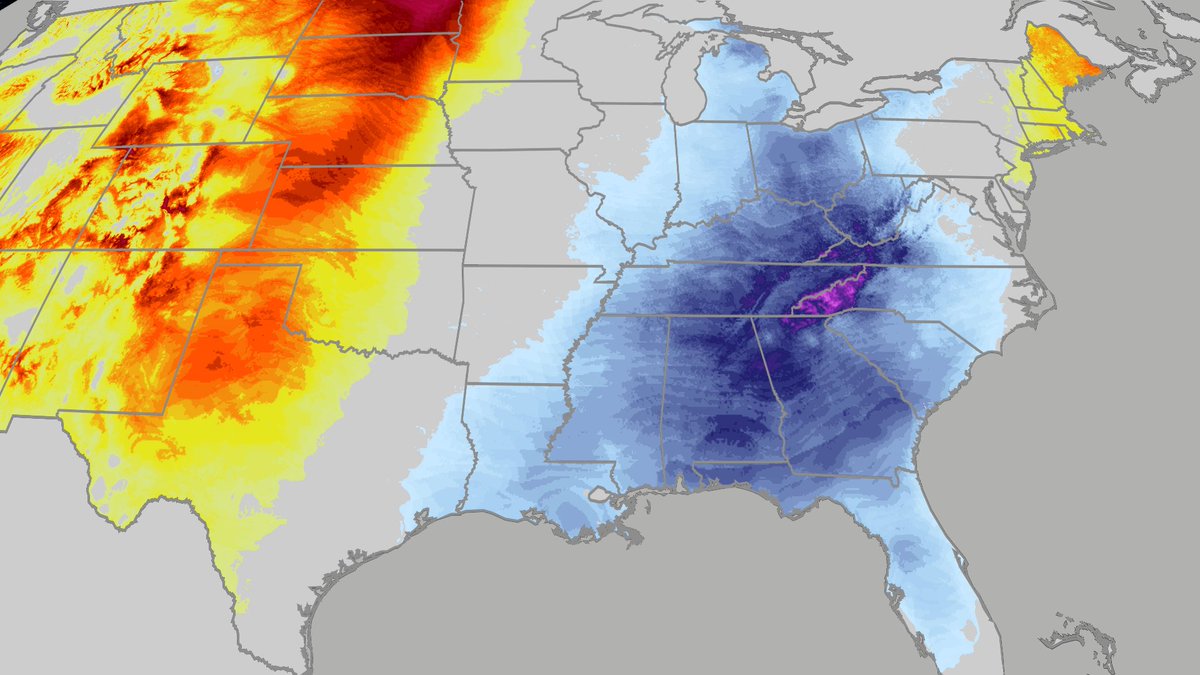
Weather patterns can shift quickly, and a change expected later this week is set to reshape temperature trends across the United States. While the western half of the country is experiencing above-average temperatures, conditions are forecast to flip in a way that sends temperatures dipping across the Eastern U.S.
This change is notable not only for the cooler readings themselves, but also for the size of the area expected to be affected. The cooler air is forecast to reach from the Southeast into the Midwest, and then expand farther into the Northeast as the week progresses.
Thursday: Widespread Below-Average Highs for More Than 100 Million People
By Thursday, below-average temperatures are expected to be widespread across the Eastern United States. Forecast details indicate that more than 100 million people could see temperatures running below average.
The expected departure from typical values is significant: highs are projected to be about 5 to 15 degrees below average in many locations. For many communities, that difference can be the line between a day that feels seasonably cool and one that feels distinctly colder than normal.
Because the temperature drop is forecast to cover such a broad region, it may be noticeable across many types of settings—large cities, smaller towns, and rural areas alike. Even when the exact numbers vary from place to place, the overall theme remains the same: a cooler-than-usual day is anticipated for a large part of the East.
How Far the Cold Air Reaches: From Florida to the Great Lakes
One of the defining features of this forecast is the geographic reach of the cold air. The cooler air mass is expected to extend from Florida all the way up to the Great Lakes.
That north-to-south span matters because it suggests the chill will not be limited to one corner of the region. Instead, it is expected to stretch across multiple climate zones, affecting both typically milder southern areas and colder northern areas at the same time.
For residents and travelers, this kind of broad reach can make planning more complicated. A single trip that crosses state lines could pass through several areas experiencing the same overall cool trend, even if local highs differ.
City Forecast Snapshots: Mid 30s in Parts of the South, Mid 20s in the North
Specific city temperature expectations help illustrate what “below average” may look like on the ground. In parts of the South, Atlanta, Nashville, and Birmingham are expected to see temperatures in the mid 30s.
Farther north, Pittsburgh and Chicago are expected to see temperatures in the mid 20s. These readings underscore the reach of the colder air, with chilly conditions expected across both southern and northern portions of the Eastern U.S.
While these are only selected examples, they provide a practical sense of the range of temperatures anticipated. They also highlight how the same cold push can translate into different day-to-day impacts depending on location.
Friday: Cooler Air Expands Into the Northeast
The cooler pattern is not expected to stop on Thursday. By Friday, the cold air is forecast to expand into the Northeast.
This timing suggests that some areas may experience the cooler conditions first, with others seeing the shift a day later. For people in the Northeast, Friday may be the day when the pattern change becomes most evident.
As the cold air spreads, it can create a sense of a region-wide transition, with more communities experiencing below-average highs as the week moves forward.
What “5 to 15 Degrees Below Average” Can Mean in Practice
Forecasts that reference temperatures being 5 to 15 degrees below average are describing a departure from what is typical for that location and time of year. Even without focusing on exact normals, this range is enough to change how a day feels and how people prepare for it.
In many places, a 5-degree drop may be noticeable, while a 10- to 15-degree drop can feel substantial—especially when it occurs after a stretch of milder weather. The forecasted pattern flip implies that the change could be felt relatively quickly across the East.
Because the expected below-average highs are projected over a broad area, the “feel” of the cold may be a shared experience across many cities, even if the actual temperatures vary from the mid 30s in some locations to the mid 20s in others.
Regional Contrast: Warmer West, Cooler East
The forecast also highlights a clear contrast across the country. While the western half of the country experiences above-average temperatures, the Eastern U.S. is expected to turn cooler later this week.
This kind of split pattern can shape national weather conversations, as different regions experience very different conditions at the same time. It can also affect decisions for people traveling between regions, since the temperature difference may be noticeable when moving from one side of the country to the other.
Key Takeaways
A pattern flip is expected to bring temperatures dipping across the Eastern U.S. later this week.
On Thursday, more than 100 million people could see below-average temperatures.
Highs are expected to run about 5 to 15 degrees below average in many areas.
The cold air is forecast to extend from Florida to the Great Lakes.
Atlanta, Nashville, and Birmingham are expected to see temperatures in the mid 30s.
Pittsburgh and Chicago are expected to see temperatures in the mid 20s.
By Friday, the cold air is forecast to expand into the Northeast.
Checking Your Local Outlook
Even within a broad regional forecast, local conditions can vary. The overall message is that below-average temperatures are expected to spread across the East, but the exact high temperatures will depend on where you are located.
As the cooler air moves from Florida to the Great Lakes and then expands into the Northeast, different cities will feel the change at slightly different times. Watching how the forecast evolves for your specific area can help you understand when the cooler conditions are most likely to arrive and how pronounced they may be.
Conclusion: A Noticeable Cooldown for a Large Part of the East
The late-week outlook points to a broad cooldown across the Eastern United States, driven by a pattern flip that contrasts with above-average warmth in the western half of the country. With more than 100 million people potentially seeing highs 5 to 15 degrees below average on Thursday, and colder air stretching from Florida to the Great Lakes before expanding into the Northeast by Friday, this is a temperature shift expected to be widely felt.
From mid 30s in cities such as Atlanta, Nashville, and Birmingham to mid 20s in places like Pittsburgh and Chicago, the forecast provides a clear snapshot of a colder-than-usual stretch for many communities. As the week progresses, the expansion of the cooler air into the Northeast will further broaden the impact, reinforcing the theme of below-average temperatures across much of the East.