
Exploring Japan’s Destinations: A Practical Guide to Where to Visit
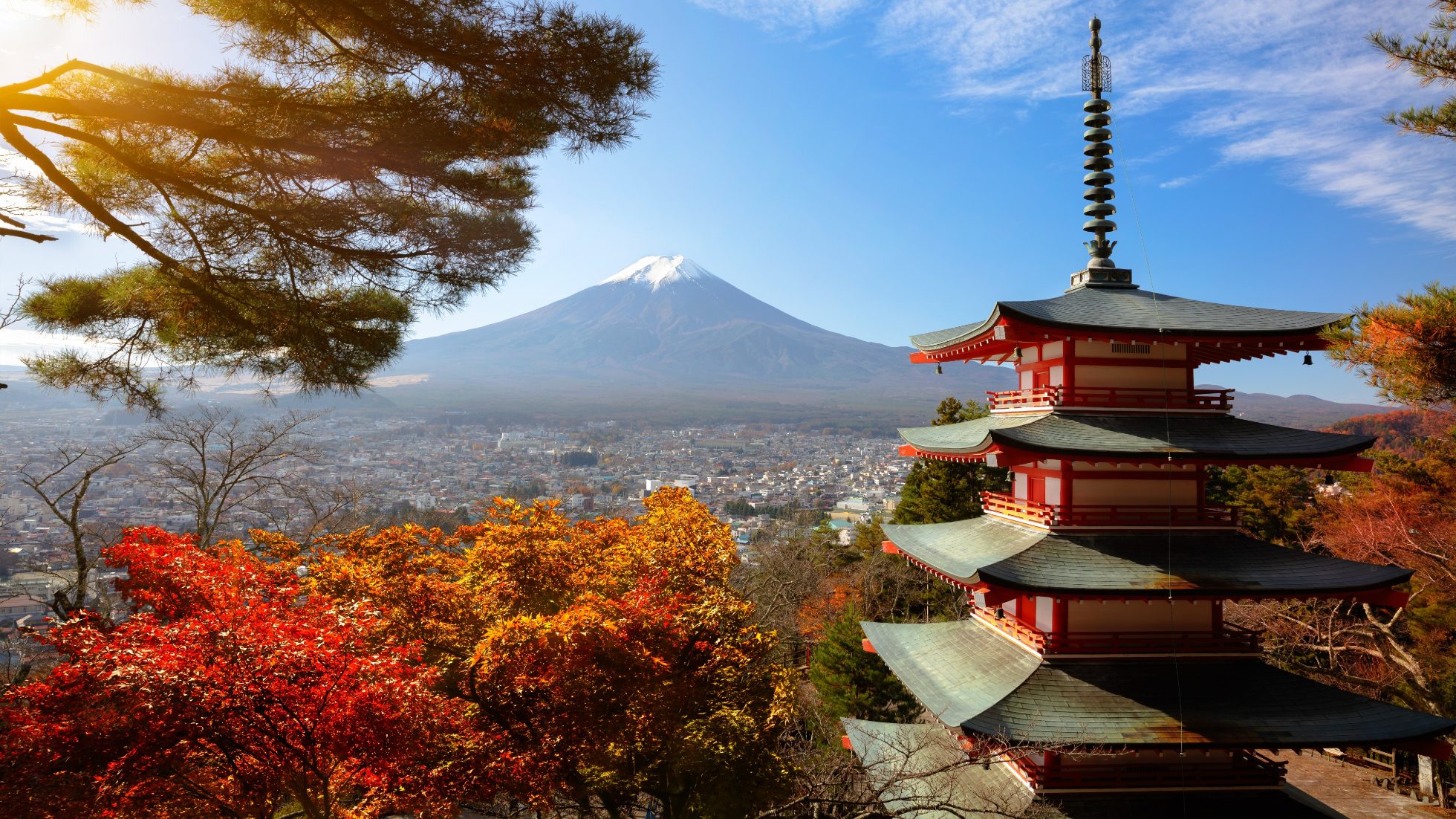
Destinations in Japan: Using a Map to Plan What to See
Japan offers a wide range of destinations and travel highlights, and one of the most practical ways to begin planning is to start with a map. A Japan map helps you visualize where different places are located, how regions relate to one another, and how you might connect multiple stops into a single itinerary. Whether your goal is to focus on a single area or to explore several parts of the country, mapping out destinations is a straightforward way to turn broad travel ideas into a workable plan.
This guide is designed as a comprehensive overview of where to visit in Japan, with an emphasis on exploring destinations and identifying travel highlights. Rather than treating Japan as a single, uniform experience, a map-based approach encourages you to think in terms of distinct places—each with its own appeal—and to decide what makes the most sense for your time, interests, and preferred pace of travel.
Why a Japan Map Matters for Travel Planning
A map is more than a reference image; it is a planning tool. When you explore Japan’s destinations through a map, you can quickly understand the geography of your trip: where your starting point might be, how far apart key destinations are, and which areas you might group together. This is especially helpful when you are trying to balance different travel highlights—such as major destinations you feel you should see and smaller stops that fit your personal interests.
Using a map also helps you avoid planning conflicts. Instead of selecting destinations in isolation, you can look at them in context, making it easier to build a route that feels coherent. This can be useful whether you are aiming for a compact itinerary focused on a few destinations or a broader trip that covers multiple travel highlights across Japan.
Exploring Japan’s Destinations: A Structured Way to Choose Where to Visit
Japan’s destinations can be approached in several ways, and a comprehensive guide typically supports more than one planning style. Some travelers begin with a list of travel highlights and then use a map to see how they connect. Others start by exploring the map first, letting geography guide their choices. Either approach can work, and both can be combined.
To keep your planning organized, it can help to think in steps: first explore the destinations available to you, then identify the travel highlights that matter most, and finally use the map to shape a realistic route. This method keeps your decisions grounded and makes it easier to adjust plans if needed.
What “Travel Highlights” Can Mean in a Destination Guide
In a broad guide to where to visit in Japan, “travel highlights” is a flexible phrase. It can refer to well-known destinations, notable places worth including in a plan, or simply the key points that define a trip. The main purpose of highlighting destinations is to help you narrow options and decide what to prioritize.
When you explore Japan’s destinations, you may find that travel highlights are not only about popularity. They can also be about fit—how a place aligns with your interests and how easily it integrates into your route. A map-based guide supports this kind of decision-making by letting you compare destinations side by side and consider how they work together.
Building an Itinerary Around Destinations and Geography
Once you begin exploring Japan’s destinations, the next step is turning that exploration into a travel plan. A comprehensive guide to where to visit in Japan is most useful when it helps you move from inspiration to structure. With a map, you can start to see natural groupings of destinations and think about how to connect them in a logical order.
Even without locking in every detail, it is helpful to sketch a simple itinerary framework. This might include a starting area, a few key destinations, and an approximate sequence for visiting them. From there, you can refine your plan based on time, travel style, and the travel highlights you want to emphasize.
Practical Tips for Using a Japan Map to Explore Destinations
Start broad, then narrow down: Begin by scanning the map to get a sense of the overall layout of Japan’s destinations, then focus on the areas that match your interests.
Identify your must-visit highlights: Choose a small set of travel highlights you most want to include, then use the map to see which destinations pair well together.
Group nearby destinations: A map makes it easier to cluster destinations in the same general area, which can support a smoother travel plan.
Keep your route coherent: Instead of jumping between far-apart points, use the map to create a sequence that feels connected and manageable.
Leave room for flexibility: A comprehensive guide can help you identify options, but a map-based plan is easiest to adjust when you keep some space for changes.
How to Use This Guide When Deciding Where to Visit in Japan
This guide is intended to support exploration. If you are unsure where to visit in Japan, begin by reviewing the destinations available to you and noting which travel highlights stand out. Then return to the map and consider how those destinations could fit into a single trip. The goal is not to select everything, but to create a plan that matches your priorities.
For many travelers, the most effective approach is to treat the map as a starting point and the destination list as a set of options. Together, they provide a comprehensive way to explore Japan’s destinations and shape an itinerary that feels both exciting and practical.
Summary: A Map-First Approach to Japan’s Destinations
Exploring Japan’s destinations is easier when you can see them in context. A Japan map helps you compare places, understand how they relate geographically, and build a plan around travel highlights that matter to you. By using a comprehensive guide to where to visit in Japan—paired with a clear map—you can move from general curiosity to a structured travel outline that supports a more confident trip-planning process.