
A Messy Late-Winter Pattern Persists Across the North This Week
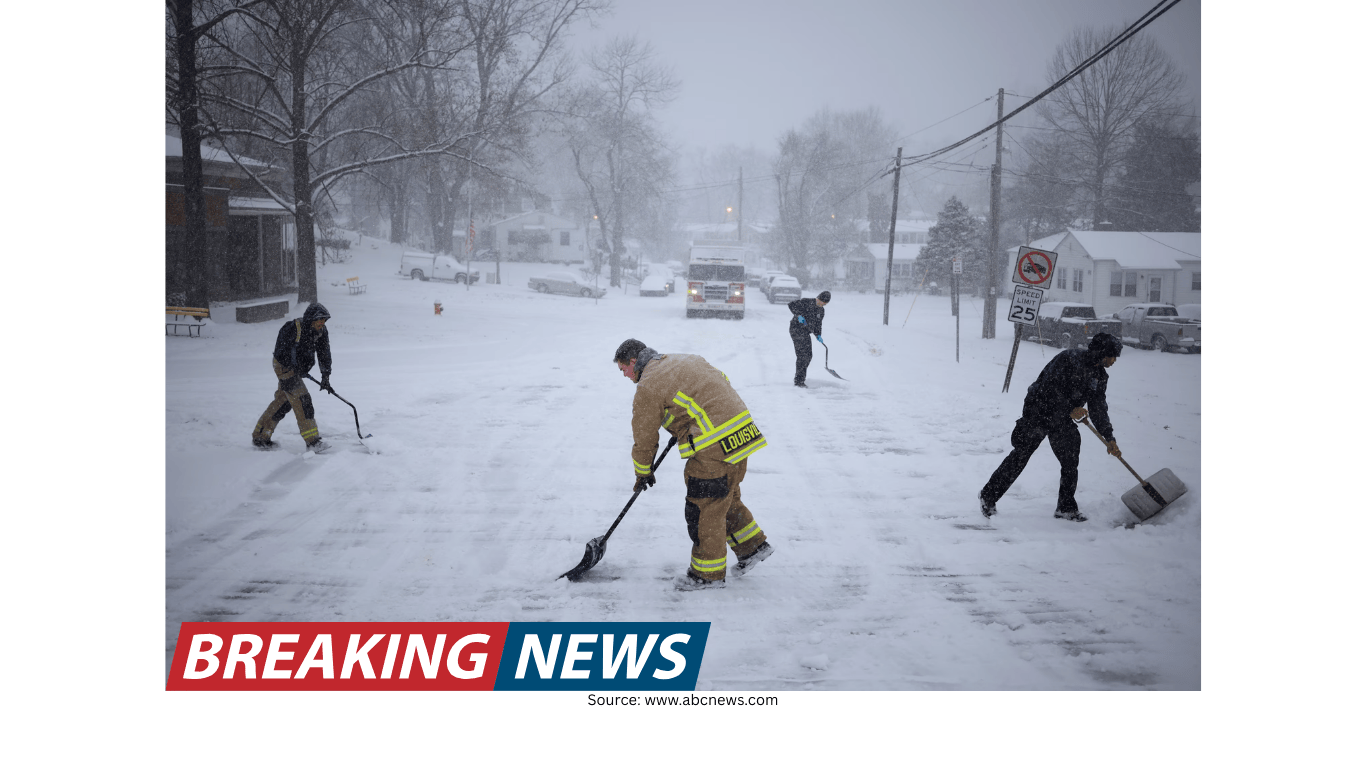
Winter holds on in the North as the South warms up
As the week unfolds, the weather story across the United States is split in two. Many communities across the South are enjoying warmer temperatures, a reminder that seasonal transitions are underway. But farther north, winter is not done yet. A messy late-winter setup is expected to bring periods of light snow and the chance of ice across several regions, with impacts that may be felt most acutely during the morning and evening commute.
This kind of pattern can be especially disruptive not because it produces the deepest snow totals, but because it can deliver a combination of precipitation types and timing that complicates travel. Even a thin layer of ice, or a brief burst of snow at the wrong time of day, can create outsized problems on roads and sidewalks. For residents and travelers across the northern tier, the key theme this week is to stay alert for changing conditions.
Today’s focus: light snow and possible ice from the Ohio Valley to the Appalachians
Near-term concerns center on a corridor stretching from the Ohio Valley through the Appalachians. In these areas, light snow is possible, and there is also a chance of ice. The risk extends beyond the higher elevations; parts of the mid-Atlantic may also see wintry precipitation today.
Because the forecast includes both snow and the potential for icing, the practical concern is not only accumulation but also surface conditions. Light snow can reduce visibility and create slick spots, while ice can make untreated roads and bridges hazardous. The combination can be particularly problematic in areas where temperatures hover near freezing, allowing precipitation to switch between snow and freezing rain or to refreeze after melting.
For commuters, this setup could mean slower travel, more cautious driving, and possible delays. Even when precipitation is light, it can still create trouble during peak traffic periods, when roadway congestion increases the likelihood of minor incidents and backups.
Why “light” winter weather can still be a big deal
It is easy to underestimate a forecast that emphasizes light snow or a “chance” of ice. Yet these are often the events that catch people off guard. A small amount of snow can quickly compact into a slick layer, especially on cold pavement. Ice, meanwhile, does not need to be thick to be dangerous. Thin glazing on bridges, overpasses, and shaded roads can be difficult to see until it is too late.
Another challenge is that wintry precipitation can vary sharply over short distances. One neighborhood may see mostly light snow, while another just a few miles away experiences a brief period of icing. Elevation changes in and around the Appalachians can also influence precipitation type, making localized differences more likely.
In short, the impacts depend less on dramatic totals and more on timing, temperature, and how quickly conditions change. That is why a messy winter setup can be disruptive even when the headline is “light snow.”
Mid-Atlantic impacts: a reminder that winter can linger
Parts of the mid-Atlantic are included in today’s wintry outlook, with light snow and the chance of ice possible. For a region that often experiences a wide range of winter outcomes—from cold rain to snow to ice—this is a familiar but still challenging scenario.
In practical terms, the mid-Atlantic can be especially sensitive to marginal temperatures. When readings sit near the freezing mark, small shifts can determine whether precipitation falls as rain, snow, or freezing rain. That matters for travel conditions and for how quickly roads become slick.
For those with errands, appointments, or travel plans, the best approach is to anticipate variability. Conditions may change during the day, and impacts can be uneven across the region. Even if roads look fine at the start of a trip, they can deteriorate quickly when precipitation begins or when temperatures dip.
Later this week: more snow and some ice for the Northeast and New England
While today’s concerns are focused from the Ohio Valley into the Appalachians and parts of the mid-Atlantic, the pattern does not end there. The rest of the week is expected to bring additional snow and some ice to portions of the Northeast and New England.
This signals a continued active stretch for northern states, where winter weather can arrive in waves. For the Northeast and New England, the mention of “additional snow” suggests that multiple periods of wintry weather are possible rather than a single brief event. The inclusion of “some ice” also highlights the potential for mixed precipitation, which can complicate forecasts and increase the risk of travel disruptions.
Residents in these regions are accustomed to winter storms, but late-season events can still pose challenges—especially when people are mentally shifting toward spring routines. A renewed round of snow and ice can affect not just roads, but also pedestrian travel, school schedules, and day-to-day logistics.
Commute trouble: the most likely and immediate impact
Across the areas highlighted this week, the most consistently emphasized concern is travel—particularly commuting. Light snow and the chance of ice can create a range of issues that show up quickly on busy roads:
Slower traffic: Drivers often reduce speed significantly when roads become slick or visibility drops.
Reduced traction: Snow and ice can make stopping distances longer and turns more difficult, especially on untreated surfaces.
Localized hazards: Bridges and overpasses can ice up faster than surrounding roads, creating sudden changes in traction.
Uneven conditions: Some areas may see primarily snow while others see icing, making it harder to predict what you will encounter along a route.
Even when precipitation is not heavy, these factors can combine to produce delays. For many people, the best way to reduce stress is to build in extra time and stay flexible about departure times when wintry weather is in the forecast.
What to watch: snow versus ice, and when it happens
When forecasts mention both light snow and a chance of ice, it is a signal to pay attention to details. The most important questions are often not “How much?” but “What type?” and “When?”
Snow generally creates visibility issues and slippery conditions that can be managed with plowing and treatment, depending on intensity and duration. Ice, however, can be more difficult to address quickly and can produce hazardous travel even with minimal accumulation. A brief period of icing can be enough to create widespread slick spots.
Timing is equally critical. A light event overnight can leave icy patches for the morning commute. A burst of snow during the late afternoon can snarl traffic as people head home. Because this week’s setup is described as messy, it is reasonable to expect that timing and precipitation type may vary by location.
Regional snapshot: where the wintry weather is most likely
Based on the current outlook, the week’s wintry weather concerns can be grouped into two main windows: today’s impacts farther south within the northern tier, and later-week impacts farther northeast.
Ohio Valley to the Appalachians (today): Light snow and the chance of ice, with potential travel impacts.
Parts of the mid-Atlantic (today): Light snow and possible ice in some locations, which could complicate commutes.
Northeast and New England (later this week): Additional snow and some ice expected in portions of the region.
This is a broad overview rather than a street-level forecast. Conditions can change quickly in winter setups, particularly when ice is involved. The most useful approach is to monitor the latest local forecast for your specific area as the week progresses.
Practical takeaways for travelers and daily routines
With a messy winter pattern in place, small adjustments can help reduce risk and inconvenience. The goal is not to overreact to every mention of light snow, but to recognize that even minor winter weather can cause problems when it coincides with busy travel periods.
Plan for slower travel: If you have to drive during periods of snow or potential icing, allow extra time.
Be cautious on elevated surfaces: Bridges and overpasses can become slick quickly.
Expect variability: Conditions can differ from one town to the next, especially in and near higher terrain.
Stay updated: Check the latest forecast for your area, particularly if you are traveling between regions.
These steps are especially relevant for those commuting through the Ohio Valley, the Appalachians, and parts of the mid-Atlantic today, and for those in the Northeast and New England later this week as additional snow and some ice move in.
A week that underscores the season’s transition
This week’s weather highlights a familiar late-winter reality: springlike warmth can expand across the South even as winter weather continues to affect northern areas. The contrast can be striking, but it is not unusual for the U.S. to experience these regional differences during seasonal change.
For the North, the message is straightforward. Winter is still in the picture, and the combination of light snow and possible ice can make for a messy setup—especially for travel. For the South, warmer temperatures may dominate the day-to-day experience, but the broader national pattern remains active and changeable.
As the week continues, attention will shift from today’s wintry risks in the Ohio Valley, Appalachians, and parts of the mid-Atlantic to later-week snow and ice potential in the Northeast and New England. In each case, the most important impacts are likely to be felt on roads and during commutes, where even light winter weather can create real-world disruptions.
Keeping an eye on the latest forecast for your area—and being prepared for quick changes in conditions—will be essential for navigating this lingering stretch of winter in the North.