
Investigation Underway After Distress Flares Linked to Channel Islands Wildfire
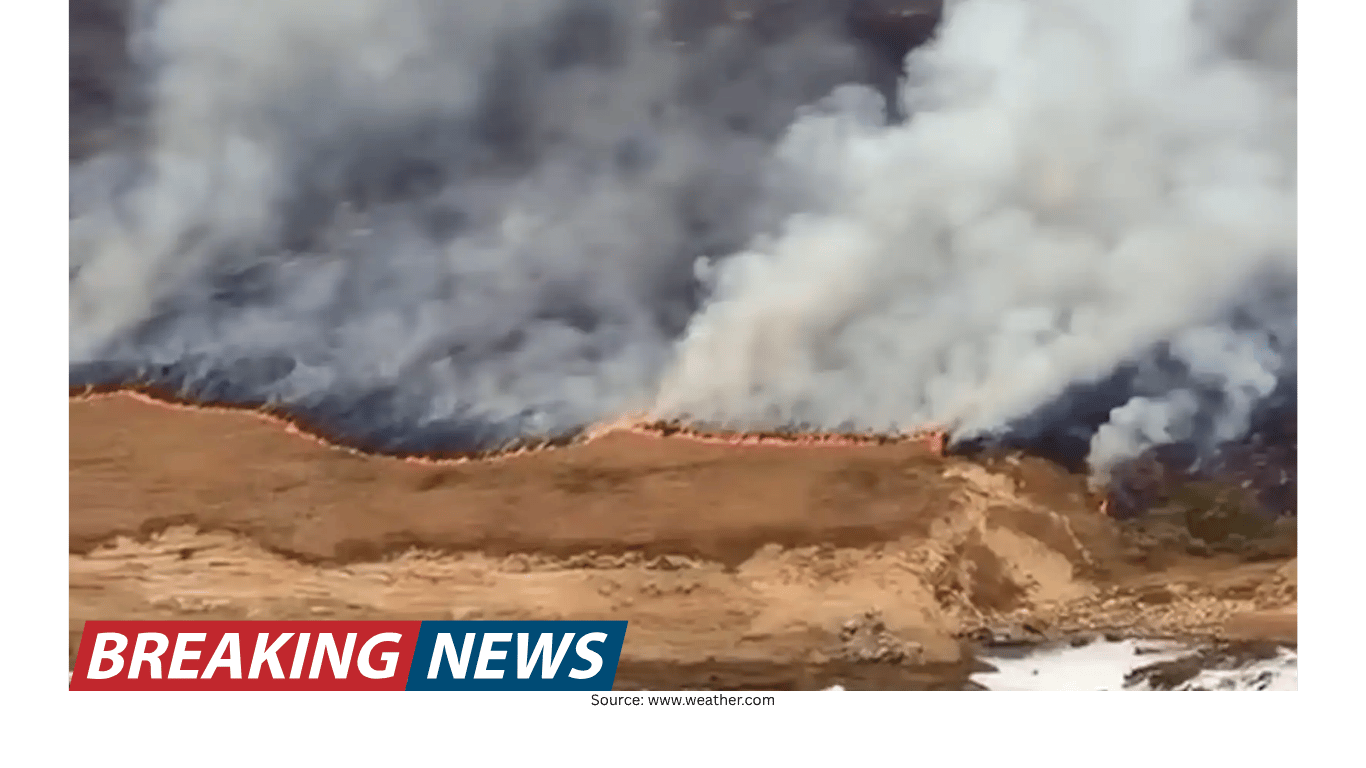
A wildfire on Santa Rosa Island, and a question about how it started
A massive wildfire burning on one of California’s Channel Islands has prompted an investigation into what sparked the blaze. While the cause has not been confirmed, details shared by the U.S. Coast Guard have pointed to a striking possibility: distress flares used by a stranded sailor may have played a role in igniting the fire.
The situation has drawn attention not only because of the scale of the fire, but also because it connects two urgent realities that can collide in remote coastal environments: the need for emergency signaling and the risk of fire in exposed landscapes. The Coast Guard’s account, paired with the ongoing fire activity on Santa Rosa Island, has put a spotlight on how quickly an emergency at sea can intersect with a disaster on land.
What investigators are examining
Authorities are still working to determine the official cause of the wildfire. At this stage, the fire’s origin remains under investigation, and no final conclusion has been announced. However, the Coast Guard’s description of events has suggested a possible link between the sailor’s distress signals and the outbreak of the blaze.
According to the details referenced, the sailor was stranded on Santa Rosa Island and used flares—commonly carried for maritime emergencies—to signal for help. The same information indicates those flares may have sparked the wildfire that later grew into a major incident on the island.
Because the investigation is ongoing, the focus remains on establishing the sequence of events and verifying whether the flares did, in fact, ignite vegetation or other fuels. Until that process is complete, the flare connection remains a significant lead rather than a confirmed cause.
The rescue that unfolded as the fire burned
The Coast Guard rescue of the stranded sailor has been described as dramatic, and coverage of the incident has highlighted the “amazing rescue” from Santa Rosa Island. The rescue itself is central to the story because it provides the context for the suspected ignition source: the sailor’s use of distress flares.
In remote island settings, flares can be a critical tool for being seen, especially when a person is stranded and needs immediate assistance. In this case, the rescue took place against the backdrop of a destructive wildfire that was burning in the sailor’s wake—an overlap that underscores how fast conditions can change when an emergency unfolds in a sensitive environment.
The available details emphasize two parallel developments: the successful extraction of the sailor and the continued spread and impact of the wildfire on the island. The rescue may be the most human element of the event, but the fire has become the larger ongoing emergency for the area.
Why distress flares can raise fire concerns
Distress flares are designed to be bright, attention-grabbing, and visible over long distances—features that make them effective for signaling. Those same characteristics can also present risks in certain environments. A flare produces intense heat and burning material, which can potentially ignite dry vegetation or other combustible surfaces if conditions allow.
The suspected connection in this incident illustrates the dilemma faced in emergencies: people in distress may need to use the tools available to be found quickly, even if those tools carry secondary hazards. On an island landscape, where access can be limited and response times may be affected by geography, the urgency to signal can be especially high.
Investigators will be looking closely at how and where the flares were used, and what conditions existed at the time. The fact that the wildfire is described as massive indicates that once ignition occurred—whatever the source—the fire found enough fuel and opportunity to expand.
Santa Rosa Island and the challenge of remote wildfire response
Santa Rosa Island is part of California’s Channel Islands, a setting that can complicate emergency response. Wildfires in remote locations can be difficult to access, and firefighting operations may face logistical hurdles that are less common on the mainland.
The incident described involves a wildfire burning on one of the islands, with the destructive fire continuing after the sailor’s rescue. That timing matters: it indicates that even after the immediate life-safety emergency was resolved, the broader environmental and operational emergency remained.
When fires burn in isolated areas, the path from ignition to large-scale incident can be swift. The investigation into the cause is therefore not merely an administrative step—it can help responders and the public understand what happened and, potentially, how similar incidents might be prevented in the future.
What is known, what is not, and why that distinction matters
At present, the key facts are limited but consequential. The wildfire is massive and destructive, it is burning on Santa Rosa Island, and its cause is under investigation. The Coast Guard’s details suggest the sailor’s distress flares may have sparked the blaze, and the sailor was rescued from the island.
What remains unknown is the official determination of cause. Investigations into wildfire origins can take time, particularly when conditions are complex and when multiple potential factors must be ruled in or out. In this case, the flare explanation is notable because it ties a human survival action to a large environmental outcome, but it still must be confirmed through the investigative process.
Maintaining that distinction—between a suggested cause and a confirmed cause—is essential for accurate public understanding. It also ensures that the story remains grounded in what has been reported: a credible lead based on Coast Guard details, not a final verdict.
How the story connects to weather and forecasting coverage
Wildfires are closely watched within weather coverage because fire behavior is influenced by environmental conditions and can change rapidly. While the available information here centers on the suspected ignition source and the rescue, the broader context is that destructive fires are dynamic events that require ongoing monitoring and updates.
Coverage of the incident has been presented alongside a note about forecasting accuracy, emphasizing that the outlet providing updates describes itself as highly accurate in forecasting based on an external assessment. That framing reflects a broader point about wildfire events: timely, reliable information is critical when conditions evolve and when communities, responders, and travelers are trying to understand what is happening.
In this case, the wildfire’s progression on Santa Rosa Island and the investigation into its cause are the core developments. The rescue is a key moment within that timeline, and the suspected role of flares is the detail that has made the story particularly striking.
Key points from the incident
A massive wildfire is burning on Santa Rosa Island, one of California’s Channel Islands.
The cause of the wildfire is under investigation.
U.S. Coast Guard details suggest a stranded sailor’s distress flares may have sparked the blaze.
The sailor was rescued from Santa Rosa Island, and the fire continued burning afterward.
What to watch for next
As the investigation continues, the most important next development will be any official findings about the wildfire’s origin. If investigators confirm that distress flares ignited the fire, it would add a sobering dimension to an already serious event, highlighting how life-saving tools can sometimes carry unintended consequences in vulnerable landscapes.
If the investigation reaches a different conclusion, the Coast Guard details will still have served a purpose by drawing attention to the circumstances surrounding the rescue and the timing of the fire’s emergence. Either way, the inquiry will help clarify the chain of events that led to a massive wildfire on Santa Rosa Island.
For now, the story remains defined by two realities unfolding together: a sailor in distress was successfully rescued, and a destructive wildfire continues to burn on the island as officials work to determine exactly how it began.