
Colorado Residents Dig Out After Late-Season Snowfall Tops Two Feet in Some Areas
A late-season storm changes the picture
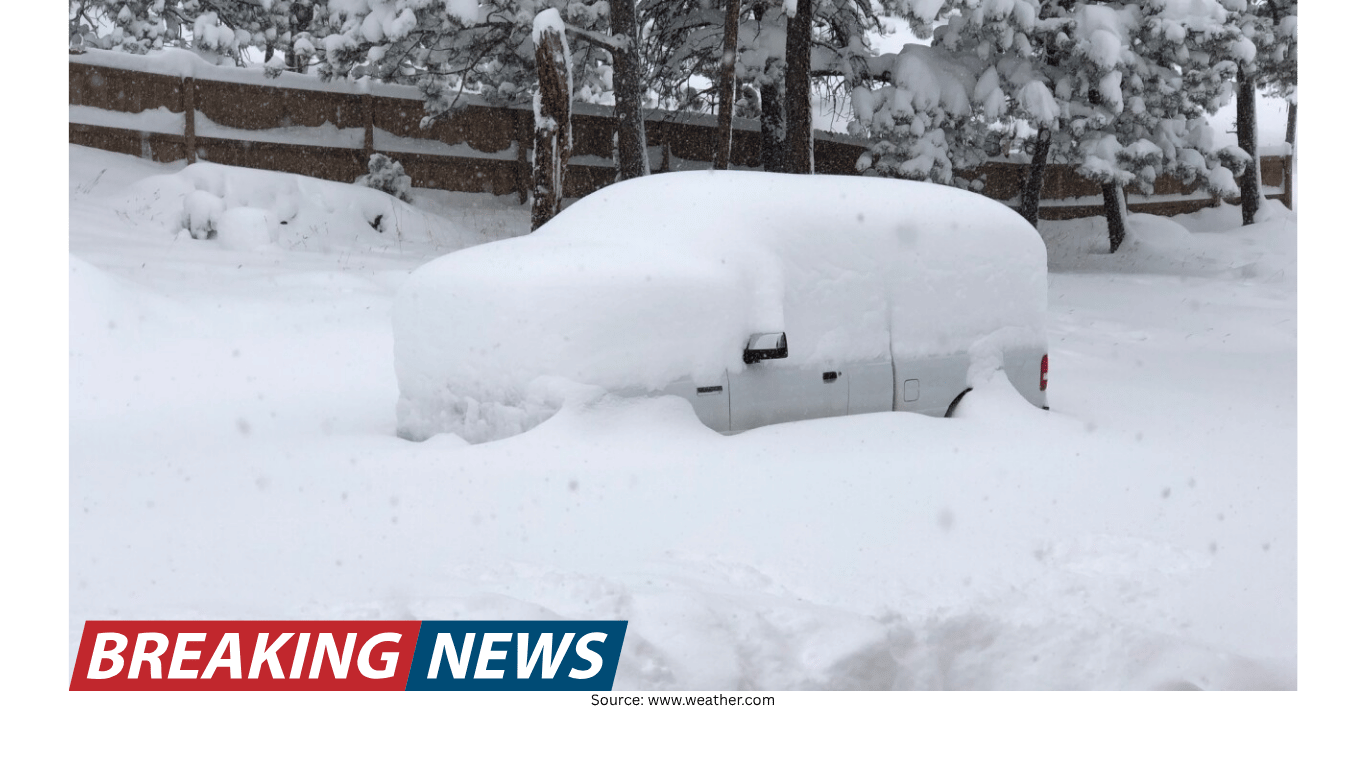
A late-season burst of winter weather left many Colorado residents digging out after a heavy snowfall that climbed past two feet in some places. The storm stood out not only for its totals, but also for its timing: it arrived after a winter that had been described as the driest in 40 years.
Across the state, residents shared videos of the conditions this week, capturing the scale of the accumulation and the practical challenge of clearing snow that deep. The footage reflected a familiar pattern in Colorado weather—rapid swings that can make a season feel settled one moment and abruptly unsettled the next—yet the contrast between an exceptionally dry winter and a sudden, high-impact snowfall made this event particularly notable.
What residents reported and shared
In the wake of the storm, Coloradans posted videos showing the aftermath: deep drifts, buried driveways, and the slow work of shoveling and clearing. While the videos varied by location, the common theme was the same—this was not a light dusting, but a heavy, late-season snowfall that demanded immediate attention.
When snow reaches the two-foot range, the experience of “digging out” becomes literal. Clearing pathways can take hours rather than minutes, and repeated passes may be needed as snow piles up faster than it can be removed. The shared clips underscored how quickly routine travel and daily errands can be disrupted when accumulation climbs to that level.
Snowfall totals: over two feet in some locations
The storm’s headline figure was its depth: more than two feet of snow in some places. That threshold is meaningful because it tends to create a different category of impacts than smaller storms. Snow at this depth can block doors, overwhelm typical residential snow-removal tools, and make even short trips difficult without significant clearing.
It also changes the way people move through their neighborhoods. Sidewalks and driveways become projects, not chores. Parking spaces disappear under packed snow. Visibility of curbs and road edges can be reduced, complicating navigation even after plows have passed.
While not every part of Colorado saw the same totals, the reports of accumulations surpassing two feet highlight the storm’s intensity in the hardest-hit areas.
Why the timing mattered: after the driest winter in 40 years
The heavy snowfall followed what had been described as the driest winter in 40 years. That context shaped how many people interpreted the storm. After a season defined by limited precipitation, a late-season surge of snow can feel both surprising and consequential, reshaping expectations for what “the end of winter” looks like.
Dry winters can influence how residents plan for the season, from how often they expect to shovel to how they prepare for travel disruptions. When a major snowfall arrives late, it can catch communities in a different rhythm—one where winter routines may have already started to wind down.
The contrast also adds to the storm’s visibility. A heavy, late-season event stands out more sharply when it follows months of relative dryness, making the accumulation feel even more dramatic than it might in a consistently snowy year.
What “digging out” looks like when snow is deep
When snow piles up to two feet or more, the immediate priority for many households is access: clearing a path to the street, opening a driveway, and making sure doors and vents are not blocked. Residents’ videos highlighted the scale of the work, showing thick layers that require lifting and moving large volumes of snow.
Deep snow also tends to compact quickly. As people walk or drive over it, the surface can become dense, making it harder to remove later. That’s one reason many people start shoveling early, even while snow is still falling, to prevent the buildup from becoming unmanageable.
In neighborhoods where snow is piled along roadsides, the act of clearing can become a second challenge: once the driveway is open, the snow has to go somewhere. With heavy totals, the available space for piling snow can run out fast, especially in areas with smaller yards or tighter streets.
How residents experience a heavy late-season storm
A late-season storm can feel different from midwinter snow. People may have already shifted into spring routines, with different expectations for commuting, school schedules, and outdoor plans. When heavy snowfall arrives at that stage, the disruption can feel sharper because it interrupts a transition that many assume is already underway.
Residents’ shared videos suggest a mix of reactions: practical documentation of the amount of snow, and the implicit recognition that this was not a typical late-season event. The visuals of deep accumulation served as a quick, clear way to communicate what numbers alone can’t fully convey.
Even without detailed forecasts in the shared material, the widespread impulse to record and post the conditions indicates that many people saw the storm as noteworthy—something unusual enough to capture and share.
What the storm illustrates about Colorado weather variability
This event offered a snapshot of Colorado’s capacity for sharp weather shifts. A winter described as the driest in 40 years sets one kind of narrative: limited snowfall, reduced need for repeated clearing, and fewer day-to-day interruptions from winter storms. A late-season snowfall exceeding two feet in some areas tells a different story, one of sudden intensity.
Both realities can coexist in the same season. A dry winter does not rule out a major storm, and a major storm does not necessarily redefine the entire season. But when an intense event arrives late, it can become one of the most memorable moments of the year precisely because it contrasts so strongly with what came before.
The residents’ videos functioned as on-the-ground evidence of that variability—an immediate record of conditions that can change quickly across geography and time.
Practical takeaways from a deep-snow event
While the shared information focuses on the snowfall and the community response, the situation highlights several practical realities of heavy snow that many residents confront in real time. Deep accumulation tends to create a sequence of tasks that build on one another, and the order matters when totals are high.
Access first: Clearing a safe path to doors and essential routes becomes the immediate priority when snow is deep.
Repeated clearing helps: When accumulation is heavy, removing snow in stages can be easier than waiting for the full total.
Space becomes a limitation: With two feet or more, where to put the snow can be as challenging as removing it.
Timing affects disruption: Late-season storms can be more disruptive because routines may already be shifting away from winter preparedness.
These points are not unique to Colorado, but the combination of a very dry winter followed by a heavy late-season storm underscores how quickly conditions can change and how important it is to be ready for a range of possibilities.
A storm that stood out in a dry season
In many years, a two-foot snowfall would be a major story on its own. In this case, it was made even more striking by its arrival after what had been described as the driest winter in four decades. That contrast helped explain why residents documented the storm so actively and why the videos resonated: they showed a sudden return of winter intensity at a time when many people may have expected the season’s harshest conditions to be behind them.
The late-season snowfall did not simply add another snowy day to the calendar. For the areas that exceeded two feet, it created immediate, tangible impacts—deep accumulation, blocked routes, and the physical work of digging out. The shared footage captured that reality in a straightforward way: this was heavy snow, and it demanded a response.
What comes next for residents after the digging out
After a storm of this magnitude, the aftermath often extends beyond the initial clearing. Snow piles remain, pathways need maintenance, and daily routines can take time to normalize. Even once primary routes are opened, the work of managing deep snow can continue as people widen cleared areas, move piles, and restore access to parking and walkways.
For many Colorado residents, the week’s videos may become a record of a standout moment in an otherwise unusually dry season—a reminder that even after long stretches of limited precipitation, a single late-season storm can still deliver winter in full force.