
Travel Weather Outlook: Tracking Storm Delays in the East and Unusual Warmth in the West
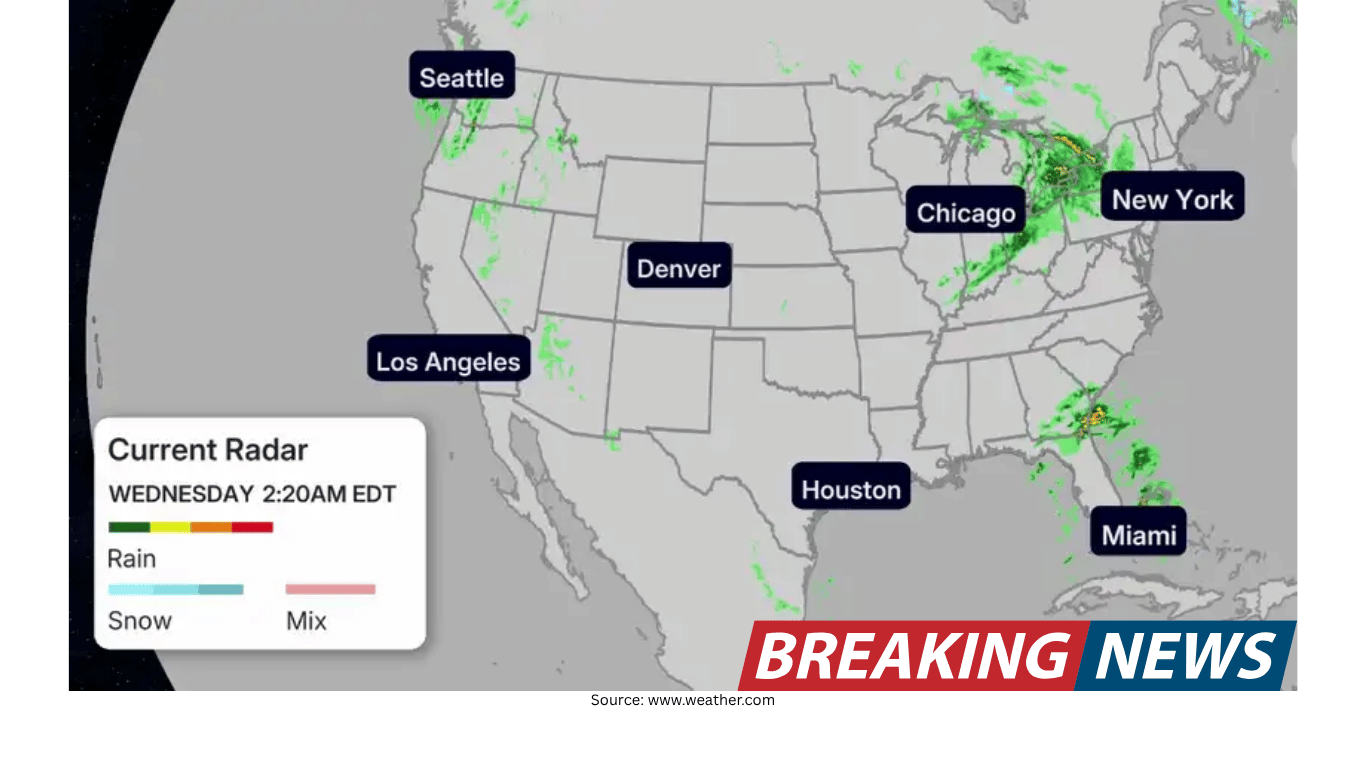
A travel-focused forecast for the next several days
Anyone traveling in the next few days should be prepared for a split weather pattern across the United States: a higher chance of weather-related delays in parts of the Eastern half of the country, and record warmth dominating the West. That contrast matters for planning because it affects not only what you pack, but also how likely you are to deal with slowdowns at airports, wet road conditions, and shifting outdoor comfort levels.
Across the East, the main concern is a low pressure system and its cold front progressing eastward. This setup is expected to bring rain and thunderstorms from New England to the Carolinas by Wednesday night. In practical terms, that means a broad corridor of active weather that can disrupt travel at multiple points along a typical Northeast-to-Mid-Atlantic itinerary.
Meanwhile, other parts of the country face their own, more localized issues. Florida continues to see showers and storms through Wednesday, and the Pacific Northwest is dealing with scattered showers that are expected to last through the week. Even when these patterns are not severe, they can still influence timing, comfort and safety—especially for travelers juggling tight connections, long drives, or outdoor plans.
Eastern U.S.: Cold front brings rain and storms by Wednesday night
The most notable travel impacts over the next few days are expected across the Eastern half of the country. A low pressure system and its cold front will shift east on Wednesday, spreading rain and storms from New England down to the Carolinas by Wednesday night. Because this is a wide geographic swath, travelers should think in terms of a moving zone of potential disruption rather than a single isolated trouble spot.
If you will be traveling Wednesday night, it is worth paying special attention to conditions around major Northeast hubs. Cities such as New York and Washington, D.C. are specifically highlighted as locations where weather could contribute to delays. Thunderstorms and steady rain can slow airport operations in several ways, including reduced arrival rates and slower ground handling. Even when storms are not directly overhead at the moment of departure, the broader network effect can ripple outward, affecting inbound aircraft and connecting itineraries.
For road travelers, rain and storms can also complicate evening commutes and long-distance drives. Heavy downpours can reduce visibility, and the timing—Wednesday night—coincides with a period when many travelers are either starting trips after work or arriving at their destination.
Northeast: Showers linger into Thursday and Friday
The wet pattern does not end immediately after the cold front passes. Showers are expected to remain in the Northeast on Thursday and Friday. For travelers, this matters because lingering precipitation can keep runways, roadways and transit corridors operating under less-than-ideal conditions for more than just a single day.
Occasional flight delays are possible during this period, and wet commutes are also a concern. The term “occasional” is important: it suggests that not every flight or every hour will be disrupted, but that the risk is elevated enough to warrant planning buffers. If your schedule is tight, consider building in extra time for airport arrivals, connections and ground transportation.
For those moving around cities in the Northeast—whether commuting between meetings, visiting attractions, or transferring between airports and downtown—persistent showers can influence both comfort and timing. Rain gear, flexible outdoor plans and a willingness to adjust timing can help reduce stress when precipitation lingers across multiple days.
Florida: Continued showers and storms through Wednesday
Florida remains active with showers and storms through Wednesday. While the impacts are described as potentially “minor” at a few airports, even minor delays can be meaningful for travelers, particularly when they cascade into missed connections or late arrivals.
For those traveling by road, the bigger immediate concern may be heavy downpours. Vacation travel often involves driving between beaches, parks, hotels and airports, and sudden bursts of rain can slow traffic and make driving more demanding. If you are planning day trips or outdoor activities, it may help to check timing and be ready to pause plans during heavier rain.
Because Florida’s weather can vary significantly over short distances, travelers may experience very different conditions within the same day depending on the specific route or destination. The key takeaway is not necessarily to cancel plans, but to be prepared for interruptions and to allow extra time for driving and airport procedures.
Pacific Northwest: Scattered showers persist through the week
In the Pacific Northwest, scattered showers are expected to impact the region through the week. While scattered showers do not always cause major disruptions, they can still affect travel comfort and visibility, especially for those spending time outdoors or driving longer distances.
For visitors, this kind of pattern often means conditions can change quickly: a break in the rain may be followed by another round of showers. Travelers should plan for damp conditions and keep an eye on short-term updates if they have outdoor activities scheduled. For drivers, wet roads can extend travel times, particularly in areas with heavier traffic or complex terrain.
West: Record warmth dominates
While many travelers in the East are watching for rain and thunderstorms, the West is dealing with a very different headline: record warmth. This contrast is relevant for anyone traveling cross-country, because it can create major differences in daily comfort and hydration needs, and it can influence how you plan your time outside.
Record warmth can feel pleasant for sightseeing, but it also means travelers should think about sun exposure and pacing—especially if their itinerary includes long walks, outdoor lines, or daytime activities. If your trip involves moving between regions, the shift from stormy and cooler conditions in the East to unusually warm conditions in the West can be more pronounced than expected, making packing choices more complicated.
Jet stream: How upper-level winds can change flight times
Beyond storms and rain, upper-level winds also play a role in travel—particularly for flights. In general, aircraft tend to travel faster eastward with the jet stream and slower when flying westward against strong headwinds in the jet stream. This is a routine feature of air travel, but it becomes especially noticeable when travelers compare flight durations in opposite directions on similar routes.
The jet stream is commonly depicted on maps as ribbons of faster-moving air shaded in purples, pinks and whites. For travelers, the practical value of viewing a jet stream map is understanding why a westbound flight might take longer than expected, or why an eastbound flight may arrive earlier than the scheduled block time. While the jet stream alone is not necessarily a cause of delays, it can influence timing and fuel planning and can interact with storm systems that also tend to ride along or near these fast-moving upper-level winds.
If you are booking flights or coordinating pickups and drop-offs, it can be helpful to remember this directional difference. Eastbound flights often benefit from tailwinds, while westbound flights can face headwinds that lengthen time in the air.
Health and comfort: Pollen can affect outdoor plans
Travel planning is not only about storms and temperatures. Seasonal factors can also influence how a trip feels, particularly for people sensitive to allergens. Trees and grasses are in full swing in many areas, which means pollen sufferers may want to account for that in outdoor plans.
For travelers with allergies, this can affect everything from a hike to a city walking tour. Even if the weather is otherwise favorable, high pollen levels can make outdoor time less comfortable. For that reason, it can be useful to check pollen maps and consider how far north pollen has spread, especially if you are traveling between regions or planning multiple outdoor days.
Because pollen impacts can vary day to day and place to place, travelers may find it helpful to remain flexible with outdoor scheduling—choosing indoor alternatives when symptoms are more pronounced or when conditions are less comfortable.
What to watch, day by day
Weather details can shift, but the broad timeline described here offers a useful structure for planning. The key period for the East is Wednesday into Wednesday night as the cold front and associated storms move from New England toward the Carolinas. After that, the Northeast remains unsettled with showers continuing into Thursday and Friday.
Florida’s shower and storm chances continue through Wednesday, and the Pacific Northwest remains under scattered showers through the week. At the same time, the West continues to experience record warmth, which may be a factor for travelers expecting more typical seasonal temperatures.
In addition to precipitation and temperature, travelers should keep in mind that flight times can be influenced by the jet stream, with faster eastbound travel and slower westbound travel when strong headwinds are present.
Practical travel planning tips based on the forecast
Build extra time into itineraries in the East. With rain and storms expected from New England to the Carolinas by Wednesday night, and showers lingering in the Northeast Thursday and Friday, schedule buffers can help reduce the impact of occasional delays.
Pay attention to major Northeast hubs midweek. If your route involves airports in places such as New York or Washington, D.C. on Wednesday night, be prepared for weather-related slowdowns.
In Florida, plan around downpours. Showers and storms through Wednesday could mean heavy rain at times. Allow extra driving time and be ready for short interruptions to outdoor plans.
In the Pacific Northwest, expect on-and-off wet weather. Scattered showers through the week can affect outdoor comfort and road conditions, even if rain is not constant.
Account for record warmth in the West. If you are traveling into or within the West, prepare for unusually warm conditions compared with what you might expect.
Remember jet stream effects on flight durations. Eastbound flights can be faster with tailwinds, while westbound flights may take longer against headwinds.
Consider pollen if you have allergies. With trees and grasses active in many areas, pollen can influence outdoor activities and overall comfort.
Using maps and trackers to stay ahead of disruptions
When multiple weather factors are in play—storm systems, lingering showers, scattered coastal rain, seasonal pollen and upper-level winds—maps can help travelers make more informed decisions. A storm track map can clarify where the most active weather is expected, while precipitation maps can show whether showers are widespread or more scattered. Jet stream visuals can provide context for flight duration differences, and pollen maps can help travelers anticipate comfort issues during outdoor time.
The key is to use these tools as a way to refine timing and expectations rather than to seek perfect certainty. For example, if storms are expected in a corridor that includes your departure or arrival city, it may be wise to anticipate a slower travel day even if conditions look calm at the moment you check in. Similarly, if showers are lingering for multiple days in the Northeast, travelers may want to keep rain gear handy and plan flexible windows for outdoor activities.
Bottom line
Over the next few days, the greatest risk of weather-related travel delays is concentrated across the Eastern half of the country, where a low pressure system and cold front will push rain and storms from New England to the Carolinas by Wednesday night, followed by lingering showers in the Northeast Thursday and Friday. Florida continues to see showers and storms through Wednesday, and the Pacific Northwest should expect scattered showers through the week. Meanwhile, record warmth dominates the West. Add in seasonal pollen and the jet stream’s effect on flight times, and it becomes clear why a quick check of conditions and maps can be a valuable part of trip planning.