
Juneau Faces Avalanche and Flood Concerns as Rain Falls on Deep Snowpack
A city under pressure from snow, rain, and runoff
Juneau, Alaska, entered the new year with an unusually heavy snow burden and then faced a new challenge: rain arriving on top of an already deep snowpack. The combination has raised concerns about avalanches, flooding, and structural strain on buildings. Officials have urged residents to take precautions while crews and volunteers work to manage the accumulating impacts.
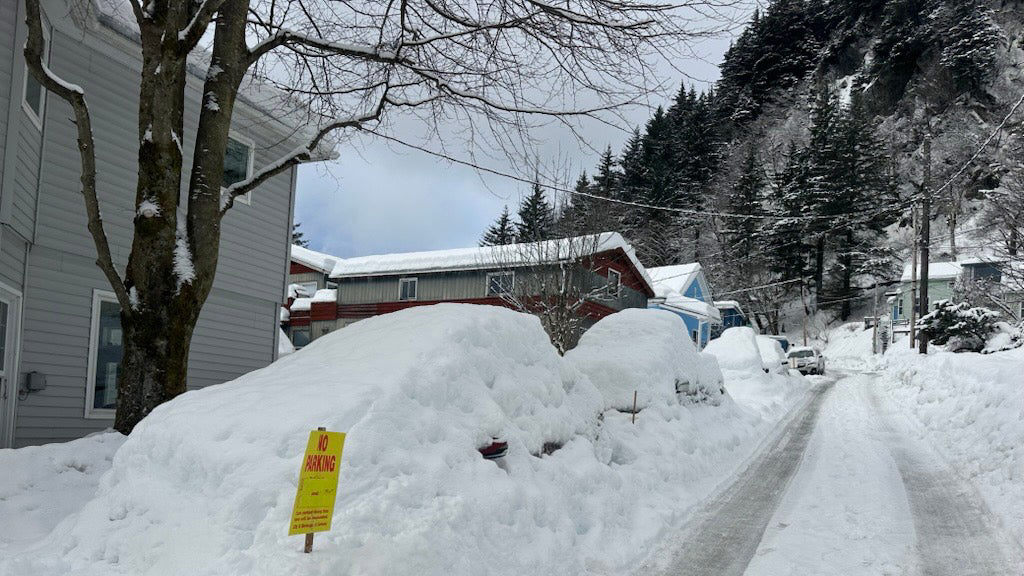
In the days leading up to the rain, Juneau had been racing to dig out from a fresh round of heavy snow. More than 30 inches of snow was already on the ground after back-to-back storms, and teams of workers and volunteers were shoveling rooftops, digging out vehicles, addressing sunken boats, and hauling out truckloads of snow. Even with that effort, the city has been running out of places to put all the snow.
Evacuation advisory followed by small avalanches
Two small avalanches were triggered above Juneau on Friday, only an hour after officials issued an evacuation advisory. At a news conference later that day, officials said the small slides were a net good for the community because they reduced the danger of potentially larger avalanches to come. No injuries were reported.
While the slides were described as small, the timing underscored the sensitivity of the snowpack and the importance of public warnings. Officials’ comments suggested that releasing some unstable snow could help reduce the likelihood of a larger, more dangerous event later, particularly as weather conditions shift.
Closures across the community
The situation has affected daily life across Juneau. Schools and city buildings were closed Friday, reflecting both the hazards posed by the weather and the need to keep roads and facilities clear while crews work.
Officials also encouraged residents to stay off the roads as crews prepared for melting snow and rain. With heavy snow already in place and additional precipitation expected, keeping travel to a minimum can help emergency and public works teams operate more effectively.
Flood watches and the added risk of heavy rain
Flood watches were in effect across the Alaska Panhandle into Saturday night. The National Weather Service said heavy rain was possible. Rain arriving on deep snow can quickly change conditions on the ground, especially when drainage systems are blocked by snow and ice.
The city has already seen signs of flooding as melting snow begins to move into streets and low-lying areas. In a social media post, the city shared video showing a bus navigating through a flooded street. This early flooding illustrates the challenge of managing runoff when snowpack begins to melt and additional rain falls on top of it.
Managing snow removal when space runs out
One of the practical problems Juneau has faced is what to do with the sheer volume of snow. With limited space to pile it, some snow was being shoved off piers and ports into the Gastineau Channel after Alaska’s Department of Energy gave special authorization for clean, freshly fallen snow to be dumped in open water.
This step highlights the scale of the cleanup. Snow removal is not only about clearing streets and access points; it also becomes a logistical issue when storage areas fill up and continued storms add more accumulation.
Disaster declarations and requests for assistance
The severity of the conditions prompted official emergency actions. Gov. Mike Dunleavy declared a state disaster Wednesday, one day after Juneau officials announced an emergency disaster declaration and requested state assistance.
These declarations reflect the cumulative impacts of the storms and the ongoing risks posed by the weather pattern. They also indicate that local resources may need reinforcement as the community manages snow removal, potential flooding, and avalanche concerns.
Record-setting snowfall in late December
The current challenges follow record snow in Juneau during Christmas and into the New Year. December was the second snowiest month on record in Juneau, with records dating back to 1948.
Juneau picked up 82 inches of snowfall—almost 7 feet—more than half of which fell in just five days from Dec. 27 to Dec. 31. That amount is described as almost an entire year’s worth of snow compressed into less than a week.
The intensity of the snowfall had immediate consequences. The crushing weight sank boats and caused roofs to cave in on multiple homes and buildings. On New Year’s Eve, 50 inches of snow at the airport set an all-time snow depth record.
Why rain on snow increases structural concerns
With deep snow still in place, a soaking rain adds a new layer of risk. Senior meteorologist Jonathan Erdman explained that rain falling on top of the snowpack makes it significantly heavier. That added weight is expected to increase the likelihood of more roof collapses over the next few days, especially on flat roofs.
This concern builds on the damage already seen during the late-December storms, when the weight of snow contributed to roofs caving in. Rain can soak into existing snow, increasing density and load even if the snow depth does not appear to increase dramatically. For buildings already stressed by heavy accumulation, additional weight can be critical.
Steps officials urged residents to take
City officials released maps of storm drains and encouraged residents to help clear them to prevent flooding. Keeping storm drains open can help water move away from streets and properties as snow melts and rain falls.
Officials also encouraged residents to stay off the roads as crews work to prepare for melting snow and rain. With snow removal ongoing and flooding possible, fewer vehicles on the road can reduce hazards and allow crews to focus on critical work.
Key conditions shaping the next phase
Juneau’s situation is being shaped by several interacting factors: a deep snowpack from back-to-back storms, limited space for snow storage, the onset of melting and runoff, and the prospect of heavy rain. These conditions have already led to closures, emergency declarations, and active public messaging about safety.
As the rain arrives, the city’s immediate priorities remain focused on reducing avalanche risk where possible, preventing flooding by keeping drainage routes open, and addressing the structural dangers associated with heavier snow loads. The small avalanches triggered after the evacuation advisory occurred without injuries, but they serve as a reminder that conditions can change quickly in a rain-on-snow pattern.
What residents are dealing with right now
Deep snow totals following a historic late-December stretch, including 82 inches in December and a record 50-inch snow depth at the airport on New Year’s Eve.
Ongoing snow removal efforts involving workers and volunteers clearing rooftops, digging out vehicles, and hauling snow as storage space becomes scarce.
Flood watches across the Alaska Panhandle into Saturday night, with heavy rain possible and early flooding already observed on city streets.
Avalanche concerns highlighted by two small slides above Juneau after an evacuation advisory, with officials noting the slides reduced the risk of larger avalanches.
Increased roof-collapse risk as rain adds weight to existing snowpack, particularly on flat roofs.
Ongoing response amid changing weather
Juneau’s response has combined immediate safety steps with longer-term cleanup. The community has worked to remove snow from roofs and public areas, while officials have issued advisories, supported closures, and encouraged residents to help clear storm drains. Special authorization to dump clean snow into open water reflects the extraordinary volume of accumulation and the need to keep critical areas functioning.
With flood watches in effect and rain expected to intensify the load on snowpack, the city’s focus remains on reducing preventable risks—keeping drainage systems open, limiting travel during hazardous periods, and continuing snow removal where possible. The coming days will test how well the community can manage runoff, avoid additional structural damage, and respond to any further avalanche activity.