
Snowplow Trains in Action: Clearing Heavy Drifts to Keep Rail Travel Moving
Why heavy snow is a serious challenge for rail travel
When heavy snow arrives, transportation systems can face immediate disruption. Rail travel is particularly vulnerable because trains rely on clear, unobstructed tracks to operate safely and on schedule. Snow that accumulates on rails, packs into drifts, or blows across open sections of line can quickly create conditions that slow service or stop it entirely. For travelers, that can mean delays, cancellations, and a breakdown in the connections that make mass transit dependable.
In situations where snowfall is intense, the problem is not just a thin layer of snow on the ground. Drifts can build up rapidly, and in some cases the snow can pile to depths measured in feet. Once snow reaches that scale, clearing it becomes a specialized task. Standard maintenance approaches may not be enough to reopen routes quickly, especially when the goal is to restore service across a wider network rather than a single station or short segment of track.
What snowplow trains are designed to do
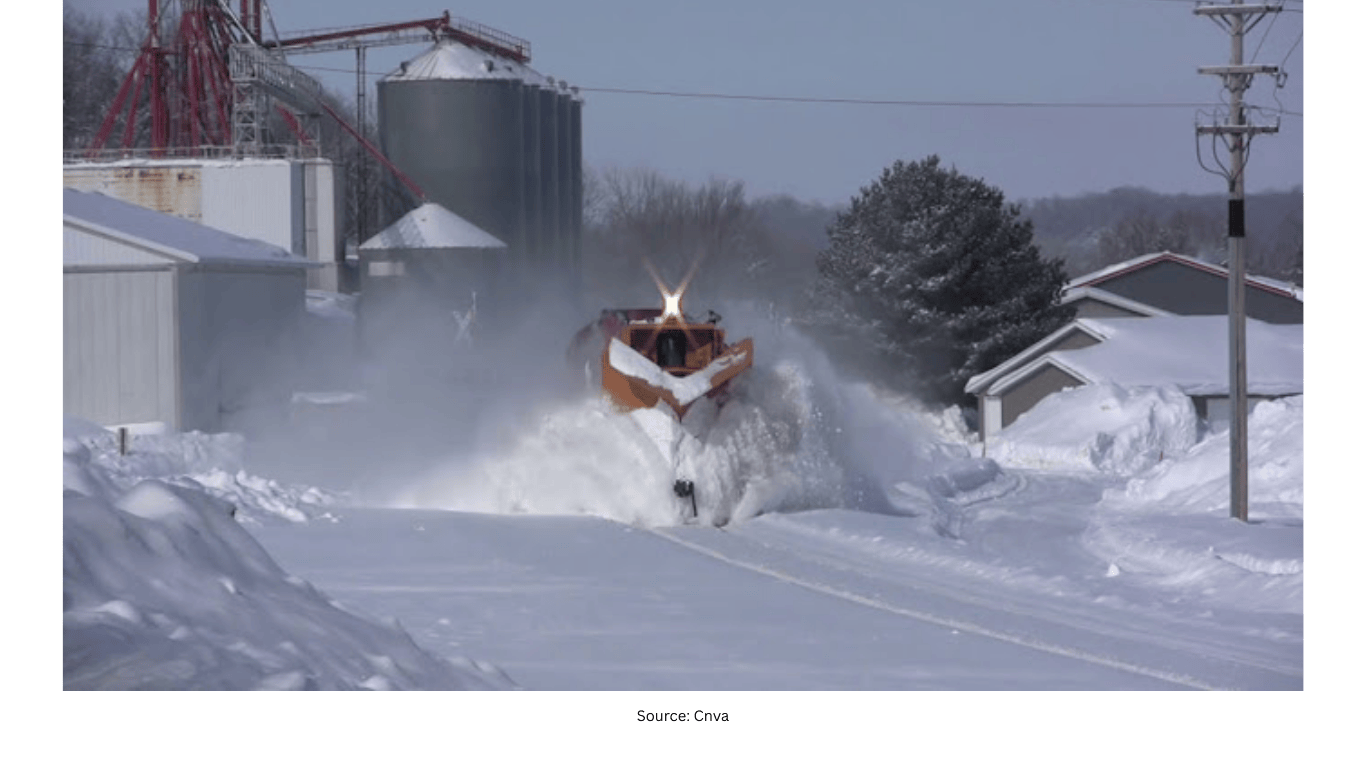
To address severe winter conditions, rail operators can use snowplow trains. These are trains equipped with the power and tools needed to push through heavy snow and clear the rail corridor. Their purpose is straightforward: remove snow from the tracks so that passenger and other rail services can resume. In the context of mass transit, that role can be critical because rail lines often serve as major travel arteries, and prolonged closures can affect large numbers of people.
Snowplow trains are built for the realities of winter operations. Rather than relying on manual clearing or smaller equipment, they can move along the line and cut a path through accumulated snow. This makes them especially useful when the snow is deep and widespread, because the clearing work can be performed directly on the route that needs to reopen.
Deployment in northern Scotland after feet of snow
During a heavy snow event in northern Scotland, snowplow trains were sent out on a Monday to clear the tracks. The conditions involved feet of snow, the kind of accumulation that can overwhelm normal service operations and leave rail corridors blocked. By deploying these trains, rail crews were able to clear the heavy drifts from the tracks and work toward restoring rail movement.
The practical outcome of this type of operation is that it helps “clear the way” for travelers. When rail tracks are obstructed, trains cannot safely pass, and the disruption can extend across regions as schedules and routes are affected. Clearing track sections is therefore not only a maintenance task but also a step toward reestablishing reliable transportation for people who depend on the rail network.
How clearing tracks supports travelers across a country
Rail systems are interconnected. A blocked section in one area can ripple outward, affecting timetables, rolling stock availability, and connections in other locations. When heavy snow hits, the ability to reopen lines becomes part of a broader effort to keep national or regional travel functioning. In the northern Scotland operation, the clearing work supported the wider goal of enabling travelers to move across the country.
While the immediate focus is on removing snow from rails, the broader significance lies in restoring continuity. For many passengers, trains are not just a local service; they are part of longer journeys involving transfers and time-sensitive plans. Clearing snow from tracks helps reduce the duration of disruption and supports the return of regular operations.
What this highlights about winter preparedness on rail networks
The use of snowplow trains underscores how winter weather can require specialized responses. Heavy snowfall is not simply an inconvenience; it can become a barrier that physically prevents trains from moving. Having the capability to send out equipment designed to handle deep drifts is one way rail operators can respond when conditions escalate beyond routine maintenance.
This kind of response also illustrates the practical relationship between weather and infrastructure. Snow events can arrive quickly and vary in intensity, and transportation agencies must adapt to what is happening on the ground. When snowfall is severe enough to leave feet of snow on tracks, the decision to deploy snowplow trains becomes a direct action aimed at restoring mobility.
Key takeaways
Heavy snow can disrupt mass transit, and rail travel is especially affected when tracks are blocked.
Snowplow trains are designed to clear heavy drifts from tracks, making them valuable during severe snowfall.
In northern Scotland, these trains were sent out on a Monday to remove feet of snow from the tracks.
Clearing the tracks helps reopen routes and supports travelers across the country by restoring rail service.
A practical example of weather response in transportation
The northern Scotland clearing effort offers a clear example of how transportation systems respond to extreme winter conditions. Heavy snow can quickly shift from a weather event to an operational crisis, particularly for trains that require a clear path. Snowplow trains provide a way to meet that challenge by physically removing the snow that prevents movement. When they are deployed effectively, they can help rail networks recover and allow travelers to resume their journeys.