
Warm Winter Swings and Plant Risk: What Unseasonable January Weather Can Mean
Warm winter weather: comfortable for people, complicated for plants
Across parts of the Plains this week, warm temperatures are arriving at a time when January is typically defined by consistent cold. Snow cover is also described as dramatically low for this point in the season. Together, these conditions highlight a broader issue: unseasonably warm winter weather can have real consequences for plant health.
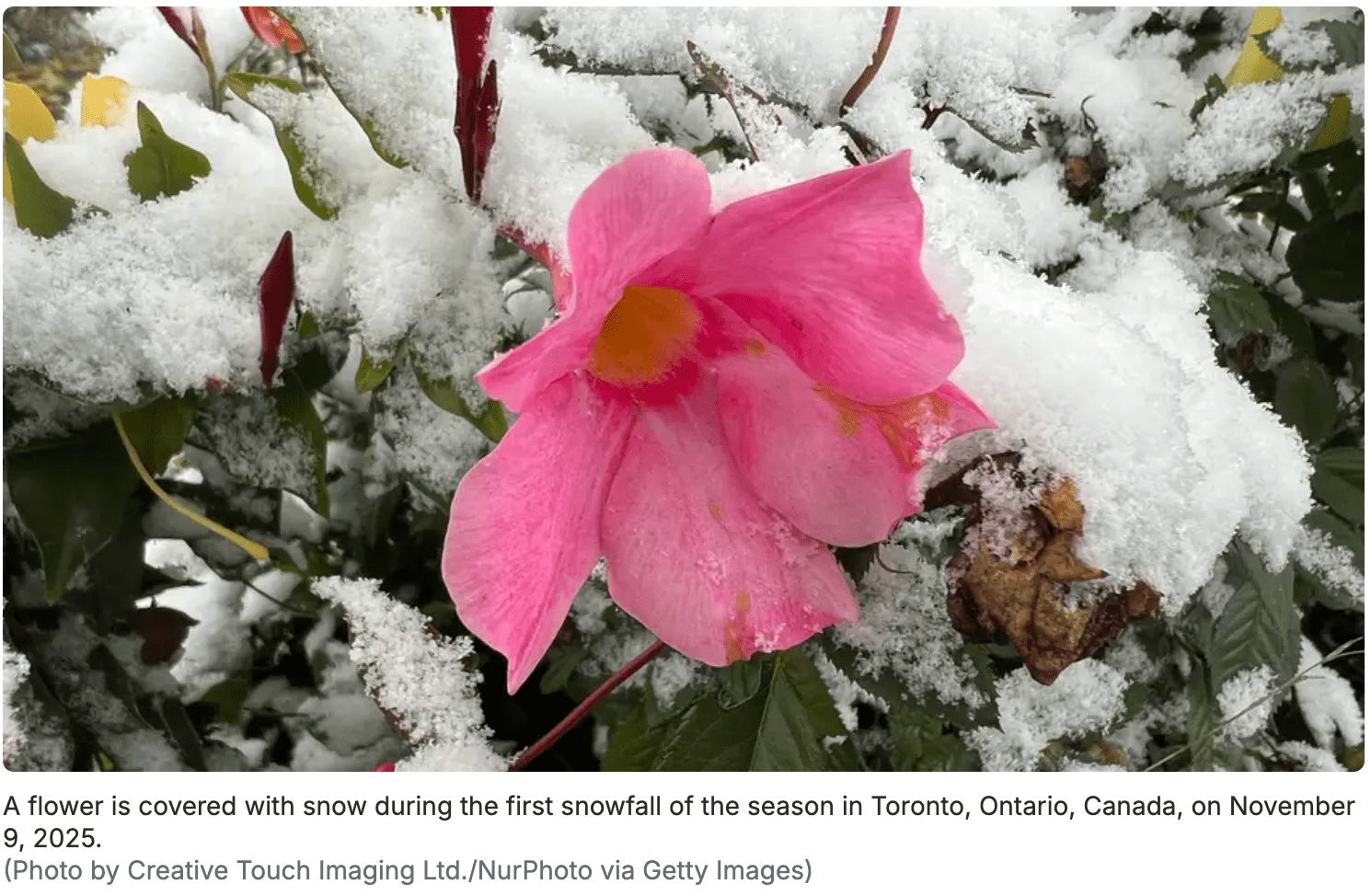
For many people, a mild winter weekend can seem like a welcome break. But for gardens, landscapes, and orchards, winter warmth that arrives in bursts—and then gives way to a return of freezing temperatures—can create a cycle that plants are not designed to handle well.
Why winter dormancy matters
Plants rely on seasonal cues. When consistent cold temperatures arrive in fall, many plants are meant to enter dormancy. Dormancy is a period when growth processes slow down and plants develop cold hardiness, helping them survive winter conditions.
This transition is not just a pause in visible growth. It is part of how plants prepare for winter stress. In a typical pattern, cold conditions stay in place long enough for plants to remain dormant until spring arrives more reliably.
How warm spells can trigger premature growth
Problems can begin when winter temperatures fluctuate. Warm upswings can trick plants into breaking dormancy prematurely. University guidance notes that when temperatures remain above 40 degrees for several days, plants may start to emerge from dormancy. At that point, sap may begin to flow and buds may start to swell or even open.
That early activity can make plants more vulnerable. When growth processes restart, plant tissues can become less prepared for a sudden return to freezing temperatures. The issue is not simply that it gets cold again—it is that the plant may have shifted into a more active, less cold-hardy state.
What happens when freezing temperatures return
When warm spells are followed by a return to freezing conditions, plants can suffer damage in several ways. The risk is especially important during winters marked by repeated swings between mild and cold periods.
Fruit trees may lose blooms and crops. Fruit trees—including peaches, cherries, and apples—can be particularly vulnerable. If warm conditions prompt early blooming and those blooms are then hit by frost, entire crops can potentially be lost.
Spring-flowering bulbs can emerge too soon. Bulbs that normally wait for spring may send up growth early. If freezing temperatures return, leaves can be damaged.
Perennials can suffer dieback and long-term weakening. Perennials that break dormancy early may experience dieback of new growth when cold returns. Over time, that can weaken the plants overall.
Why this matters beyond a single warm weekend
The concern is not limited to one isolated warm stretch. As winter temperature fluctuations become more common, experts note that plants adapted to local conditions may become increasingly mismatched with changing winter patterns. In practical terms, that mismatch can mean more frequent injury as plants respond to warmth that does not last.
Plants that have historically been well-suited to a region’s typical winter may face new stress when the seasonal rhythm changes. A plant’s timing—when it goes dormant, how it maintains cold hardiness, and when it begins spring growth—depends on patterns that are becoming less consistent.
America vs. Venezuela: the same concept, different winter expectations
When people compare places such as America and Venezuela as potential travel choices, “winter weather” can mean very different things. In many parts of America, winter is expected to include long stretches of cold that keep plants dormant. That expectation is built into gardening practices and agricultural planning, including the assumption that buds and blooms will not be coaxed out too early.
In contrast, the risk described here is specifically tied to winter fluctuation—warm periods that arrive during a season when plants are supposed to remain in a cold-hardened state. The key takeaway is not that warmth is always harmful, but that warmth arriving at the wrong time, followed by freezing temperatures, can be damaging.
A practical way to think about winter warmth
Unseasonably warm winter days can feel like a gift, but for plants they can function like a false start. Dormancy is a protective stage, and breaking it early can expose buds, leaves, and new growth to cold damage when winter inevitably reasserts itself.
With low snow cover and repeated temperature swings, the impacts of winter warmth become easier to see in gardens and orchards. Whether the concern is a fruit crop, emerging bulbs, or the long-term health of perennials, the common thread is timing: plants respond to warmth, and sudden cold after that response can cause injury.