
Weather Forecasting and Tourist Destinations: Planning Travel with Confidence
Weather and travel decisions
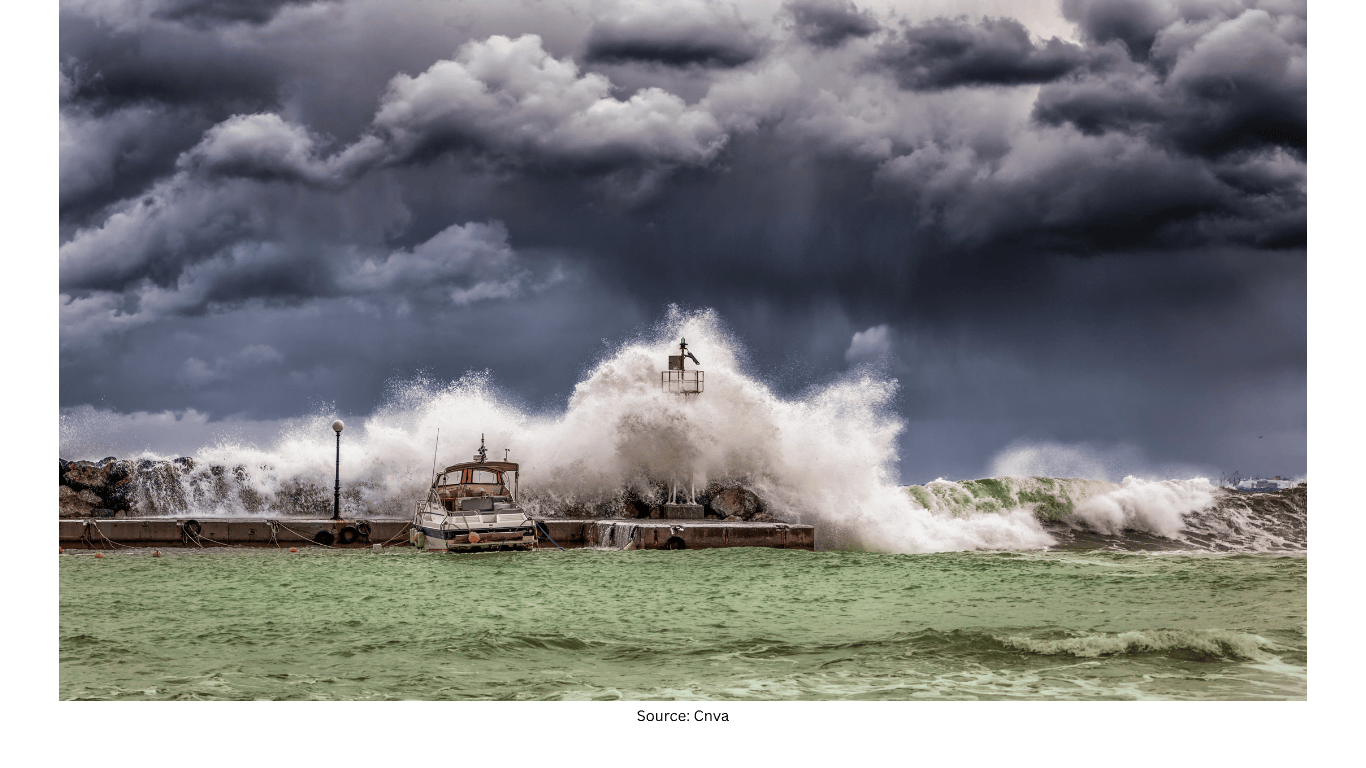
Weather influences many parts of a trip, from what people pack to which activities they schedule. For tourist destinations, forecasts can affect how visitors plan their days and how local services prepare for demand. Whether a traveler is considering outdoor sightseeing, water-based activities, or city exploration, understanding expected conditions can help reduce uncertainty and support safer, more comfortable choices.
Weather forecasting is often treated as a practical tool rather than a guarantee. Forecasts describe likely conditions, and they can change as new information becomes available. For travelers, this means it is helpful to treat forecasts as guidance for planning and to keep flexibility in schedules when possible.
How forecasts can support trip planning
Tourists frequently use forecasts to decide when to travel and what to do once they arrive. Even a basic outlook can help set expectations about temperature, precipitation, and general comfort, which can influence decisions such as:
- Choosing travel dates that better match preferred conditions
- Planning outdoor activities during more favorable parts of the day
- Preparing alternatives for activities that depend on clear skies or calm conditions
- Adjusting clothing and gear choices to match expected weather
Forecast information can also support travelers who want to balance multiple interests. For example, someone may plan a mix of indoor and outdoor experiences so that a change in conditions does not disrupt the entire itinerary.
Tourist destinations and changing conditions
Tourist destinations often involve a wide range of micro-environments, including coastal areas, higher elevations, and dense urban settings. Conditions can vary within short distances, and travelers may experience different weather depending on where they go during the day. Because of this, it can be useful to check forecasts that reflect the specific area being visited rather than relying on a broad regional summary.
In many destinations, weather can change quickly. This is especially relevant when a trip includes activities with greater exposure to the elements. In these situations, travelers may benefit from monitoring updates and being prepared to adjust plans.
Using forecasts in a practical way
Forecasting is most useful when it is applied in a realistic, step-by-step way. Instead of treating weather information as a single decision point, travelers can use it as an ongoing reference before and during a trip. A practical approach can include reviewing conditions ahead of departure, checking updates the day before key activities, and staying aware of changes on the day itself.
This approach can support both comfort and safety. It can also reduce stress by encouraging flexible planning. When travelers have a backup option in mind, a shift in conditions may become a minor adjustment rather than a major disruption.
What travelers often look for
While forecasts can include many details, travelers commonly focus on a few core elements that directly affect daily plans. These elements help answer basic questions about how the day might feel and what activities are likely to be suitable.
- Temperature expectations that influence clothing and timing
- Chance of precipitation that affects outdoor plans
- General conditions that shape comfort, visibility, and travel pace
Even when a forecast is not perfectly aligned with what happens, it can still provide a useful framework for planning. The key is to treat it as a guide and remain open to adjustments.
Balancing optimism with preparedness
Travel planning often includes a degree of optimism, especially when a destination is known for outdoor attractions. Forecasts can help balance that optimism with preparedness. If conditions appear uncertain, travelers can still enjoy a destination by building in flexibility, selecting activities that are less weather-dependent, and keeping essential items available.
Preparedness does not necessarily require complex planning. Simple steps, such as keeping an extra layer of clothing accessible or scheduling a mix of activities, can make a noticeable difference in overall comfort.
Why forecasts matter for the travel experience
Weather forecasting can shape expectations, and expectations often shape satisfaction. When travelers have a clearer sense of what conditions may be like, they can make choices that fit their preferences and comfort level. This can lead to a smoother experience, fewer surprises, and a greater ability to enjoy what a tourist destination offers.
At the same time, weather is only one part of travel. Many destinations remain enjoyable across a range of conditions, particularly when visitors plan thoughtfully. By using forecasts as a planning tool rather than a fixed promise, travelers can stay informed, adapt as needed, and focus on the overall experience.