
Weather Forecasting and Tourist Planning: What Travelers Can Reliably Use
Weather forecasting as a travel tool
Weather influences many of the decisions people make when planning a trip. It can affect how travelers pack, which activities they schedule, and how they move around a destination. Weather forecasting is commonly used as a planning tool because it offers a structured way to anticipate conditions such as temperature, precipitation, wind, and general sky conditions. For many travelers, a forecast is one of the first checks made when selecting travel dates or deciding between destinations.
At the same time, weather forecasts are not guarantees. They are best understood as guidance that can help travelers prepare and make informed choices. When used thoughtfully, forecasting supports smoother itineraries and more comfortable travel. When used rigidly, it can lead to unnecessary stress if conditions change. A balanced approach treats forecasts as one input among several, alongside personal preferences, flexibility in scheduling, and basic safety considerations.
What travelers typically look for in a forecast
Travel planning tends to focus on a few practical weather questions. People often want to know whether it will be hot or cold, whether rain is likely, and whether wind or other conditions could disrupt outdoor plans. These factors can shape everything from clothing choices to whether a day is better suited for sightseeing, hiking, beach time, or indoor activities.
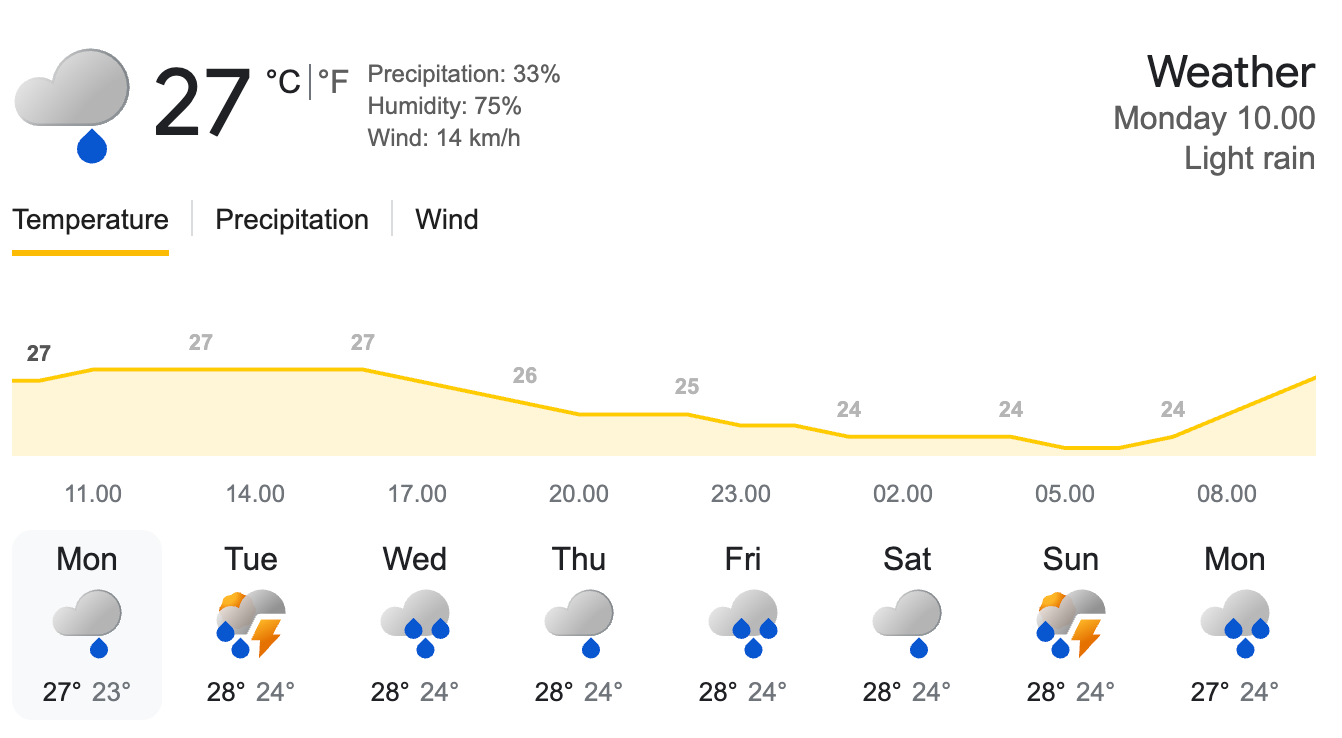
Forecast information is usually consumed in a simplified format: daily highs and lows, an icon indicating sun, clouds, or rain, and a percentage chance of precipitation. While these summaries are useful, travelers benefit from looking beyond a single symbol or number. A day marked with rain may still have long dry periods, and a low precipitation chance does not necessarily mean rain is impossible. Understanding that forecasts communicate probability and expected ranges can help travelers plan with fewer surprises.
Weather forecasting and destination choice
In travel decision-making, weather can be a deciding factor in choosing one destination over another. Some travelers prioritize warm, sunny conditions, while others seek cooler temperatures or seasonal experiences. Forecasting can help align travel plans with those preferences, especially for short trips where the goal is to maximize time outdoors.
However, choosing a destination solely based on a snapshot forecast can be limiting. Forecasts become more reliable as the travel date approaches, and conditions can shift. A practical approach is to use forecasts to narrow options and then refine plans closer to departure. Travelers who build flexibility into their schedules can adapt more easily if a destination experiences unexpected conditions.
Short-range planning versus longer-range expectations
Weather forecasting is often most helpful for short-range planning, such as deciding what to do tomorrow or later in the week. For travelers, this means checking conditions as the trip approaches and updating plans during the trip itself. Many people find value in reviewing the forecast each morning to decide whether to prioritize outdoor activities early in the day, keep rain gear handy, or schedule indoor attractions if conditions look unsettled.
Longer-range outlooks can still be useful for general expectations, but they should be treated with caution. The further out the date, the more uncertainty is involved. For trip planning, it can be more effective to think in terms of preparedness: packing layers, bringing a light waterproof jacket, or choosing accommodations that remain comfortable across a range of conditions.
Interpreting precipitation information
Precipitation is one of the most important forecast elements for tourists because it directly affects outdoor comfort and mobility. Many travelers focus on the chance of rain, but it can also be helpful to consider the expected timing and intensity. Light showers may be manageable with an umbrella or rain jacket, while heavier rain can disrupt transportation and limit visibility for scenic activities.
When planning, it helps to keep options open. If rain is possible, travelers can schedule flexible activities that can be moved earlier or later in the day. They can also identify indoor alternatives such as museums, markets, or cultural sites. This approach reduces the risk that a single weather change will derail the entire day.
Temperature and comfort: packing and scheduling
Temperature forecasts are central to packing decisions. Travelers often rely on predicted highs and lows to decide whether to bring warm layers, lightweight clothing, or a mix. Even within a single destination, temperature can vary by time of day, especially between morning and afternoon. Planning for these shifts can make travel more comfortable and reduce the need for last-minute purchases.
Temperature also affects activity choices. Walking tours, outdoor dining, and extended excursions can be more enjoyable under moderate conditions. When temperatures are expected to be higher or lower than a traveler prefers, it may be wise to schedule demanding outdoor activities during the most comfortable hours and reserve the rest of the day for lower-exertion plans.
Wind and visibility considerations
Wind is sometimes overlooked in casual travel planning, but it can influence comfort and safety. Strong winds can make coastal areas feel cooler, affect boat trips, and reduce enjoyment of exposed viewpoints. Wind can also contribute to choppy water conditions, which may matter for ferries and other water-based transportation.
Visibility is another practical factor, particularly for travelers visiting scenic lookouts, mountains, or coastal viewpoints. Cloud cover, fog, or haze can reduce the experience of panoramic attractions. While forecasts often summarize sky conditions, travelers may benefit from checking details that indicate whether conditions are expected to clear later in the day. This can help determine whether to visit a viewpoint in the morning or wait for a better window.
Using forecasts to build a flexible itinerary
One of the most effective ways to use weather forecasting in travel is to build flexibility into the itinerary. Rather than assigning every activity to a fixed day, travelers can create a short list of “weather-dependent” plans and “weather-proof” alternatives. This makes it easier to adapt without losing time or missing key experiences.
For example, outdoor activities such as hiking, beach visits, or open-air sightseeing can be prioritized on days that look more stable. Indoor activities can be reserved for days with higher uncertainty. Even in destinations known for variable conditions, this approach can help travelers maintain a sense of control and enjoyment.
Practical steps travelers can take
Check the forecast close to departure and again during the trip, rather than relying on a single early look.
Use the forecast to guide packing: layers, comfortable footwear, and rain protection can cover a wider range of outcomes.
Plan at least one indoor option each day if conditions may change.
Consider timing as well as probability: a day with intermittent showers may still be suitable for outdoor plans if you choose the right hours.
Be ready to adjust transportation or activity schedules if wind or precipitation could affect comfort.
Weather forecasting and traveler expectations
Forecasts can shape expectations, and expectations can shape satisfaction. When travelers expect perfect conditions, even minor changes can feel disruptive. A more resilient mindset treats weather as part of the travel environment. Many destinations remain enjoyable across a wide range of conditions, especially when travelers prepare and remain open to changing the order of activities.
In practice, the most useful forecast is one that supports decision-making without creating false certainty. Travelers can use forecasts to choose appropriate clothing, plan daily schedules, and reduce risk. They can also use them to decide when to take advantage of favorable conditions, such as scheduling outdoor highlights on the clearest day available.
Balancing planning with on-the-ground observation
Even with forecasting, travelers often benefit from observing conditions directly once they arrive. Local weather can shift quickly, and what matters most is what is happening in the moment. If skies are clearing earlier than expected, it may be a good time to head to a scenic location. If conditions worsen, it may be better to switch to an indoor plan.
This balance—using forecasts for structure and real-time observation for fine-tuning—can make travel smoother. It also reduces the pressure to interpret every forecast detail perfectly. The goal is not to predict the weather with certainty, but to prepare for likely conditions and keep the itinerary adaptable.
Conclusion
Weather forecasting plays an important role in tourist planning by helping travelers anticipate conditions and make practical choices. It can guide destination selection, packing, daily scheduling, and activity planning. The most reliable way to use forecasts is to treat them as a planning aid rather than a promise, and to build flexibility into the trip. With a thoughtful approach—combining forecast checks, adaptable itineraries, and sensible preparation—travelers can stay comfortable and make the most of their time, even when conditions change.