
Weather Forecasting or Tourist Destination: A Clear Distinction
Overview
This article addresses a simple but important distinction: “weather forecasting” describes a service and a field of work, while a “tourist destination” describes a place people visit. These two ideas often appear together in travel planning—because travelers check forecasts before they go—but they are not the same category of topic.
Because the provided input does not include any extracted factual content (no title, description, or body text), this piece is limited to clarifying the terms at a general level without making specific claims about locations, forecast accuracy, climate patterns, or travel conditions.
What “Weather Forecasting” Refers To
Weather forecasting refers to the practice of predicting upcoming atmospheric conditions. In everyday use, it is what people consult to understand likely near-term weather—such as whether it may be sunny, rainy, windy, or otherwise—so they can plan activities and prepare appropriately.
When the topic is “weather forecasting,” the focus is typically on information and decision-making. It is relevant to many audiences: commuters, event planners, businesses, and travelers. The key point is that it is not a place. It is a type of guidance people use to reduce uncertainty about future conditions.
- It is a category of information used for planning.
- It is not inherently tied to one location, even though forecasts are issued for specific places.
- It can be consulted before and during travel, but it is not itself a travel attraction.
What “Tourist Destination” Refers To
A tourist destination is a location people choose to visit. The reasons can vary widely—sightseeing, recreation, culture, relaxation, or special events—but the defining feature is that it is a place. A destination can be a city, region, landmark, coastline, mountain area, or other identifiable location that attracts visitors.
When the topic is “tourist destination,” the focus is typically on what a place offers: what visitors can do there, what they can see, and how they can experience the location. Weather can influence the experience, but it does not define the destination in the same way that attractions, amenities, and accessibility do.
- It is a place people travel to.
- It is defined by visitor interest and experiences.
- Weather information may support planning, but it is not the destination itself.
How the Two Topics Commonly Intersect
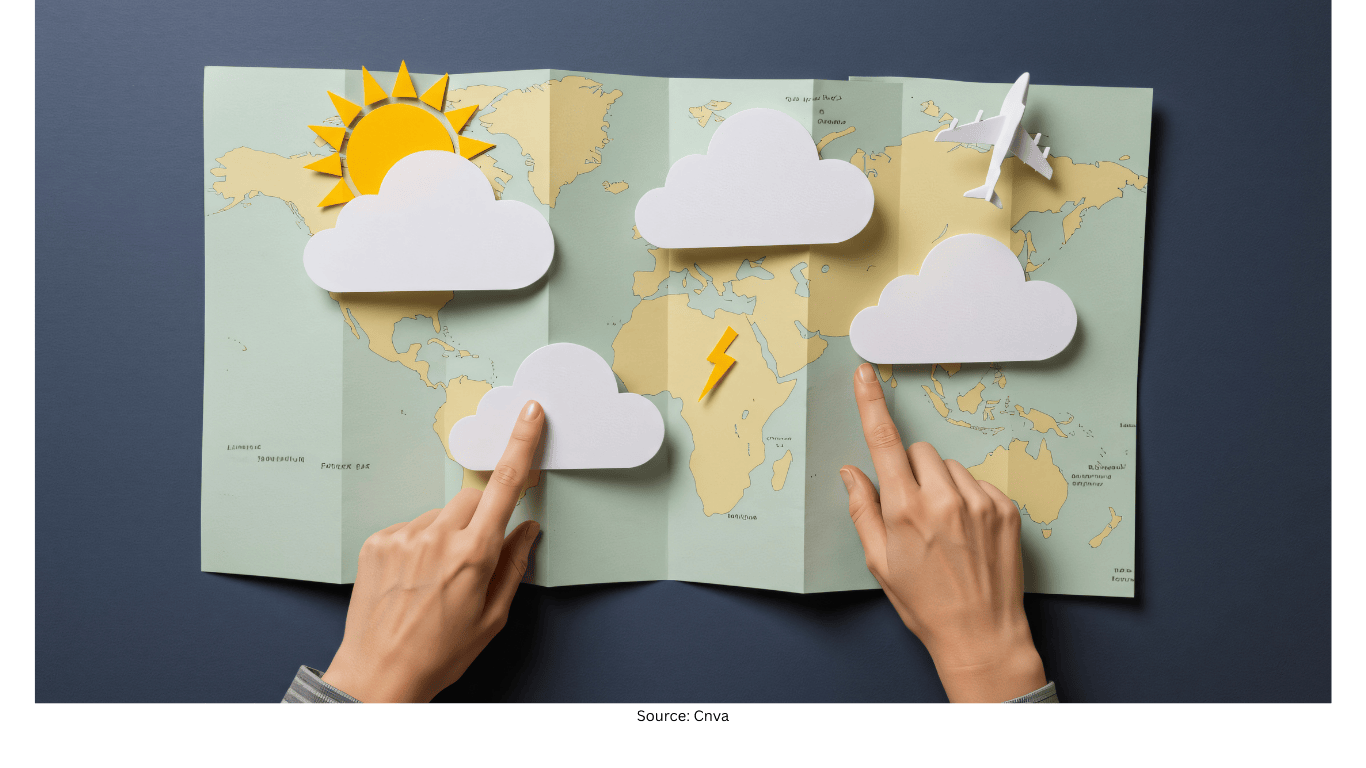
Although weather forecasting and tourist destinations are different concepts, they often intersect in practical travel planning. People may check a forecast to decide what to pack, which days to schedule outdoor activities, or whether to adjust timing. This overlap can make the two topics appear closely related, especially in travel content that includes forecast summaries.
However, it can be helpful to keep the distinction clear. A forecast is typically time-specific and changeable, while a destination is a fixed location with ongoing features. In other words, weather forecasting is a tool; a tourist destination is the subject of the trip.
Choosing the Right Angle for an Article
If the goal is to write about weather forecasting, a reader usually expects an emphasis on how to interpret forecasts, how to use forecast information for planning, and what kinds of weather details matter for different activities. If the goal is to write about a tourist destination, a reader usually expects an emphasis on the location itself, what makes it appealing, and how to plan a visit.
In some cases, a combined approach is appropriate—for example, a travel-planning guide that includes general advice about checking forecasts. In that case, the destination remains the main subject, and weather forecasting functions as supporting information that helps visitors prepare.
- Weather-focused writing centers on planning and conditions.
- Destination-focused writing centers on place-based experiences.
- Combined writing should clearly separate “what to do” from “what to expect from the weather.”
Practical Framing for Readers
For readers, the most useful framing is often straightforward: decide what you are trying to learn. If you want to understand likely conditions for a specific time period, you are looking for weather forecasting information. If you want to decide where to go or what a place offers, you are looking for destination information.
When both are needed, it helps to treat them as two steps. First, choose the destination based on interest and priorities. Second, use weather forecasting to refine plans and prepare for the timing of the trip. This keeps expectations realistic and prevents confusion between a place’s identity and the short-term conditions that may occur during a visit.
Conclusion
Weather forecasting and tourist destinations are related in travel planning but represent different kinds of topics. Weather forecasting is an informational tool used to anticipate conditions, while a tourist destination is a place people visit for experiences. Keeping that distinction clear makes travel planning content easier to understand and helps readers find the guidance they actually need.