
Weather Forecasting or Tourist Destination: How to Choose the Right Focus
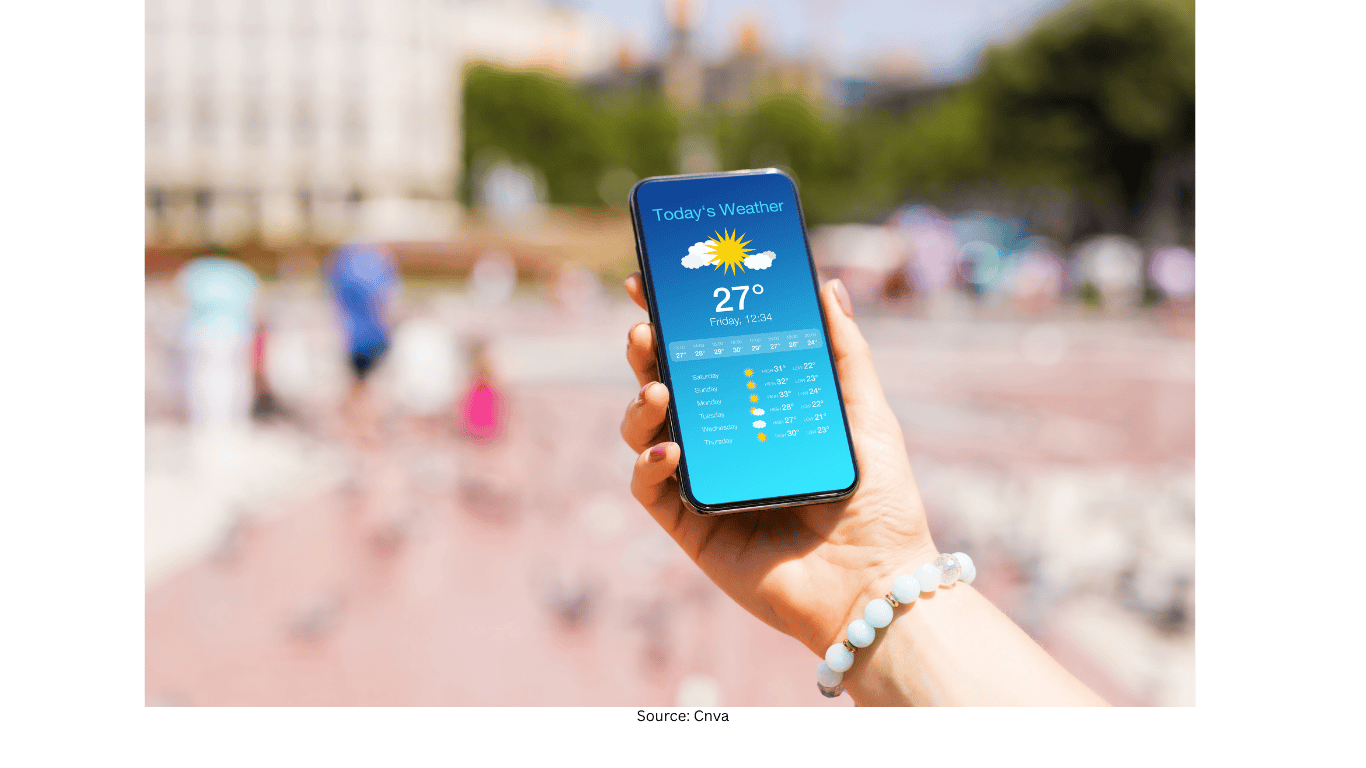
Two common directions for weather content
When planning weather-related content, two themes often appear side by side: weather forecasting and tourist destinations. Both can sit under the same broad niche, but they serve different reader needs. Forecasting content typically helps people make near-term decisions, while destination-focused content usually supports planning and expectations for a place. Choosing one direction—or combining them carefully—depends on what you want the reader to do with the information.
This article outlines the differences between these approaches, how each can be structured, and what to keep consistent so the topic remains clear and useful. The goal is to keep the framing neutral and practical, without overstating certainty or making claims that cannot be supported.
What “weather forecasting” content usually aims to do
Weather forecasting content is generally oriented around the idea of anticipating conditions. Readers come to it for clarity: what the weather may be like, when changes might happen, and how to interpret common forecast elements. Even without going deep into technical models, forecasting coverage can be organized in a way that feels reliable and easy to follow.
A forecasting-focused piece often benefits from a consistent structure. That might include a brief overview, a short time window (for example, “today,” “this week,” or “this weekend”), and a plain-language summary of expected conditions. The key is to keep the language measured. Forecasts are inherently uncertain, so wording should reflect that reality rather than implying absolute outcomes.
- Use clear time frames so readers know what period you are discussing.
- Separate observed conditions from expected conditions to avoid confusion.
- Keep terminology simple and define any technical terms if you must use them.
- Maintain a neutral tone and avoid dramatic language.
What “tourist destination” weather content usually aims to do
Destination-focused weather content typically supports travel planning. Instead of asking “what will happen next,” readers often ask “what is it usually like there” or “what should I expect when I visit.” This kind of content can be useful when it helps set expectations and encourages practical preparation.
A destination angle can also be written without turning into promotional travel writing. The weather component can remain the center of the piece: how conditions may affect comfort, clothing choices, or the general feel of a visit. If you decide to cover a destination, it helps to state clearly whether you are discussing typical patterns, seasonal considerations, or a short-term forecast for an upcoming period.
- Clarify whether you are describing typical conditions or a near-term forecast.
- Keep the focus on weather-related planning rather than making sweeping claims about the destination.
- Use balanced language that helps readers prepare without implying guarantees.
How to decide which angle fits your goal
The simplest way to choose between forecasting and destination coverage is to define the reader’s primary question. If the reader needs immediate guidance—such as whether conditions may change soon—forecasting is the natural fit. If the reader is planning a trip and wants context for what a place might feel like, a destination approach may be more appropriate.
It is also possible to combine both angles, but the structure should prevent mixing “typical” and “expected” conditions in the same paragraph without clear labels. One practical approach is to create separate sections: one for near-term expectations and one for broader seasonal context. That way, readers are less likely to mistake general patterns for a specific forecast.
Keeping the content clear and AdSense-safe
Weather topics can drift into sensational language, especially when discussing risk or uncertainty. A neutral, AdSense-safe approach focuses on clarity and avoids exaggeration. If you mention potential impacts, keep them general and tied to preparation rather than fear. The aim is to help readers understand what the content is—and what it is not.
Another helpful habit is to avoid absolute statements. Words like “will” can be replaced with “may,” “is expected,” or “could,” depending on the context. This keeps the tone accurate and reduces the chance of misleading readers. It also helps to avoid presenting assumptions as facts, particularly when the piece is meant to be informational.
Recommended structure for either format
Regardless of whether you choose forecasting or destination coverage, a consistent editorial template makes the article easier to read. Forecasting pieces can be short and time-bound, while destination pieces can be broader, but both benefit from a clear beginning, middle, and end. The opening should define the scope. The middle should provide the main details in a predictable order. The ending should summarize what the reader should take away.
- Scope: State the location or theme and the time frame (if any).
- Main points: Present key conditions in a stable order (e.g., temperature feel, precipitation chances, wind, and general sky conditions).
- Practical takeaway: Offer simple planning notes, such as how to stay comfortable or what to monitor.
- Summary: Reiterate the main expectation or typical pattern in one or two sentences.
Common pitfalls to avoid
One common issue in weather writing is blending different types of information without labeling them. For example, “typical” seasonal conditions are not the same as a short-term forecast. Another pitfall is adding dramatic framing that does not help the reader make better decisions. If the content is meant to be useful, it should prioritize organization, plain language, and a steady tone.
It is also important not to overpromise precision. Weather information is most helpful when it is presented as guidance with appropriate uncertainty. This is true whether you are writing a forecast-style update or describing what visitors might expect in a destination setting.
Choosing a focus and moving forward
If you are building a weather content plan, start by selecting the primary intent: forecasting or destination context. Forecasting serves readers who need near-term clarity, while destination coverage serves readers who want expectations for a place. Both can be written in a neutral, practical way, and both can coexist if the structure clearly separates short-term expectations from broader context.
By keeping the scope explicit, using measured language, and organizing information consistently, you can create weather content that is readable, responsible, and aligned with what audiences typically look for in the weather niche.