
Planning a Japan Trip: Using Tourism Guides and Maps to Organize Your Travel
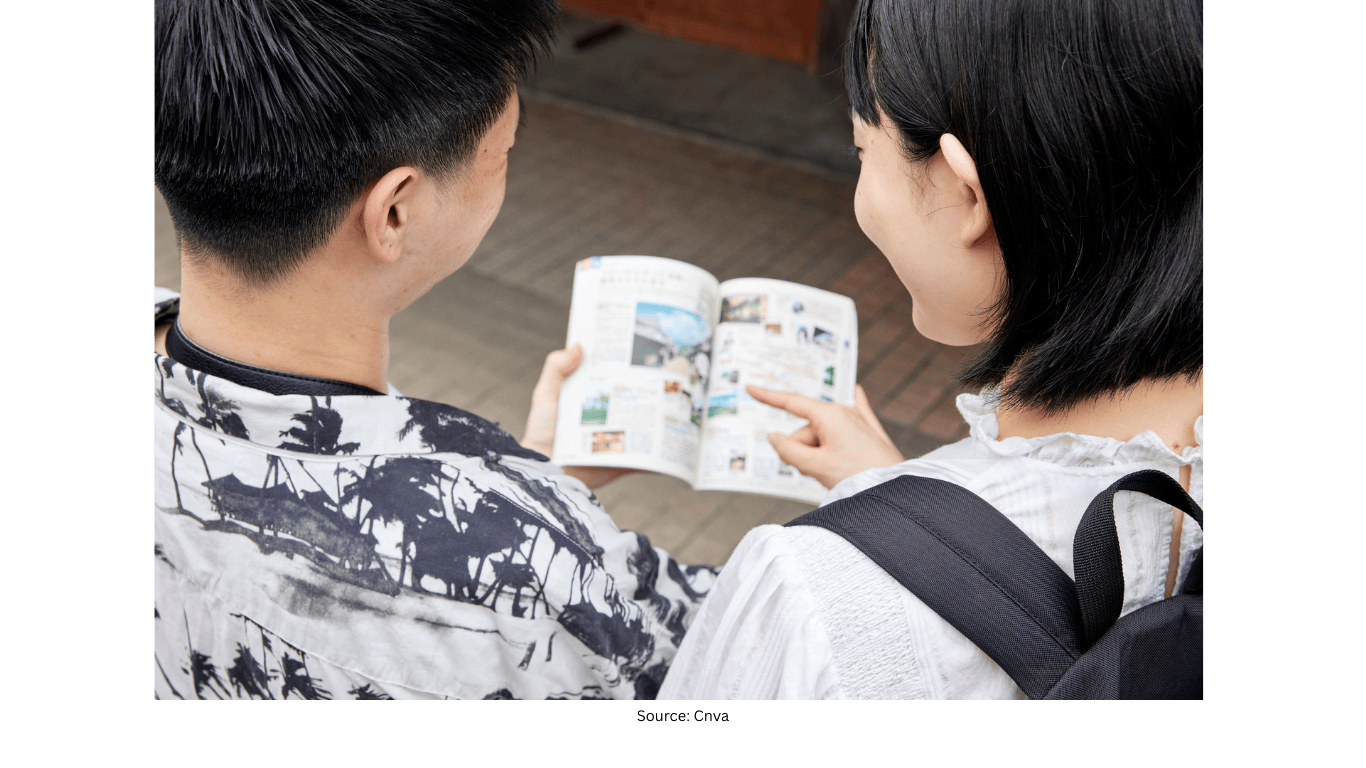
Japan travel planning with local guides and maps
Planning a trip can feel simpler when you have one place to start. A Japan tourism guide positioned as an official guide for local information and things to do in Japan is designed to support that first step: understanding what is available and how to organize it into a workable itinerary. Rather than relying on scattered notes, a structured guide can help you move from general interest to specific decisions, such as where to stay, what to eat, and which tours to consider.
At its core, a tourism guide for Japan emphasizes practical planning. It brings together local information and a range of options for travelers who want to build a trip around activities and experiences. Whether you are early in the planning process or refining details close to departure, a guide paired with a travel map can serve as a central reference point.
Finding things to do in Japan
A key purpose of a Japan travel guide is helping travelers identify things to do. Instead of starting from scratch, you can use a guide to explore activities and narrow them down based on your interests and schedule. This approach is especially useful when you want to compare different options and decide what deserves a place in your plan.
Because the guide is oriented around local information, it can be used to support day-by-day planning. Travelers often begin with broad goals—such as seeing major sights, exploring neighborhoods, or focusing on food—and then use the guide to translate those goals into a list of concrete activities.
Using a Japan map to structure your itinerary
A travel map is one of the most practical planning tools for any trip. When paired with tourism guides, a Japan map can help you visualize where hotels, restaurants, and tours are located. This can make it easier to group activities by area and reduce unnecessary travel time between stops.
Mapping also helps with decision-making. For example, after identifying a set of things to do, you can check where they sit relative to your potential accommodations. If you are choosing between two hotels, seeing their locations on a map can clarify which option fits your intended route and daily plans.
Hotel information: choosing where to stay
Hotel selection is often one of the first major choices in trip planning. A Japan tourism guide that includes hotel information can help you compare options and create a shortlist. Once you have a few candidates, a map can support the next step: understanding how each hotel connects to the places you want to visit.
Using hotel information in a guide can also help you plan the rhythm of your trip. Even without finalizing every detail, choosing accommodations gives structure to your itinerary and makes it easier to plan tours, restaurant visits, and daily activities around a stable base.
Restaurant information: planning meals alongside activities
Food planning is an important part of travel, and a guide that includes restaurant information can help you integrate meals into your schedule. Rather than treating dining as an afterthought, travelers can use restaurant listings to plan ahead, especially on days that are already full of activities.
When restaurant information is viewed on a map, it becomes easier to coordinate meals with nearby attractions or tour meeting points. This can reduce last-minute searching and help you keep your day organized, particularly when time is limited.
Tour information: adding structure and support
Tours can be a useful way to add structure to a trip, and a guide that provides tour information helps travelers evaluate what is available. For some travelers, tours serve as anchors in the itinerary—fixed times and locations around which the rest of the day can be planned.
Tour information can also support decision-making when you are uncertain how to prioritize activities. By reviewing tour options, you may find experiences that align with your interests and simplify planning. Once selected, tours can be added to your map-based plan to ensure they fit logically with your accommodations and meal plans.
Putting it all together: a simple planning workflow
Tourism guides and maps are most helpful when used together. The guide provides the categories of information—things to do, hotels, restaurants, and tours—while the map helps you understand how those choices fit geographically. This combination supports a clear planning workflow that can be repeated as your itinerary evolves.
Start with local information and browse things to do in Japan to create an initial list of interests.
Review hotel information and select a few options that appear suitable for your trip.
Use a Japan map to check how your hotel choices relate to the activities you want to do.
Explore restaurant information and note options that align with your planned days and locations.
Consider tour information to add structured activities, then place them into your itinerary.
Refine the plan by revisiting the map and adjusting the order of activities to keep days manageable.
Why a centralized guide can help
When planning a Japan trip, having a single guide for local information can reduce the friction of organizing details. Instead of switching between separate lists for hotels, restaurants, and tours, a unified approach makes it easier to compare options and keep your planning consistent. This is especially helpful when you are planning multiple days and want your itinerary to feel cohesive.
A guide-and-map approach also supports incremental planning. You can start with broad ideas, then gradually add hotel, restaurant, and tour details as your trip takes shape. Even if you do not finalize every choice at once, the process helps ensure that each decision supports the overall plan.
Planning your next Japan trip
Whether you are building an itinerary for the first time or refining a return visit, a Japan tourism guide designed for local information and things to do can be a practical foundation. With hotel, restaurant, and tour information available in one place—and a Japan map to help visualize your choices—you can move from inspiration to a structured plan that is easier to follow.
By focusing on the essentials—where to stay, where to eat, what to do, and which tours to include—you can create a trip outline that is clear, adaptable, and grounded in the local information provided by the guide.