
After Typhoon-Driven Flooding in Western Alaska, Food Becomes a Lifeline for Remote Villages
A storm’s remnants, and a region pushed to the edge
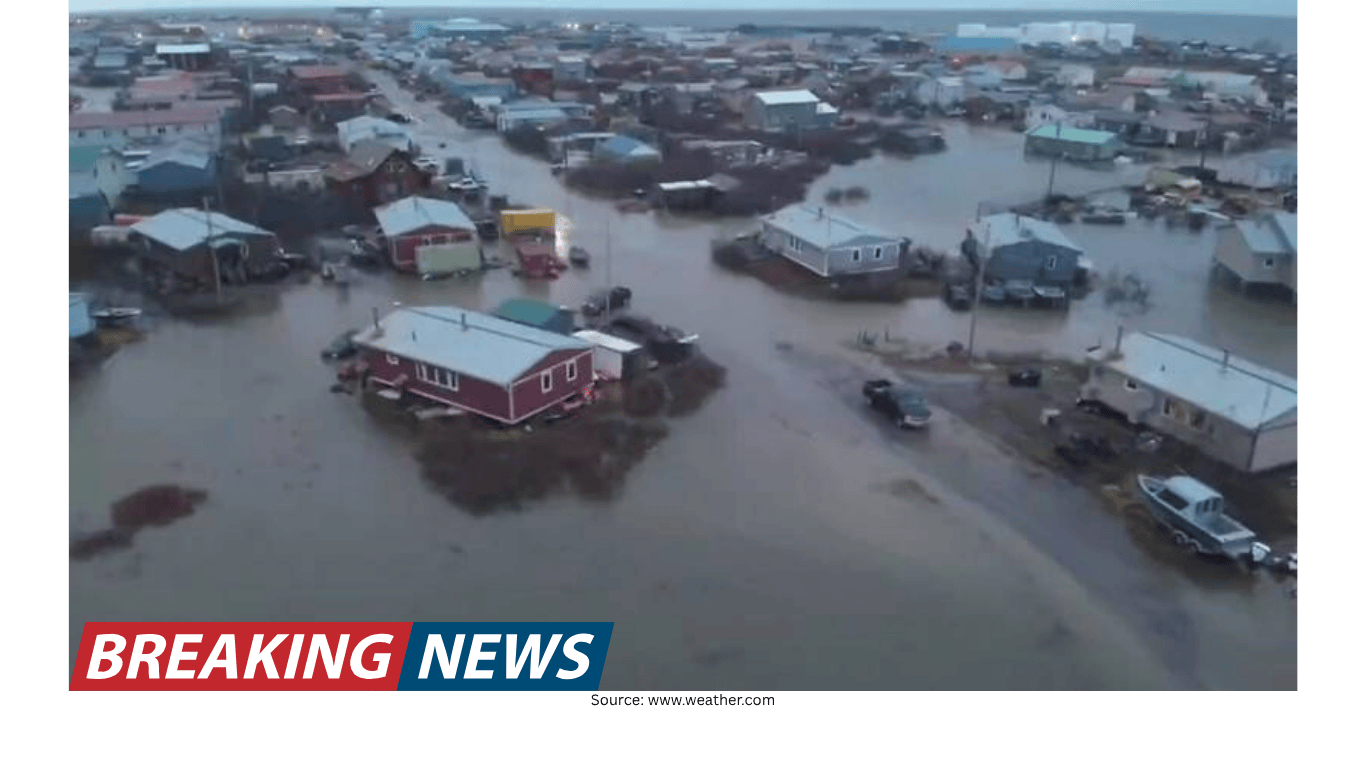
In early October, villages across western Alaska faced a crisis that combined the force of extreme weather with the realities of geographic isolation. Record flooding and winds as high as 100 mph swept through the region, carrying away hundreds of homes across multiple communities. The destruction was tied to the remnants of Typhoon Halong, a reminder that powerful storm systems can have far-reaching impacts even in places more commonly associated with snow, ice, and deep winter cold.
For residents, the event was not simply a story about high winds or rising water; it was a story about what happens after the water recedes and the gusts calm. In the immediate aftermath, the most basic needs—shelter, warmth, and food—become urgent. In western Alaska, those needs are complicated by an additional factor that many people elsewhere rarely have to consider: there are no roads connecting these remote and largely Indigenous communities.
When a storm damages homes and disrupts daily life in a place that is not linked by a road network, recovery is not just about cleaning up debris or restoring power. It becomes a logistical puzzle where every delivery, every supply run, and every meal depends on careful coordination. In this setting, food is more than nourishment. It becomes a stabilizing force, a way to restore routine, and a means of supporting people who have just experienced a profound loss.
Isolation that shapes every response
Western Alaska’s villages are described as remote, and that word carries practical meaning. With no roads connecting communities, normal assumptions about emergency response do not apply. In many parts of the world, trucks can bring in supplies, and residents can drive to neighboring towns for assistance. Here, that option does not exist. The absence of roads turns even straightforward tasks—like getting meals to people—into an operation that must account for distance, weather, and access.
This isolation is not a new condition for residents. These communities have long adapted to living far from major transportation corridors, and they have built local knowledge around what it takes to endure challenging conditions. Yet the scale of the devastation described—hundreds of homes carried away—creates a situation that exceeds everyday preparedness. When homes are gone, the ability to store food, cook, and share meals in familiar spaces can be disrupted all at once.
That is why delivering food after a disaster in this region is not merely about bringing ingredients or packaged goods. It is about ensuring people can eat reliably when their kitchens, pantries, and community gathering places may have been damaged or destroyed. Food assistance, in this context, is inseparable from the broader effort to help survivors regain a sense of stability.
Communities used to harsh winters, confronted by a different kind of challenge
The people living in these villages are accustomed to harsh winters and temperatures that can drop to 40 below zero. That kind of cold demands resilience, planning, and experience. It shapes housing, clothing, and daily routines, and it influences how communities prepare for seasonal hardship. But the devastation from the remnants of Typhoon Halong presented a different kind of challenge—one driven by flooding and extreme winds rather than prolonged cold.
Flooding can upend communities quickly, especially when paired with wind strong enough to carry away structures. Unlike winter cold, which may be expected and planned for, the combination of record flooding and near-100-mph winds can create sudden, widespread displacement. When hundreds of homes are swept away, the disaster becomes not only a weather event but a humanitarian emergency.
In the wake of such an event, the need for food is immediate. Survivors may be staying wherever they can—sharing space, finding temporary shelter, or gathering in community locations that remain usable. Under those conditions, providing meals is a way to meet a basic human requirement while also easing the burden on people who are already navigating major disruption.
Why food matters after a disaster
Food is often discussed in disaster response as a practical necessity, and it is. People need calories, hydration, and consistent access to meals. But in the aftermath of a storm that has carried away homes, food can take on additional meaning. A warm meal can offer a moment of normalcy. A shared meal can create a space for neighbors to check on one another. The act of being served can help people feel seen at a time when they may feel overwhelmed by loss.
The situation in western Alaska highlights this dual role of food. The challenge described was not only to feed survivors but to help heal their souls. That phrase points to an understanding that recovery is not purely physical. Emotional strain, uncertainty, and grief can follow a disaster, particularly when the damage is severe and widespread. Meals, especially when provided with care and consistency, can be part of how communities begin to process what has happened and start to rebuild a sense of connection.
In remote regions, that impact can be amplified. When communities are largely Indigenous and tightly knit, shared support systems are central to daily life. Disruption to housing and infrastructure can strain those systems, making outside assistance—when it is coordinated with local partners—an important complement to community-led resilience.
A partnership focused on getting meals where they are needed
In response to the daunting challenge of feeding storm survivors in these isolated villages, World Central Kitchen teamed up with a local non-profit, Bean’s Cafe. The pairing of an organization known for disaster-related meal support with a local group underscores an important principle in emergency response: local knowledge and local relationships matter.
In a place with no road connections between communities, understanding how to move supplies, where people are gathering, and what resources are available can make the difference between a plan that looks good on paper and one that works in practice. Local organizations often know the community landscape—how people communicate, where help can be staged, and which needs are most urgent. When outside organizations collaborate with local partners, the response can be more grounded in the realities on the ground.
The stated goal of this collaboration was not only to feed survivors but to support healing. That emphasis suggests a response designed to go beyond minimal rations. It points to the idea that meals can be prepared and distributed in a way that respects dignity and recognizes the emotional toll of disaster.
Logistics in a roadless region
Even without detailing every step of the supply chain, the circumstances make clear that feeding people in this region is complicated. When there are no roads connecting villages, the movement of food and supplies must rely on alternative methods of transport and careful coordination. Storm impacts can further complicate access, especially when flooding and wind damage affect local infrastructure and safe travel conditions.
This is why the storm’s aftermath is described as presenting a daunting challenge for getting food to survivors. The word “daunting” is not rhetorical; it reflects the reality that each community may require its own plan for delivery and distribution, and each plan must contend with distance and the limitations of the environment. In such conditions, partnerships that combine experience in emergency feeding with local operational insight can help ensure that meals reach people consistently.
For survivors, the result matters more than the mechanics: knowing that food will arrive, that meals will be available, and that someone is thinking about the next day as well as the current one. Reliability is a form of relief in itself.
The scale of loss: hundreds of homes
The description of “hundreds of homes” being carried away is a stark indicator of the scale of the disaster. Homes are more than buildings; they are where families store food, prepare meals, and gather. When homes are lost, so are the everyday tools of self-sufficiency—stoves, cookware, stored staples, and the familiar routines that make life manageable in a challenging climate.
In western Alaska’s villages, where residents already manage the demands of harsh winters, losing a home can be especially destabilizing. It can affect how people keep warm, how they rest, and how they maintain health. In that context, food support is intertwined with broader survival needs. A meal can provide energy and comfort, but it can also reduce the immediate pressure on households that may be improvising living arrangements.
The storm’s combination of record flooding and extreme winds suggests a disaster that did not merely damage property but reshaped parts of the built environment. When recovery begins under those circumstances, food distribution becomes one of the first ways to restore a sense of order.
Helping people, not just responding to weather
Weather coverage often focuses on the storm itself—wind speeds, flood levels, and the timing of impacts. Those details matter, especially for understanding risk. But the story of western Alaska after the remnants of Typhoon Halong is also about what happens in the days that follow. When a storm hits remote communities, the response is not a single moment but an ongoing effort to meet needs that evolve over time.
Food is among the earliest and most consistent needs. It is also one of the most visible forms of support. People can see meals being prepared, distributed, and shared. That visibility can be reassuring, particularly when other parts of recovery—housing, repairs, and long-term rebuilding—may take longer to organize.
The collaboration between World Central Kitchen and Bean’s Cafe illustrates a response that centers people. It recognizes that survivors need more than supplies; they need care delivered in a way that acknowledges what they have endured. In the phrasing used to describe the effort—feeding survivors and helping heal their souls—there is an implicit understanding that disaster recovery is as much about human connection as it is about logistics.
What this moment reveals about resilience
Western Alaska’s villages are often characterized by their ability to endure harsh winters and extreme cold. That resilience is real, built over time through experience and community bonds. Yet resilience does not mean invulnerability. A storm with record flooding and winds up to 100 mph can overwhelm even well-adapted communities, especially when it results in hundreds of homes being carried away.
In such moments, resilience looks like mutual aid, coordination, and the willingness to accept help. It also looks like organizations working together—combining the reach and experience of a large disaster-response group with the grounded understanding of a local non-profit. When those elements align, the response can be more responsive to real needs, including the less visible needs related to stress and emotional recovery.
Food, in this story, becomes a symbol of that resilience. It is practical, immediate, and deeply human. It helps people get through the day, and it can help communities begin to imagine the next steps.
Key points at a glance
- In early October, record flooding and winds as high as 100 mph affected villages in western Alaska, carrying away hundreds of homes.
- The devastation was linked to the remnants of Typhoon Halong.
- Many of the impacted communities are remote and largely Indigenous, with no roads connecting them.
- Residents are accustomed to harsh winters and temperatures around 40 below zero, but the storm created a different and daunting challenge.
- World Central Kitchen partnered with the local non-profit Bean’s Cafe to feed survivors and support emotional healing.
Food as the beginning of recovery
When disaster strikes, recovery can feel abstract—an idea that sits somewhere beyond the immediate chaos. But recovery also begins in concrete, daily actions: checking on neighbors, finding safe places to rest, and ensuring people can eat. In western Alaska’s storm-impacted villages, the effort to deliver food was shaped by isolation, severe damage, and the absence of road connections. That made the task difficult, but also made it essential.
The partnership between World Central Kitchen and Bean’s Cafe reflects a response aimed at more than meeting minimum needs. By focusing on feeding survivors and helping heal their souls, the effort recognizes that meals can be part of restoring dignity and hope. In the aftermath of record flooding and extreme winds, food becomes both a lifeline and a first step toward rebuilding community life.