
Kilauea Eruption Sends Lava Fountains Skyward, Triggers Temporary Closures at Hawaii National Park
An eruption that stood out
Hawaii’s Kilauea volcano is known for erupting more frequently than almost any other volcano on Earth. That regular activity is part of what makes it one of the most closely watched volcanic systems in the United States and a constant focus for residents, visitors, and park managers. Yet even with Kilauea’s reputation for frequent eruptions, Tuesday’s episode drew special attention because it unfolded differently than many of the volcano’s more routine events.
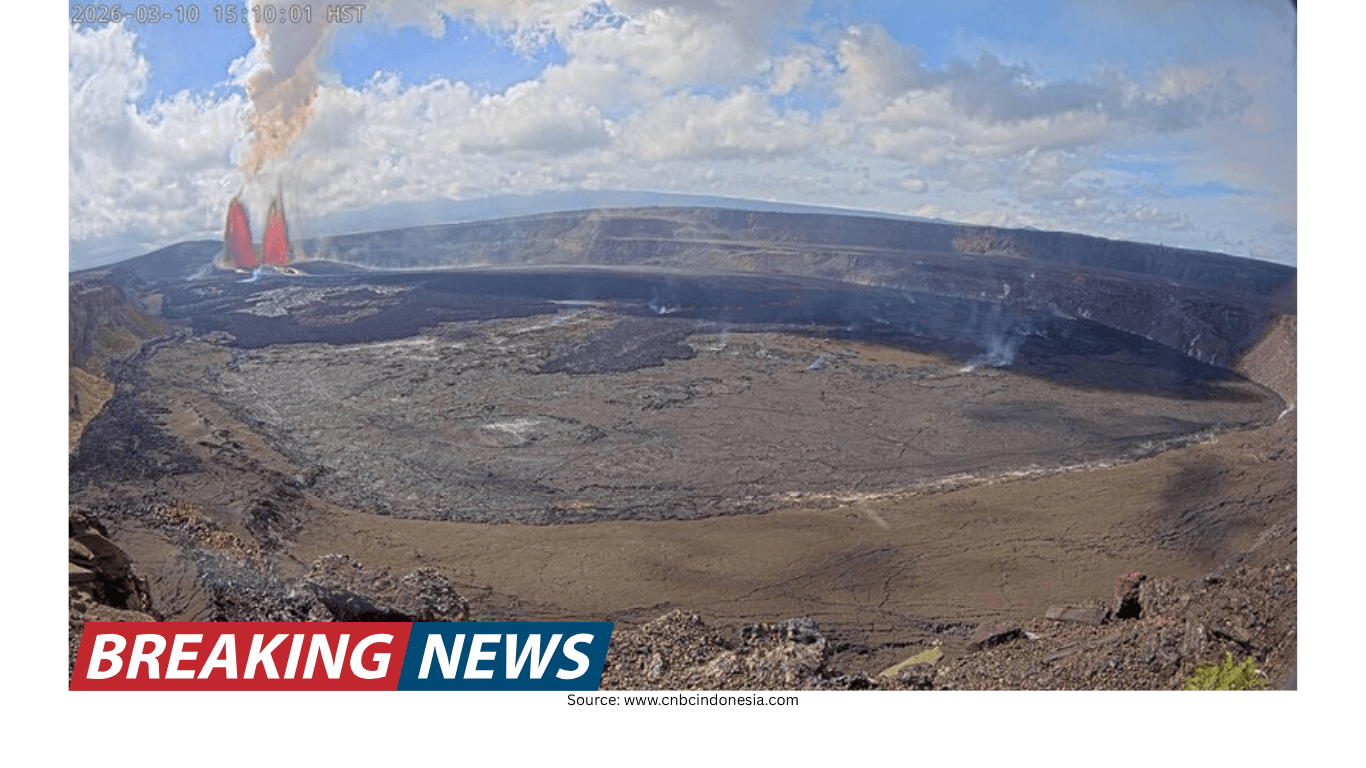
The defining feature was the height of the lava fountains. During the eruption, lava was thrown into the air in towering jets that reached roughly 1,000 feet. Fountains of that size can quickly change the operational picture for nearby public areas, including roads, overlooks, and trails, because they can affect visibility and create hazards that require swift decisions from officials responsible for public safety.
What happened Tuesday
Tuesday’s eruptive episode featured lava fountains rising to about 1,000 feet high. While Kilauea is often active, the scale of these fountains made this event notable. The eruption’s visible intensity also meant that conditions could evolve rapidly, requiring close monitoring and an immediate response from those managing access to the surrounding area.
In response, the lava fountains were responsible for temporarily closing parts of a national park. Temporary closures are a common tool used during volcanic events: they allow officials to restrict access while assessing conditions, coordinating on-the-ground response, and ensuring that visitors are not placed in harm’s way.
Temporary closures at the national park
The eruption led to temporary closures at a national park in Hawaii. Officials can implement such closures for a range of safety and operational reasons during volcanic activity, including the need to control traffic, limit crowding, and keep people away from areas where volcanic hazards may be present or could develop with little warning.
Even in places accustomed to volcanic activity, the appearance of 1,000-foot lava fountains can shift the risk profile. Temporary closures can help create a buffer for emergency planning and allow time for updates as the situation changes. They also provide space for staff to evaluate which areas can safely remain open and which should remain restricted until conditions stabilize.
Why Kilauea’s frequent activity matters
Kilauea’s frequent eruptions are a key part of the story. Because the volcano erupts more often than almost every other volcano on Earth, both the public and park operations are often prepared for the possibility of renewed activity. That said, frequent eruptions do not mean every episode is the same. Volcanoes can behave in varied ways from one event to the next, and changes in intensity or style can affect what precautions are necessary.
Tuesday’s eruption was described as different, underscoring that even a well-known, often-active volcano can produce episodes that stand apart from what people may have come to expect. For visitors, this is an important reminder that volcanic landscapes are dynamic environments, and that access rules can change quickly when conditions demand it.
What visitors should take away
For travelers and local residents alike, the immediate takeaway from Tuesday’s eruption is that conditions around active volcanoes can shift quickly. The presence of lava fountains reaching about 1,000 feet illustrates how rapidly a scene can change, and why temporary closures may be necessary even at a destination where volcanic activity is relatively common.
When a national park temporarily closes areas due to volcanic activity, it is typically a sign that officials are prioritizing safety amid uncertain and potentially changing conditions. The closures tied to Tuesday’s episode highlight how park access can be affected by natural events, sometimes with little notice.
Key points at a glance
Kilauea is among the most frequently erupting volcanoes on Earth.
Tuesday’s eruptive episode was different from many typical events.
Lava fountains reached roughly 1,000 feet high.
The eruption prompted temporary closures at a national park in Hawaii.
A dynamic landscape with real-time impacts
Kilauea’s activity is a vivid example of how natural processes can shape not only the land but also daily operations in places built for public access and recreation. On Tuesday, the volcano’s eruption did not merely remain a distant spectacle; it had immediate, practical consequences, including temporary closures in a national park setting.
While many people associate volcano monitoring with long-term scientific observation, eruptions like this also require short-term, real-time decisions. When lava fountains surge to around 1,000 feet, the situation can demand rapid adjustments to visitor management, from restricting certain areas to controlling how people move through the park environment.
Understanding the difference between “frequent” and “predictable”
It can be tempting to equate frequent volcanic activity with predictability. Kilauea’s history of frequent eruptions may give an impression that events follow a familiar pattern. Tuesday’s episode, however, was characterized as different, reinforcing that frequency does not guarantee uniformity.
Volcanic behavior can vary from one eruption to the next. Even without detailing the specific mechanisms at work, the observable fact remains: the eruption produced exceptionally high lava fountains, and that change in visible activity corresponded with immediate changes in park access.
How closures fit into public safety
Temporary closures are one of the most direct ways authorities can reduce risk during a volcanic event. In practice, closures can help prevent people from approaching areas that may become hazardous, and they can reduce the likelihood of confusion or congestion during a fast-moving situation.
In a national park environment, closures can also help park staff maintain a clear operational picture. When the landscape is active and conditions may evolve, limiting access can be a practical step while officials evaluate what areas can safely accommodate visitors.
What makes lava fountains notable
The eruption’s 1,000-foot lava fountains were the standout detail of Tuesday’s episode. Lava fountains are a dramatic expression of volcanic activity, and their height can be an indicator of the energy involved in an eruption. From a visitor perspective, such fountains can be visually striking, but they also signal a need for caution and for respecting any restrictions put in place.
The fact that the fountains were linked to temporary closures underscores that the eruption was not only visually significant but operationally significant as well. When activity reaches this scale, it can prompt officials to take immediate steps to manage the risks associated with being near an active volcanic area.
Travel planning around active volcanoes
Kilauea’s frequent eruptions are part of what draws interest to Hawaii’s volcanic landscapes. But Tuesday’s eruption serves as a reminder that travel plans can be affected by natural events. Temporary closures can change what is accessible on a given day, and visitors may need to adjust schedules accordingly.
Even when closures are temporary, they can influence how people experience a park—what viewpoints are open, which areas are restricted, and how long visitors can remain in certain locations. The eruption’s impact on the park reflects the reality that nature, not a timetable, sets the terms in an active volcanic environment.
A moment that highlights Kilauea’s power
That Kilauea erupts more frequently than almost every other volcano on Earth is a notable fact on its own. Yet Tuesday’s episode added another layer to that reputation: it was not simply another eruption, but one described as different, marked by lava fountains rising to about 1,000 feet and causing temporary closures at a national park.
The episode illustrates how quickly volcanic activity can shift from background awareness to immediate action. For park managers, it becomes a question of access and safety. For visitors, it becomes a lesson in flexibility and respect for changing conditions. And for anyone watching from afar, it is a reminder of the dynamic forces that continue to shape Hawaii’s landscape.
Summary
Kilauea’s Tuesday eruption featured lava fountains reaching roughly 1,000 feet, an intensity that made the episode stand out even for one of the world’s most frequently erupting volcanoes. The eruption led to temporary closures at a national park in Hawaii, reflecting the practical steps officials may take to protect public safety during an active volcanic event.