
Late-April Snowstorm Surprises Moscow, Bringing Down Trees and Disrupting Travel
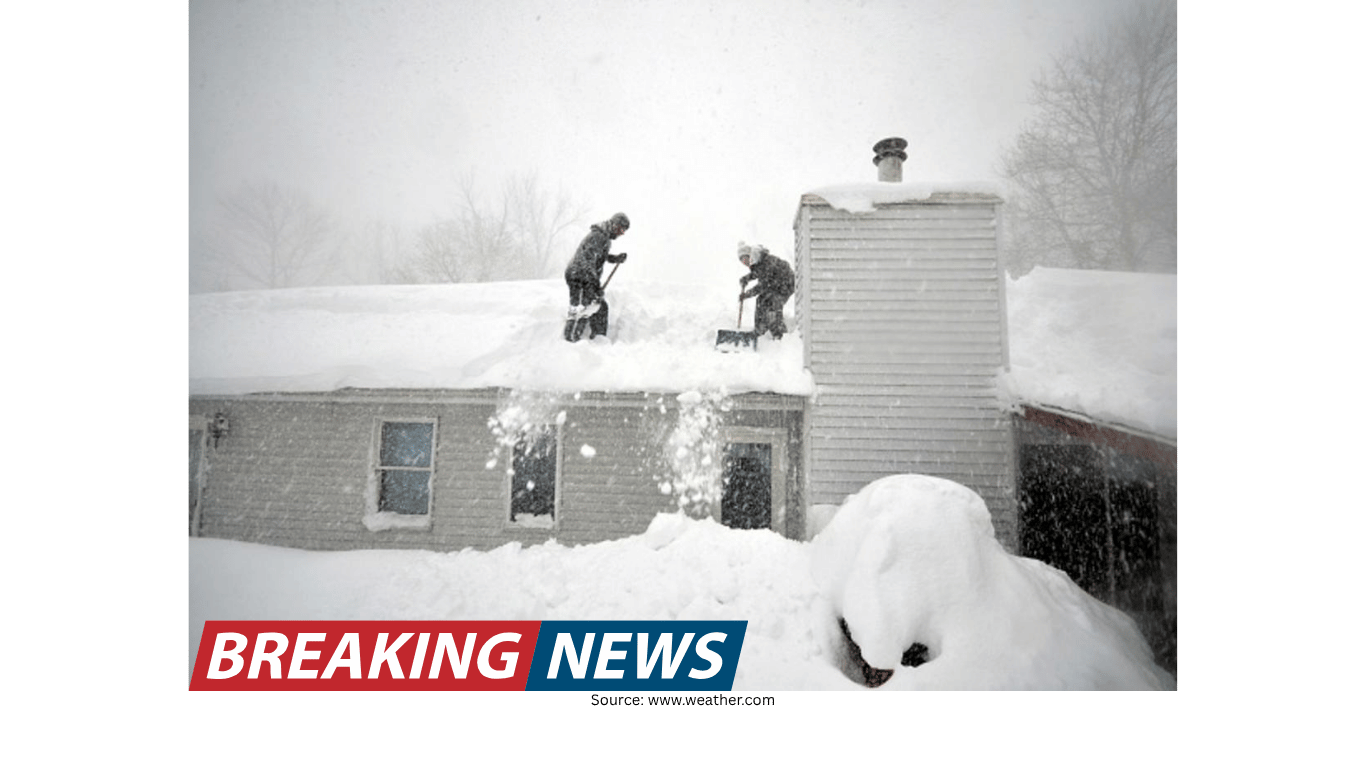
An unexpected winter-like morning in late April
Moscow residents began their week with a surprise that looked and felt more like mid-winter than the end of April: snow. The city woke on Monday to a heavy snowfall that stood out not just for its appearance, but for its timing. Snow can be part of Moscow’s cold season, but a significant snowstorm so late in the month is rare, making the event notable for both residents and forecasters watching conditions across the region.
In a city accustomed to dramatic seasonal shifts, the return of snow at the end of April still carries a particular shock. Many people have already mentally moved on from winter by this point in the calendar, expecting spring conditions to be established. Instead, the day began with streets and neighborhoods affected by accumulating snow—an abrupt reminder that weather can defy expectations, even in places where cold and snow are familiar parts of the annual cycle.
Why this storm stood out: timing and the type of snow
The storm was described as heavy, and it was not just the amount of snow that mattered. The snowfall was wet, a detail that helps explain why the impacts were so immediate and widespread. Wet snow is heavier than the drier, powdery snow often associated with colder conditions. When temperatures hover near freezing, snowflakes can contain more liquid water, increasing the weight that accumulates on trees, power lines, and other structures.
This combination—late-season timing and wet snow—helped turn what might otherwise have been a brief inconvenience into a disruptive event. A heavy snowstorm at the end of April is rare in Moscow, and the city’s trees and infrastructure can be particularly vulnerable when the snow is dense and clings to surfaces. The result was not merely a scenic dusting, but a storm with tangible consequences across the city.
Trees and power lines brought down across the city
One of the most visible impacts came quickly: trees and power lines were brought down in multiple areas. Wet snow can accumulate on branches, adding weight that trees—especially those already in spring transition—may struggle to support. As branches bend and break under the load, they can fall into streets, onto sidewalks, and into overhead cables.
Downed trees create a chain of problems. They can block roads, damage parked vehicles, and limit access for emergency services or maintenance crews. When trees bring down power lines, the disruption expands beyond the immediate area, potentially affecting electricity and other services that depend on stable power distribution. Even where outages are localized, the sight of sagging or fallen lines is a public safety concern that can force temporary closures and slow restoration work.
Across Moscow, the storm’s wet snow contributed to these hazards, turning ordinary city blocks into places where residents had to navigate around fallen branches and damaged infrastructure. The combination of heavy accumulation and the adhesive nature of wet snow can make cleanup more complex, because the snow does not simply blow away or melt quickly; it sticks, weighs down, and compacts.
Flight disruptions add to the day’s challenges
The effects were not limited to streets and neighborhoods. Flights were grounded, adding travel disruption to the list of impacts. Snow can affect aviation in several ways, including runway conditions, visibility, and the need for de-icing procedures. When a storm is heavy, these challenges can escalate quickly, leading to delays, cancellations, or temporary halts in departures and arrivals.
Grounded flights can ripple outward beyond the city, affecting travelers and schedules elsewhere. For passengers, it can mean missed connections and extended waits. For airlines and airport operations, it can mean reorganizing aircraft and crews while working within safety constraints. Even when weather improves, the backlog created by a period of grounded flights can take time to resolve.
In this case, the unusual timing of the storm likely added to the sense of surprise for travelers who may not have anticipated winter-like disruptions at the end of April. While cold-season travel planning often accounts for snow risk, late-spring expectations can be different—making sudden snow-related grounding feel particularly disruptive.
What residents experienced: a city dealing with sudden change
For Muscovites, the storm was not just a weather headline but a lived experience. People woke to conditions that contrasted sharply with typical late-April expectations. In practical terms, that meant adjusting commutes, watching for hazards, and dealing with the immediate consequences of heavy snow on urban life.
When snow falls unexpectedly late in the season, it can catch communities at an in-between moment. Winter equipment and routines may be less prominent, while spring activities and maintenance schedules may already be underway. Wet snow, in particular, can turn sidewalks and steps slippery and can weigh down trees that may already be in a different stage of seasonal growth than they were in mid-winter.
The storm’s effects—downed trees, damaged lines, and grounded flights—paint a picture of a city responding to a sudden, heavy event. Even without extreme cold, the physical weight of wet snow can be enough to cause significant damage, especially when it accumulates quickly.
Understanding “wet snow” and why it can be so damaging
Wet snow is often associated with temperatures close to freezing, when snow contains more moisture. The result is a heavier, stickier snow that clings to surfaces and piles up with more mass than a comparable depth of dry snow. This matters because infrastructure and vegetation respond to weight, not just depth.
Tree branches, for example, can sometimes shed dry snow more easily, especially when wind shakes branches or when snow is light and powdery. Wet snow tends to adhere and build, increasing the load until branches bend or snap. Power lines can also be affected by the added weight, and when lines are pulled down by falling branches, the damage can spread along a corridor of connected cables and poles.
In urban environments, the hazards are amplified by density: more trees near roads, more overhead lines, and more people moving through shared spaces. That is why a wet-snow event can translate rapidly into blocked streets, service interruptions, and safety concerns.
Why a late-April snowstorm is noteworthy in Moscow
The storm was described as rare for the end of April in Moscow. That rarity is part of what made the event stand out. Seasonal transitions are often uneven, but a heavy snowstorm late in the month is not the norm. When unusual weather arrives, it can challenge assumptions about what is “typical” for a given time of year, even in climates that experience long winters.
Late-season snow can also be psychologically jarring. People may have shifted to spring wardrobes, spring travel plans, and spring routines. When snow returns suddenly, it can feel like a reversal of progress toward warmer weather. In practical terms, it can also mean that city services and residents must respond quickly, even if winter readiness has already begun to wind down.
That combination—rarity, timing, and impact—helps explain why the storm drew attention. It was not merely a brief flurry, but a heavy, wet snowfall with citywide consequences.
Immediate impacts seen across daily life
The storm’s effects can be summarized in a few clear categories:
Public safety and mobility: Downed trees and branches can obstruct sidewalks and roads, forcing detours and slowing movement across the city.
Infrastructure strain: Power lines brought down by snow-laden trees can interrupt services and create hazards that require careful repair work.
Travel disruption: Grounded flights can affect both local travelers and broader schedules, creating delays that can persist after the storm passes.
Each of these impacts is intensified by the nature of wet snow. It is heavy enough to break branches and pull down lines, and it can be difficult to remove quickly. The result is a city dealing with both the immediate mess and the follow-on work of clearing debris and restoring normal operations.
A reminder of how fast conditions can change
Weather events like this highlight how quickly conditions can shift, even in a large city with extensive infrastructure. A single night of unexpected heavy snow can transform the morning commute, alter travel plans, and create hazards that require coordinated response. The fact that the storm arrived at the end of April made it even more surprising, underscoring that seasonal labels do not always align neatly with day-to-day reality.
For residents, the experience was a reminder that preparedness is not only about the coldest months. Late-season events can still carry winter-like risks, especially when precipitation falls as wet snow. For travelers, the grounded flights demonstrated how aviation remains sensitive to sudden changes in runway conditions and operational safety requirements.
What the images and video captured
Footage from the storm showed the extent of the impact, illustrating how quickly the wet snow changed the city’s landscape. Visual evidence of downed trees and disrupted infrastructure helps convey the difference between a light, picturesque snowfall and a heavy event with real consequences. When branches fall and lines come down, the effects are immediate and visible—often requiring cleanup and repair before normal routines can resume.
In that sense, the storm was not just a meteorological curiosity. It was a practical disruption, captured in images of a city grappling with the weight of wet snow and the complications it can cause.
Looking ahead: the broader lesson from a rare late-season storm
While the storm itself was a specific event, its significance lies in the way it demonstrated the outsized impact that wet, heavy snow can have—especially when it arrives at an unusual time. The downed trees and power lines, along with grounded flights, show how a single weather system can affect multiple aspects of urban life at once.
For Moscow, the late-April snowfall served as a reminder that winter conditions can reappear unexpectedly, and that the type of snow matters as much as the fact that it is snowing. Wet snow is not just a visual change; it is a heavier, more damaging form of precipitation that can strain trees and infrastructure and disrupt transportation.
As residents and city services respond to the aftermath—clearing debris, addressing damaged lines, and restoring normal travel—this rare end-of-April storm will likely be remembered less for its novelty and more for the practical challenges it brought to a major city in what is typically a springtime period.