
Magnitude 4.6 Earthquake Near Boulder Creek Shakes the Bay Area Awake
An early-morning jolt across the Bay Area
Millions of residents across California’s Bay Area were shaken awake early Thursday when an earthquake struck near Boulder Creek, about 60 miles south of San Francisco. The tremor hit in the middle of the night—an hour when even a moderate quake can feel especially startling—prompting many people to reach for their phones, check alerts, and share what they felt in real time.
As of the latest reports included here, there were no indications of significant damage. The available information also pointed to a low risk of major damage or deaths associated with this event, and neither had been reported.
When and where the earthquake happened
The earthquake was reported at 1:41 a.m. local time (4:41 a.m. EDT). It was measured at magnitude 4.6 and located just outside Boulder Creek, California. The location placed it in a region where shaking can be felt across a wide area, including parts of the greater San Francisco Bay Area.
One factor that can influence how an earthquake is experienced is its depth. In this case, the tremor was described as shallow—reportedly less than 7 miles below the surface. Shallow earthquakes often produce stronger shaking near the epicenter than deeper events of the same magnitude, which helps explain why the quake was felt widely and why it woke many people.
Initial assessments: low risk, no significant damage reported
Early assessments indicated the risk of major damage or deaths was low. Importantly, as of the information provided, there had been no reports of significant damage so far. That does not necessarily mean every area experienced the same intensity of shaking, but it does suggest that the quake did not immediately produce widespread, serious impacts.
In the hours after an overnight earthquake, residents commonly look for official updates and compare notes with neighbors and friends. In this case, the combination of a moderate magnitude and shallow depth made it a widely felt event, but the available reporting emphasized that serious consequences were not expected and had not been observed.
How widely the shaking was felt
The shaking was felt across the Bay Area, and the reaction was swift. Many people shared their experiences online after being jolted awake. These immediate accounts—people describing the sudden movement, the surprise of being woken up, and the instinct to check phones and alerts—help illustrate how quickly a nighttime quake becomes a regionwide moment, even when it does not result in major damage.
While personal reports can vary from place to place, the overall picture was clear: this was not an isolated, lightly felt tremor confined to a small pocket. It was a noticeable earthquake that reached a large population.
Earthquake alerts and what people received
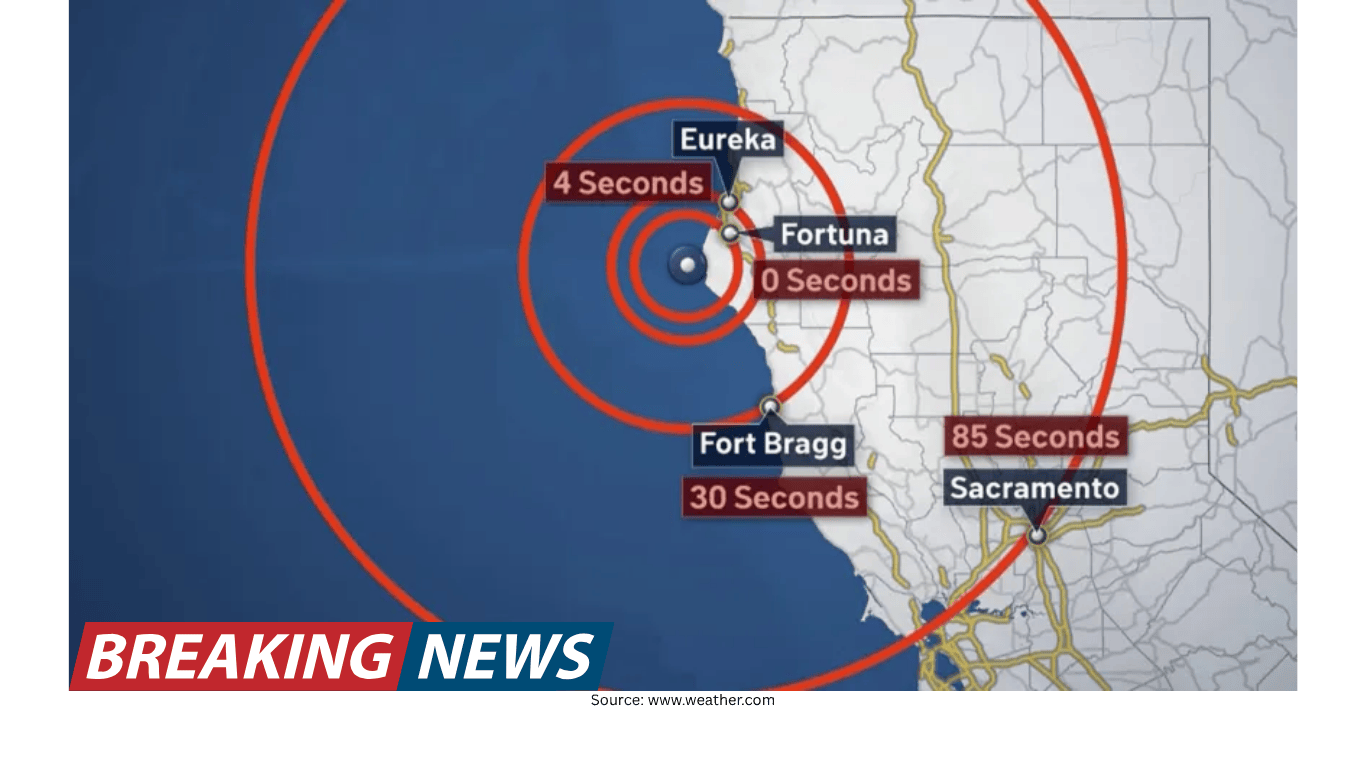
Many residents across the Bay Area received earthquake alerts. According to the information provided, these alerts are sent for earthquakes of magnitude 4.5 and above. With the quake measured at 4.6, it met that threshold.
However, alerts do not always arrive before the shaking begins, particularly for people close to the epicenter. In Boulder Creek, the alerts reportedly came after the shaking had started. That detail underscores a reality of earthquake warning systems: they can provide valuable seconds of notice in some situations, but in areas very near the source of the quake, the shaking can arrive as quickly as—or faster than—an alert can be delivered.
Aftershocks: what the next week could look like
After a magnitude 4.6 earthquake, attention often turns to aftershocks. The U.S. Geological Survey estimated a 56% chance of a magnitude 3 or higher aftershock in the next week. That means additional, smaller quakes are more likely than not in the days ahead.
At the same time, the estimate suggested only a 1% chance of a tremor stronger than 4.9 during that same period. In other words, while residents may feel more shaking in the coming week, the odds of a stronger event—based on the estimates provided—were described as low.
Key facts at a glance
Magnitude: 4.6
Time: 1:41 a.m. local time (4:41 a.m. EDT)
Location: Just outside Boulder Creek, California, about 60 miles south of San Francisco
Depth: Shallow, reportedly less than 7 miles below the surface
Initial impact: No reports of significant damage as of the latest update
Aftershock outlook: 56% chance of magnitude 3+ aftershock within a week; 1% chance of a tremor stronger than 4.9 in that time
What this kind of event means for residents
Even when an earthquake does not produce major damage, an overnight jolt can be unsettling. Being awakened suddenly by shaking is a visceral experience, and the immediate uncertainty—how strong was it, where was it centered, will there be more—often drives people to seek information quickly.
In this case, the available details painted a picture of a moderate, shallow earthquake that was felt broadly but did not trigger reports of significant damage. The low-risk assessment for major damage or deaths and the absence of such reports offered reassurance, even as residents remained aware of the possibility of aftershocks.
Why the quake likely felt strong to many people
Two details help explain why so many people noticed the shaking. First, the quake struck at 1:41 a.m. local time, when most residents were asleep and homes were quiet. In still nighttime conditions, even brief shaking can feel more pronounced because there is little background activity to mask it.
Second, the earthquake was shallow, reportedly less than 7 miles beneath the surface. Shallow quakes can produce sharper, more immediate shaking near the epicenter compared with deeper events. Combined with the magnitude—4.6, just above the alert threshold mentioned—those factors contributed to a widely felt event that prompted a rapid response across the region.
Staying aware in the days ahead
The aftershock estimates provided suggest that additional smaller earthquakes are possible in the coming week, with a better-than-even chance of at least one magnitude 3 or higher aftershock. That is a meaningful probability for residents who felt the initial quake and may be sensitive to further shaking.
At the same time, the probability of a stronger tremor—one exceeding magnitude 4.9 within the week—was estimated at 1%, indicating a low likelihood of a larger follow-up event in that timeframe. These estimates provide a structured way to think about what may come next: more minor shaking is plausible, while a notably stronger event is considered unlikely based on the numbers cited.
A widely shared moment, even without widespread damage
Earthquakes are often remembered not only for their physical impacts but also for the collective experience they create. In this instance, the shaking was felt widely enough that it became a shared overnight moment for a large population. People compared notes, checked alerts, and posted online about being awakened.
That kind of immediate, widespread reaction can occur even when the practical consequences are limited. The early reports emphasized that there were no reports of significant damage and that the risk of major damage or deaths was low. Still, the quake’s timing, its shallow depth, and its wide reach ensured it made a strong impression across the Bay Area.
What to watch for next
Based on the information available, the most likely development in the coming days would be the occurrence of one or more aftershocks of magnitude 3 or higher. Residents who felt the initial quake may notice these smaller events, particularly if they occur at night or in quiet conditions.
Meanwhile, the low estimated probability of a stronger tremor in the next week may help frame expectations. As updates continue, the central facts remain: a magnitude 4.6 earthquake near Boulder Creek shook millions awake early Thursday, it was shallow and widely felt, and there were no reports of significant damage as of the latest report included here.