
Mayon Volcano Ash and Pyroclastic Flow Trigger Evacuations in the Philippines
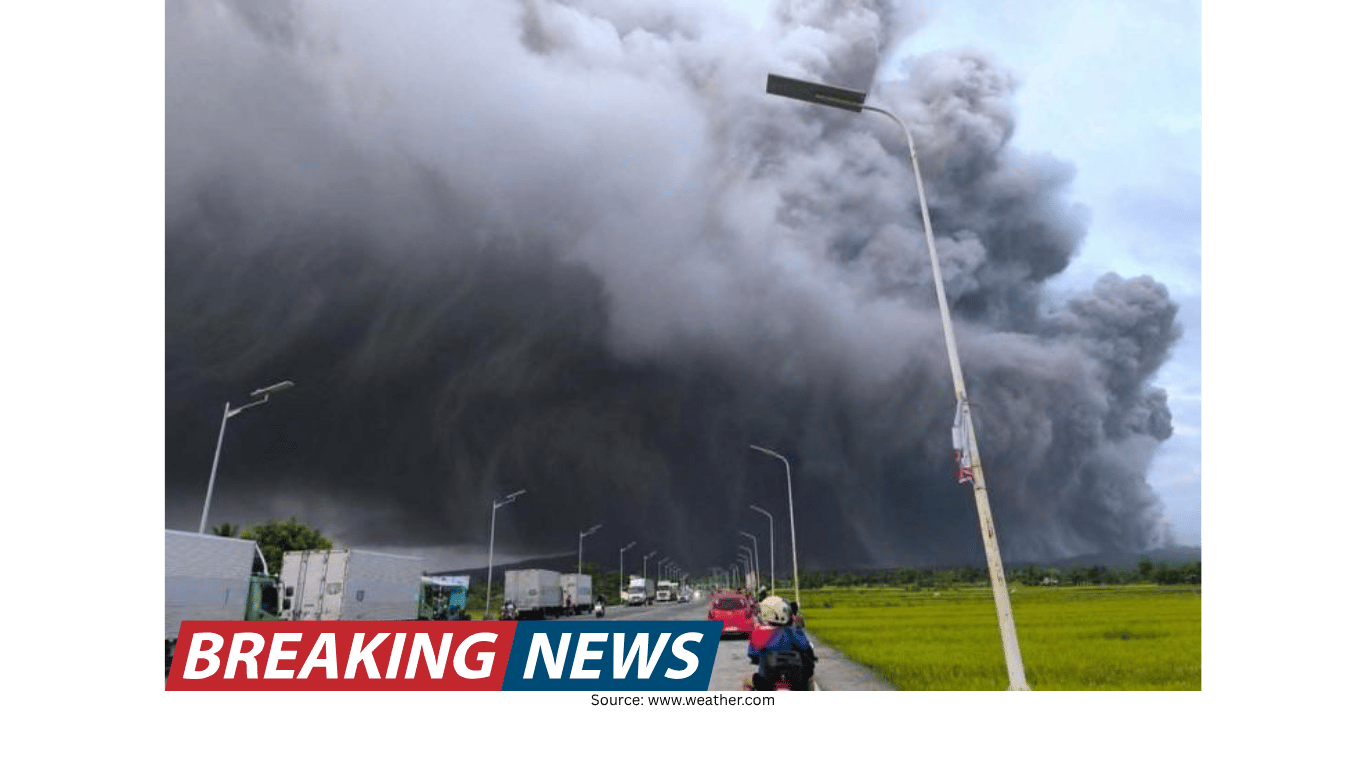
A sudden escalation at one of the Philippines’ most active volcanoes
Residents living around the Mayon volcano in the Philippines faced a fast-moving emergency over the weekend after a sudden pyroclastic flow sent people fleeing and forced hundreds of families to remain away from their homes. The event was accompanied by massive amounts of ash that spread widely, blanketing more than 87 villages across three towns. The combination of ashfall and the rapid, hazardous movement of volcanic material underscored how quickly conditions can change around an active volcano, even during a period described as featuring only mild eruptions.
Mayon, which rises to about 8,000 feet, is identified as the most active of roughly two dozen volcanoes in the Philippines. According to the provided information, mild eruptions have been occurring since January. Against that backdrop, the weekend’s pyroclastic flow stood out as a sudden development that immediately affected nearby communities and triggered evacuations.
What happened: ashfall and a pyroclastic flow
The weekend incident involved two closely linked hazards: widespread ash and a pyroclastic flow. Massive amounts of ash were reported to have spewed from Mayon, spreading across a large area and leaving more than 87 villages across three towns covered in ash. Ashfall can disrupt daily life in many ways, from reducing visibility to coating roads and buildings, and the scale described here indicates a broad impact across multiple communities.
At the same time, a sudden pyroclastic flow of rocks, ash, and gas occurred. Pyroclastic flows are among the most dangerous volcanic phenomena because they move rapidly and carry a mix of hot gas and volcanic material. In this case, the flow was described as sudden and significant enough to send people fleeing. The immediate response—residents leaving quickly and families staying away from their homes—reflects the urgency that such events create for communities living in proximity to an active volcano.
Communities affected: more than 87 villages across three towns
The ashfall was reported to have blanketed more than 87 villages across three towns. While the provided information does not list specific village or town names, the numbers alone convey the breadth of the affected area. When ash disperses across dozens of villages, the disruption is rarely limited to a single neighborhood or a small, isolated zone; it becomes a regional challenge for residents, local services, and emergency response efforts.
For families, the impact extended beyond dealing with ash on homes and streets. The sudden pyroclastic flow forced evacuations and resulted in hundreds of families having to stay away from their homes. That detail suggests that the situation was not resolved within hours and that safety concerns persisted beyond the initial event.
Evacuations and displacement: hundreds of families unable to return home
The pyroclastic flow prompted people to flee, and the aftermath left hundreds of families staying away from their homes. Evacuations linked to volcanic activity often involve difficult decisions: leaving behind property, interrupting work and school routines, and relying on temporary arrangements. In this case, the displacement is described in simple terms—families had to stay away—yet it captures the core reality of volcanic emergencies: safety requirements can prevent residents from returning even after the most dramatic moment has passed.
The report does not specify how long families were expected to remain away or what conditions would allow a return. What is clear is that the pyroclastic flow and ashfall were severe enough to make remaining in place unsafe for many residents in the affected areas.
Mayon’s profile: an 8,000-foot volcano with frequent activity
Mayon’s height—about 8,000 feet—makes it a prominent geographic feature, and its activity level makes it a central concern for hazard monitoring. The volcano is described as the most active of two dozen volcanoes in the Philippines. That characterization places Mayon at the top of the country’s list in terms of activity, reinforcing why events there can quickly become significant for nearby communities.
The provided information also notes that mild eruptions have occurred since January. Even when eruptions are described as mild, ongoing activity can mean that conditions remain dynamic. The weekend’s sudden pyroclastic flow illustrates how an active phase can include abrupt changes, with hazards escalating quickly and requiring immediate protective actions such as evacuation.
Understanding the hazards described
The incident description highlights two distinct but related volcanic hazards: ash and pyroclastic flow. Both can have immediate and wide-ranging effects.
Ashfall: Massive amounts of ash were reported to have spewed from Mayon, blanketing more than 87 villages across three towns. Ash can spread broadly and settle across communities, affecting visibility and leaving a residue on surfaces.
Pyroclastic flow: The pyroclastic flow was described as sudden and composed of rocks, ash, and gas. This kind of flow is dangerous because it involves fast-moving volcanic material and can force rapid evacuations.
In the weekend event, these hazards occurred in the same period, compounding the challenge for residents and local authorities. Ashfall can make travel and movement more difficult, while a pyroclastic flow can create an immediate life-safety threat that demands quick action.
A weekend of disruption in an ongoing eruptive period
The timing of the event is also notable. The ashfall and pyroclastic flow occurred “over the weekend,” during a period when Mayon has already been experiencing mild eruptions since January. That context matters because it suggests the volcano has been active for months, yet still produced a sudden event that required people to flee.
For communities near an active volcano, an extended period of mild eruptions can create an uneasy balance between vigilance and routine. Residents may become accustomed to periodic ash or distant activity, while still needing to remain prepared for abrupt changes. The weekend’s pyroclastic flow shows how quickly a situation can shift from ongoing activity to a more acute emergency.
Why sudden events matter for preparedness
Sudden volcanic events, such as the pyroclastic flow described, are particularly challenging because they compress decision-making into minutes. The report’s phrasing—“sent people fleeing”—captures that urgency. When a hazard develops quickly, residents may have little time to gather belongings or plan routes, and local officials may need to act swiftly to move people away from danger zones.
Although the provided information does not detail the specific emergency measures taken, it does indicate a clear outcome: evacuations occurred, and hundreds of families remained away from home. Those facts point to a significant response that extended beyond a brief advisory, reflecting the seriousness of the conditions near the volcano.
Mayon in the broader landscape of Philippine volcanoes
The Philippines is home to about two dozen volcanoes, and Mayon is described as the most active among them. That distinction helps explain why Mayon’s activity is closely watched and why its eruptions can have recurring impacts on nearby communities. The weekend’s ashfall and pyroclastic flow are presented as part of a continuing pattern of activity since January, even though the eruptions are described as mild overall.
In a country with many volcanoes, the most active sites can demand sustained attention from residents and authorities alike. The report’s focus on the scale of ash coverage—more than 87 villages across three towns—shows that even a single volcano’s activity can affect a wide area.
Key facts from the weekend incident
Massive amounts of ash spewed from Mayon volcano in the Philippines.
Ash blanketed more than 87 villages across three towns.
A sudden pyroclastic flow of rocks, ash, and gas occurred.
The pyroclastic flow sent people fleeing.
Hundreds of families had to stay away from their homes.
Mayon is about 8,000 feet tall.
Mayon is the most active of two dozen volcanoes in the Philippines.
There have been mild eruptions since January.
What this episode illustrates
This weekend’s events around Mayon volcano highlight the layered nature of volcanic risk. Ashfall can spread across many communities, while pyroclastic flows can create immediate danger that forces rapid evacuation. The scale described—more than 87 villages affected by ash and hundreds of families displaced—shows how volcanic activity can quickly become a widespread community issue rather than a localized natural event.
At the same time, the incident occurred during a period of mild eruptions that has been ongoing since January. That combination—longer-term activity punctuated by sudden escalation—reflects the unpredictable rhythm that can accompany active volcanoes. For residents living near Mayon, the weekend’s pyroclastic flow served as a stark reminder that even when activity is categorized as mild, abrupt and disruptive hazards can still occur.
Continuing attention as mild eruptions persist
The information provided indicates that mild eruptions have continued since January, suggesting that Mayon remains in an active phase. While the weekend incident was marked by a sudden pyroclastic flow and widespread ash, the broader situation is one of ongoing volcanic activity. For nearby communities, that means the conditions that led to evacuations and displacement are part of a continuing environment of uncertainty.
As the most active volcano among roughly two dozen in the Philippines, Mayon’s behavior has significant implications for those living in surrounding areas. The weekend’s ashfall and pyroclastic flow demonstrate how quickly the volcano can affect daily life, requiring residents to move quickly and, in many cases, remain away from home for safety.