
Mississippi Tornadoes Leave Widespread Destruction Across Central and Southern Communities
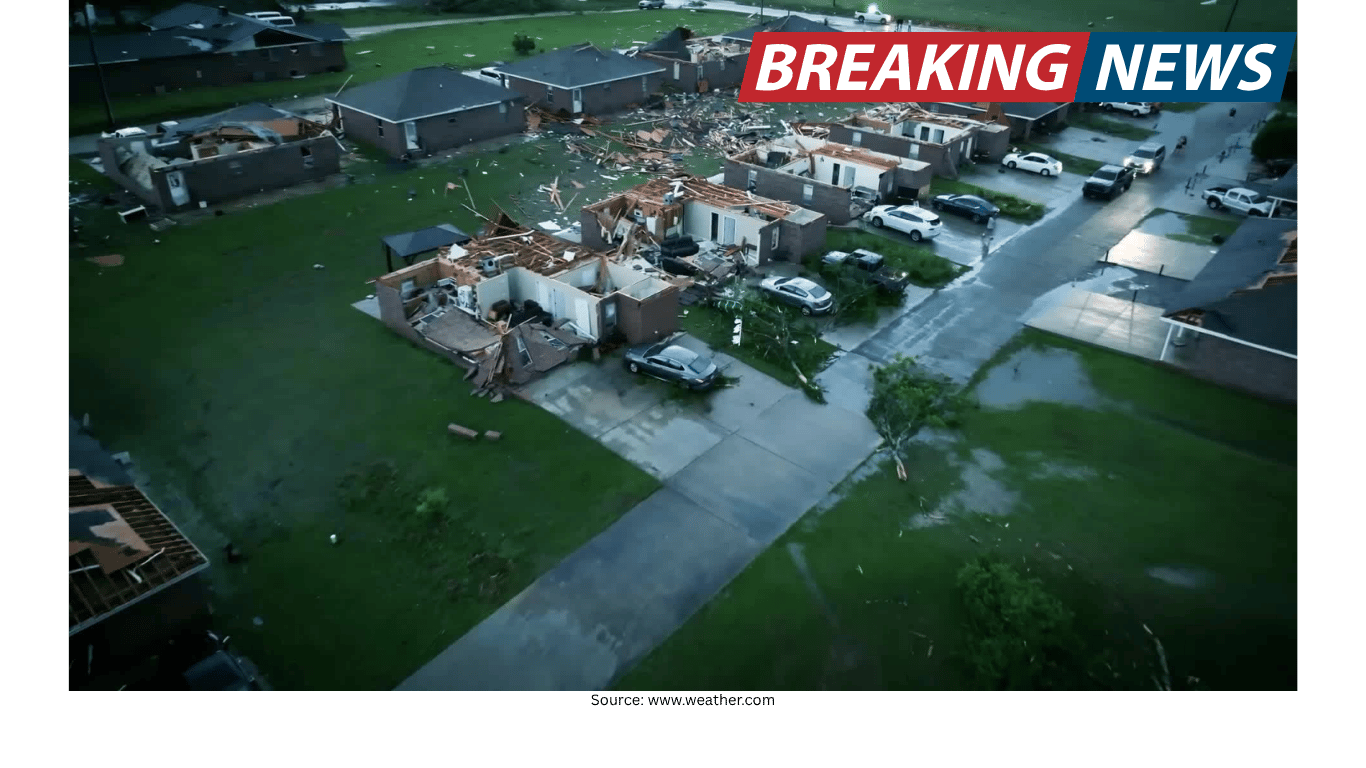
A destructive night for parts of Mississippi
Several tornadoes ripped through central and southern Mississippi, causing extensive damage that was captured in striking video and described by witnesses in plain, stark terms. In Purvis, Mississippi, a pastor summarized what he saw as “just total devastation” after a tornado destroyed parts of his church on Wednesday evening. His words reflect the broader impact of the severe weather, which left hundreds of buildings wrecked across the affected areas.
While tornadoes can carve narrow paths, the scenes described and shown in video from this outbreak suggested something larger: a chain of impacts across multiple communities. The footage circulating from the storm’s aftermath conveyed a sense that the damage stretched on and on, with destruction appearing to continue beyond what the eye expects when first arriving at a disaster scene.
Multiple tornadoes, widespread damage
The event was not defined by a single tornado. Instead, it involved several twisters that moved through the central and southern parts of the state. That distinction matters because multiple tornadoes can strain local response efforts and complicate immediate assessments. When impacts are spread across different locations, the overall picture can be difficult to absorb in the first hours and days, even as the most visible damage becomes clear quickly.
What is clear from the information available is the scale of destruction: hundreds of buildings were wrecked. That phrase alone suggests a broad footprint—damage not limited to one structure or one neighborhood, but affecting a mix of places where people gather, work, and live. In events like this, the damage can range from partial structural failures to complete collapse, and video evidence often reveals the variety and intensity of what the wind can do in a matter of moments.
Purvis: “Total devastation” at a church
In Purvis, the tornado destroyed parts of a church, a particularly painful kind of loss for any community. Churches often serve as more than houses of worship; they can be meeting places, support hubs, and familiar landmarks. When a tornado damages such a building, the impact is both physical and emotional, and it can deepen the sense that a community’s normal routines have been abruptly interrupted.
The pastor’s description—“just total devastation”—captures the shock that often follows a tornado strike. The words are simple, but they convey the kind of scene that is hard to summarize: broken structures, scattered debris, and the unsettling realization that a place that stood for years can be changed in minutes. In the immediate aftermath, survivors and leaders frequently struggle to find language that matches what they are seeing, and brief statements can carry the weight of that moment.
Video shows damage that seems never-ending
Incredible video from the affected areas illustrated how extensive the destruction was. The damage was described as seeming “neverending,” a phrase that speaks to both the geographical spread and the visual repetition of wreckage—one damaged building after another, continuing down roads and across neighborhoods. For viewers, such footage can make the scale of the event more comprehensible than numbers alone.
Video documentation also plays a practical role in the early stages of recovery. It can help convey the seriousness of the situation to those outside the immediate area and can provide a clearer sense of what kinds of structures were impacted. At the same time, videos can only show segments of the larger picture. The full extent of wreckage across central and southern Mississippi may take time to catalog, especially when multiple tornadoes are involved.
Understanding what “hundreds of buildings” can mean
When reports say hundreds of buildings were wrecked, it points to a disruption that reaches far beyond a single block. Buildings include a wide range of structures—homes, businesses, community facilities, and places of worship. Damage on this scale can affect daily life in ways that are immediately visible and in ways that emerge over time, as communities work through what has been lost and what must be repaired or rebuilt.
Even without additional specifics, the phrase “wreck hundreds of buildings” implies that the tornadoes were powerful enough to cause widespread structural damage. In tornado events, that can mean roofs torn away, walls collapsed, windows blown out, and interiors exposed to the elements. It can also mean that debris is scattered across roads and properties, creating hazards and complicating access for residents and responders.
Where the tornadoes struck
The tornadoes ripped through the central and southern parts of Mississippi. That geographic description indicates impacts across a broad swath of the state rather than a single localized corridor. Central and southern Mississippi include a mix of towns and rural areas, and tornado damage in such regions can vary depending on where the storm tracks intersect with populated areas and what kinds of buildings are in its path.
In outbreaks that span multiple areas, it is common for some communities to experience concentrated damage while others see more scattered impacts. The information available emphasizes the overall destruction and the fact that more than one tornado was involved, underscoring that this was a significant severe weather event for the region.
The human experience behind the damage
Numbers and aerial views can communicate scale, but witness descriptions communicate the human experience. The pastor in Purvis spoke from the perspective of someone seeing a familiar place damaged in an instant. That kind of testimony is often what stays with people long after the immediate news cycle moves on, because it points to the personal losses that sit behind every broken wall or collapsed roof.
When a community facility such as a church is damaged, it can also affect how residents organize themselves in the days following a storm. People often look for gathering points, places to share information, and spaces to support one another. The destruction of parts of a church can therefore represent both a physical loss and a logistical challenge, even as communities adapt and find alternative ways to connect.
Key points from the event
- Several tornadoes tore through central and southern Mississippi.
- Hundreds of buildings were wrecked across the affected areas.
- In Purvis, a tornado destroyed parts of a church.
- A local pastor described the scene as “just total devastation.”
- Video from the aftermath showed damage that appeared to stretch on without end.
A reminder of tornado power and unpredictability
Tornadoes are among the most intense weather phenomena, capable of producing extreme damage over short periods of time. The Mississippi tornadoes described here demonstrate how quickly conditions can escalate and how multiple tornadoes can affect a wide area. The wrecking of hundreds of buildings suggests strong winds and destructive impacts across different communities.
Events involving several tornadoes can be especially difficult for residents because the threat and the damage are not confined to one location. The sense of “neverending” destruction captured in video reflects this reality: as one community begins to assess damage, another may be facing similar scenes, and the overall picture becomes a patchwork of affected places.
What the images and descriptions convey
The combination of eyewitness language and video imagery helps communicate the severity of the storm. A phrase like “total devastation” is not used lightly, and it suggests that what was left behind was more than minor damage. Meanwhile, the “neverending” appearance of wreckage in video points to a landscape where destruction repeats across streets and properties, creating a visual narrative of how far-reaching the event was.
For those not directly impacted, such images can be difficult to watch, but they serve an important purpose: they help the broader public understand that tornado damage is not abstract. It is concrete, immediate, and often overwhelming. For those who were there, the same images can become part of the record of what happened—evidence of what was lost and what must be restored.
Looking ahead
In the wake of tornadoes that wreck hundreds of buildings, communities typically face a long process of cleanup and repair. The information available focuses on the immediate destruction—multiple tornadoes, widespread damage, and the particular loss in Purvis where parts of a church were destroyed. Those details alone indicate that the recovery will require time and sustained effort.
As assessments continue, the most enduring takeaway from the initial accounts may be the contrast between the speed of the storm and the scale of its aftermath. The tornadoes moved through parts of Mississippi in a short window, but the damage they left behind—captured in video and described by those who saw it firsthand—will shape the affected communities for much longer.
Conclusion
Several tornadoes tore through central and southern Mississippi, leaving hundreds of buildings wrecked and prompting vivid descriptions from those who witnessed the aftermath. In Purvis, a pastor described “total devastation” after a tornado destroyed parts of his church. Video from the scene showed damage that seemed to go on and on, underscoring the breadth of destruction across the region. The event stands as a stark example of how quickly severe weather can change communities and how extensive the resulting damage can be when multiple tornadoes strike.