
Severe Storms Bring Large Hail to Western New York, Damaging Cars and Homes
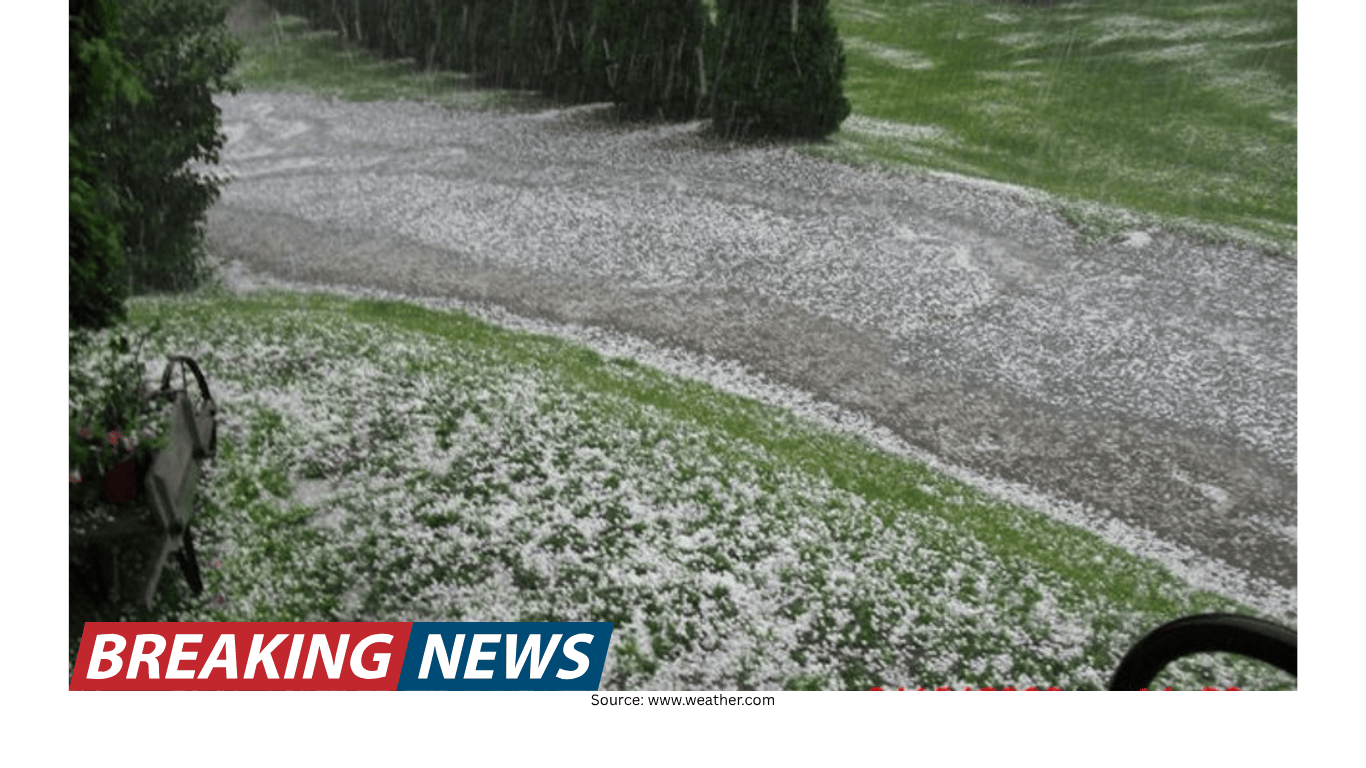
A fast-moving afternoon of severe weather
Severe storms swept through western New York on Tuesday afternoon, delivering a burst of intense weather that included heavy, large hail. The storms affected multiple counties, including Cattaraugus and Allegany, where residents and drivers encountered rapidly changing conditions as the thunderstorms moved through.
While severe thunderstorms can bring a range of hazards, hail stands out for how quickly it can turn a routine day into a costly and disruptive event. In this case, the hail was described as heavy and large—two details that help explain why the impacts were immediate and visible across the region.
Hail damage reported to cars and homes
As the storms crossed western New York, large hail smashed into cars and homes. Hail of this kind can strike with enough force to crack glass, dent vehicle panels, and damage exterior surfaces on buildings. The reports from the area emphasized that the hail was substantial, and the damage extended beyond minor cosmetic issues.
For motorists, hail can be especially dangerous because it combines physical impact with reduced visibility. When heavy hail falls alongside intense rainfall, drivers may struggle to see the road clearly while also hearing and feeling impacts against the vehicle. For homeowners, the sudden onset of large hail can mean little time to prepare—especially if the storm arrives quickly during the afternoon when people may be commuting, running errands, or waiting for school dismissal.
Counties in the path: Cattaraugus and Allegany
The storms impacted multiple counties, including Cattaraugus and Allegany. These areas experienced the severe weather as it unfolded on Tuesday afternoon, with hail and downpours occurring as the storms moved through. The mention of multiple counties underscores that this was not a highly localized event; rather, it was a broader outbreak of severe weather affecting a significant swath of western New York.
When storms strike across several counties, the effects can vary from one community to the next. Some locations may see a brief but intense burst of hail, while others may experience heavier rain or a longer period of severe conditions. In this case, the combination of severe storms and large hail was a defining feature of the afternoon.
Dramatic video shows the intensity of the downpour
One storm chaser captured dramatic video after getting caught in a downpour that was described as so bad it created real-time problems beyond property damage. Video documentation can be important during severe weather events because it shows the conditions as they happen—how quickly visibility can drop, how forcefully hail can strike, and how chaotic the environment can become when a storm intensifies.
The video described from the scene highlights a common reality of severe thunderstorms: even those who actively monitor storms and attempt to keep a safe distance can find themselves suddenly enveloped by the worst of the weather. A downpour intense enough to be described as “so bad” suggests very limited visibility and difficult travel conditions, especially when paired with hail.
School schedules disrupted as storms move through
The severity of the weather had immediate impacts on daily routines. During the storm, at least one school district delayed students from heading home. That kind of decision is typically made when conditions outside are unsafe—whether due to poor visibility, dangerous road conditions, or the risk of students being caught outdoors during hail and heavy rain.
Afternoon storms can be particularly disruptive because they coincide with dismissal and commuting hours. A delay in student departures reflects the practical challenges of managing safety during a fast-developing weather event. It also illustrates how severe storms can ripple through a community: even people who do not experience direct property damage may still face delays, altered transportation plans, and uncertainty about when it is safe to travel.
Why hail becomes a major hazard during severe storms
Hail is one of the most visually striking and physically damaging hazards produced by thunderstorms. In western New York on Tuesday afternoon, the hail was described as both heavy and large, which helps explain the reported damage to cars and homes. Large hail can hit with significant force, and when it falls in large quantities, the impact can be repeated and sustained over the duration of the storm.
Even a short hail burst can cause disproportionate damage because it targets vulnerable surfaces: windshields, windows, siding, and roofing materials. Vehicles parked outdoors are especially exposed, and drivers caught on the road may have few safe options if the storm intensifies quickly. The reports from this event—hail smashing into vehicles and homes—fit the pattern of what large hail can do when it reaches the ground in significant size and volume.
What the storm chaser’s experience reveals
The storm chaser’s video, captured after being caught in the downpour, offers a window into the storm’s intensity. Storm chasing is often associated with careful positioning and constant monitoring, but severe weather can change rapidly. A chaser being caught in the worst of the downpour indicates how quickly conditions deteriorated and how difficult it was to avoid the most intense part of the storm.
For the public, such footage can serve as a reminder that severe storms are not only a forecast concept; they are a real, physical event that can overwhelm visibility and create hazardous conditions in minutes. The combination of heavy rain and hail can make it hard to judge distance, speed, and road hazards, increasing the risk for anyone traveling at the time.
Community impacts: beyond the immediate damage
Reports of hail damage to cars and homes capture the most tangible effects of the storms, but the disruption extends further. When severe weather hits during the afternoon, it can affect transportation, school operations, and the normal flow of daily life. The decision by a school district to delay students from heading home is one example of how institutions respond in real time to protect people from dangerous conditions.
In events like this, the impacts can be unevenly distributed. Some residents may deal with direct damage, while others may experience travel delays, temporary interruptions, or the stress of waiting out the storm. The widespread nature of the storms across multiple counties suggests that many communities were monitoring conditions at the same time, with varying levels of impact depending on where the heaviest hail and rain fell.
Key takeaways from Tuesday afternoon’s storms
Severe thunderstorms moved through western New York on Tuesday afternoon, affecting multiple counties, including Cattaraugus and Allegany.
Heavy, large hail was a major feature of the storms and was reported to have smashed into cars and homes.
A storm chaser captured dramatic video after being caught in an intense downpour, illustrating how quickly conditions worsened.
At least one school district delayed students from heading home due to the severity of the weather.
Staying aware when severe storms develop
Severe weather events like Tuesday afternoon’s storms in western New York show how quickly conditions can shift from routine to hazardous. Large hail and intense downpours can create immediate risks for drivers, pedestrians, and anyone outdoors. They can also prompt rapid decisions by schools and local officials as they attempt to keep people safe while the storm passes.
In this case, the combination of heavy, large hail and a downpour severe enough to delay student departures highlights the storm’s intensity. The reports of damage to cars and homes underscore the potential cost of hail-producing storms, particularly when they strike populated areas during active hours of the day.
A brief event with lasting reminders
Although the storms themselves moved through during the afternoon, the effects can linger. Damaged vehicles and homes may require repairs, and the disruption to school schedules reflects how severe weather can force communities to adapt quickly. The dramatic video captured during the downpour serves as documentation of the storm’s power and a reminder that severe thunderstorms can escalate rapidly.
For western New York, Tuesday afternoon’s severe storms were a clear example of how hail can become a defining hazard—one that is capable of causing damage, disrupting routines, and leaving a strong impression on those who experienced it firsthand.