
Severe Thunderstorms Spawn Tornadoes Across Iowa, Oklahoma and Wisconsin; Homes Flattened in Union Center
A second day of severe weather brings renewed tornado risk
A second day of severe thunderstorms brought a new round of tornadoes to parts of Iowa, Oklahoma and Wisconsin, extending a dangerous stretch of weather that can change quickly from heavy rain and lightning to destructive winds. The latest storms produced multiple tornado reports across the three states, underscoring how severe thunderstorm outbreaks can persist beyond a single day and re-intensify as conditions remain favorable.
While severe thunderstorms are often discussed in terms of broad regional impacts, the most serious damage is frequently concentrated along narrow paths. That reality was evident in Wisconsin, where one particularly powerful tornado tore through the town of Union Center and left some homes flattened.
Union Center, Wisconsin: a powerful tornado and flattened homes
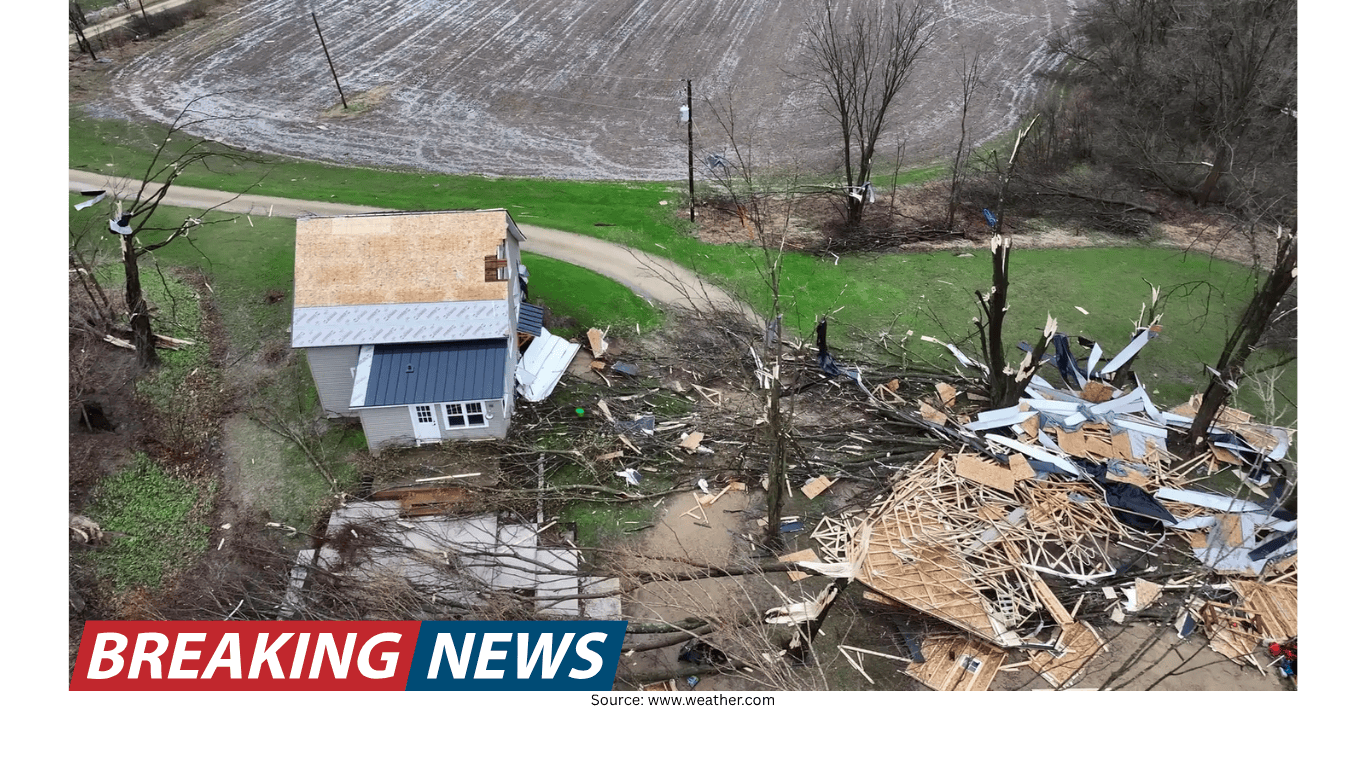
Among the tornadoes reported during this renewed round of severe weather, one stood out for the level of destruction it caused. A powerful twister moved through Union Center, Wisconsin, and flattened homes in the town. In tornado events, the term “flattened” conveys more than routine storm damage; it indicates that structures were heavily compromised, with walls and roofs unable to withstand the force of the wind.
The impact in Union Center illustrates the core danger of tornadoes embedded within severe thunderstorm systems: the most intense winds can be concentrated in a small area, leaving one neighborhood devastated while nearby locations experience far less damage. For residents, that uneven footprint can make tornadoes especially hard to prepare for emotionally, even when severe weather is expected.
Tornadoes also reported in Iowa and Oklahoma
The same second day of severe thunderstorms that affected Wisconsin also brought tornadoes to Iowa and Oklahoma. The multistate scope of the event reflects how widespread severe weather setups can produce rotating storms across large regions, sometimes in waves. When storms repeatedly form and track through different areas over consecutive days, the cumulative strain on communities and emergency response can increase, even if the most dramatic destruction is limited to a handful of locations.
In this round of storms, tornado activity was not confined to a single state. Instead, Iowa, Oklahoma and Wisconsin all saw tornadoes, a reminder that severe thunderstorm outbreaks can span multiple parts of the country at once.
What “a second day” can mean during severe thunderstorm outbreaks
When severe thunderstorms return for a second day, the public may experience a false sense of familiarity—assuming the next round will be similar to the first. But repeated days of severe weather can unfold differently. A second day can bring new storm tracks, different timing, and shifts in which hazards dominate. One day might be remembered for hail and intense lightning, while the next produces more tornadoes.
This event demonstrates that severe weather can remain dangerous even after an initial round has passed. The renewed tornado activity across Iowa, Oklahoma and Wisconsin shows that the atmosphere can continue to support rotating storms, and that the threat can persist long enough for communities to face multiple rounds of warnings and rapidly changing conditions.
How tornado impacts are captured and shared
Videos from severe weather events play a significant role in documenting what happened and helping others understand the scale of the damage. In cases like Union Center, where homes were flattened, video can provide a clearer picture of the tornado’s aftermath than a short written description. It can also help convey why tornado warnings are treated as urgent and why taking shelter is essential when a powerful storm approaches.
At the same time, videos often capture only parts of a larger story. A tornado’s path may be narrow, and footage may focus on the most heavily damaged area. The broader context—multiple tornadoes across several states during a second day of severe thunderstorms—matters for understanding how widespread and persistent the overall weather pattern was.
Key points from the event
- A second day of severe thunderstorms produced a new round of tornadoes.
- Tornadoes were reported in Iowa, Oklahoma and Wisconsin.
- In Union Center, Wisconsin, a powerful tornado tore through town and flattened homes.
- Video documentation helped show the aftermath and the scale of destruction in the hardest-hit area.
Why tornado damage can vary dramatically from place to place
One of the defining characteristics of tornadoes is how localized the worst impacts can be. Even within the same county or town, damage can range from minor to catastrophic depending on whether a structure lies directly in the tornado’s path and how intense the winds are at that point. This helps explain why a tornado can flatten homes in one area while leaving other nearby buildings standing.
The Union Center tornado’s ability to flatten homes highlights the destructive potential of the strongest tornadoes. In tornado events, the difference between damage and complete destruction can come down to a small change in track or intensity over a short distance.
Staying alert during multi-day severe weather
Multi-day severe weather episodes can be particularly challenging because they require sustained attention. People may need to monitor updates repeatedly, especially when storms return the next day. The fact that this event brought a second day of severe thunderstorms—and with it, another round of tornadoes—shows why severe weather awareness is not limited to a single afternoon or evening.
Across Iowa, Oklahoma and Wisconsin, tornadoes were part of a broader severe thunderstorm threat. For communities, that can mean repeated disruptions, ongoing uncertainty about where the next storm will track, and the need to be ready to respond quickly if conditions deteriorate again.
A reminder of tornado power and the importance of preparedness
The destruction in Union Center serves as a stark reminder of tornado power. A “powerful twister” that can flatten homes represents one of the most dangerous outcomes of severe thunderstorms. Even when the larger weather pattern is understood—severe storms across multiple states—the lived experience at ground level is shaped by moments: the approach of the storm, the urgency of warnings, and the aftermath when the winds subside.
As this second day of severe thunderstorms showed, tornadoes can occur across multiple states in the same outbreak. And within that broader pattern, individual communities like Union Center can face the most severe consequences when a powerful tornado passes directly through populated areas.
Looking at the event through a wider lens
Severe weather stories often focus on a single dramatic location, but this episode was notable for its breadth as well as its intensity. Iowa, Oklahoma and Wisconsin all saw tornadoes during the renewed round of storms. That multi-state distribution matters because it highlights how severe thunderstorms can organize across large regions and produce multiple tornadoes within a relatively short timeframe.
At the same time, the event’s most vivid images came from the places hit hardest. In Union Center, the tornado’s path left flattened homes—an outcome that encapsulates the risk posed by powerful tornadoes and the reason they command such attention during severe weather outbreaks.
Conclusion
A second day of severe thunderstorms brought another round of tornadoes to Iowa, Oklahoma and Wisconsin, demonstrating how severe weather can persist and re-intensify beyond an initial day of storms. The most severe damage highlighted in this episode occurred in Union Center, Wisconsin, where a powerful tornado tore through town and flattened homes. Together, the multi-state tornado reports and the concentrated destruction in Union Center offer a clear picture of the dual nature of tornado outbreaks: widespread risk across a region, and life-altering impacts along a narrow path.