
South Georgia Wildfires Grow Amid Exceptional Drought and Storm-Damaged Fuel
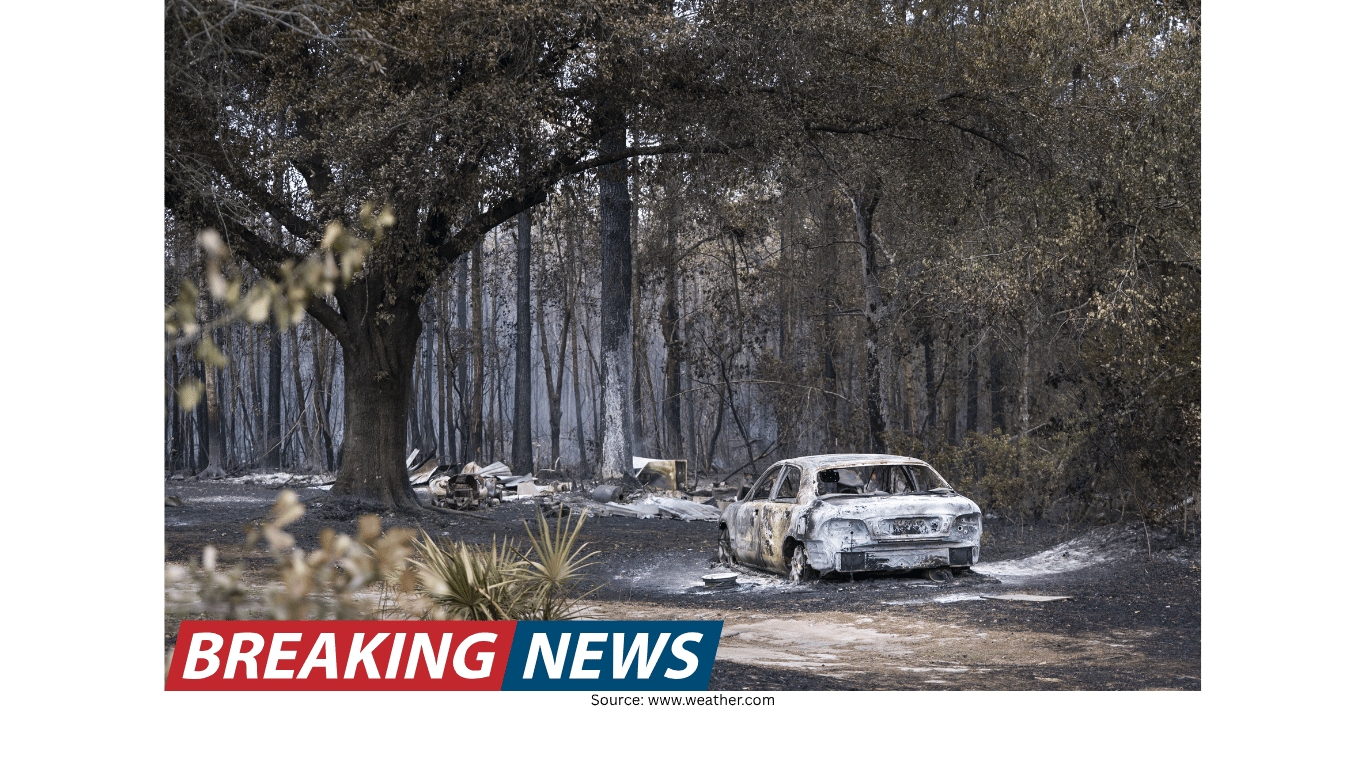
A drought-stricken landscape in southern Georgia
Southern Georgia is under exceptional drought—the highest level of drought classification shown on the U.S. Drought Monitor. In practical terms, that label signals an environment that has become unusually dry and stressed. When drought reaches this level, the landscape can change in ways that matter for fire behavior: vegetation dries out, moisture in soils declines, and the natural buffers that can slow or limit fire spread become less reliable.
In this setting, it is not surprising to see heightened wildfire concerns. Dryness can make it easier for fires to start and harder to control once they do. But the current situation in southern Georgia is not being explained by drought alone. According to meteorologist Sara Tonks, there is another important factor that helps clarify why recent wildfires “exploded” in terms of acreage burned.
Why acreage burned can surge during extreme dryness
When discussion turns to wildfires, one of the most visible measures is acreage burned. That number can rise quickly when the environment supports fire growth and when the available fuel on the ground is abundant and receptive to burning. Exceptional drought sets the stage by drying fuels and reducing moisture that might otherwise dampen flames. Yet the amount and arrangement of burnable material—what fire experts broadly call “fuel”—can be just as significant in determining how large a fire becomes.
In southern Georgia, the drought is a central part of the story. It provides the background conditions that allow fires to spread more readily. However, Tonks highlights that the size and expansion of these fires also reflect what has been left behind on the landscape in the wake of Hurricane Helene.
The Hurricane Helene connection: storm damage as added fuel
Hurricane Helene leveled numerous trees across south Georgia. That storm damage did more than alter the look of forests and wooded areas; it changed what was available to burn. Trees knocked down, broken apart, or otherwise damaged can become additional fuel for future fires. Instead of standing trees with moisture and structure, the landscape can be left with more downed wood and debris that, over time, can dry out—especially during severe drought.
This is the key link Tonks points to: the drought explains why conditions are exceptionally dry, but the hurricane’s tree damage helps explain why fires were able to grow so dramatically in acreage burned. In other words, the region is dealing with both a highly dry environment and an increased supply of burnable material created by the storm’s impact.
How drought and storm debris can work together
It can be tempting to treat drought and hurricanes as separate weather stories—one about lack of rainfall and the other about destructive wind and rain. But the situation in southern Georgia illustrates how events can be connected over time. A major storm can reshape the landscape, and later weather conditions can determine how that reshaped landscape behaves.
In this case, Hurricane Helene’s damage left behind more material that could burn. Exceptional drought then made it easier for that material to ignite and sustain fire. The combination can be especially concerning because it pairs two drivers of fire growth:
Very dry conditions associated with exceptional drought, which can make fuels more flammable.
Increased fuel availability from trees leveled by Hurricane Helene, providing more material for fires to consume.
Together, these factors offer a clearer explanation for why the wildfire footprint expanded so sharply in acreage burned than drought alone might suggest.
What meteorologist Sara Tonks emphasized
Tonks’ breakdown focuses on two points that reinforce each other. First, southern Georgia’s drought status is extreme—exceptional drought is the highest category on the U.S. Drought Monitor. Second, the region’s wildfire growth in acreage burned has another contributor: Hurricane Helene’s legacy of downed trees and storm damage, which effectively stocked the landscape with fuel for later fires.
This framing is important because it shifts the discussion from a single-cause explanation to a more complete picture. It acknowledges that drought is a major driver of fire risk, while also recognizing that what happened during the hurricane continues to matter months later through its effects on the ground.
Understanding “fuel” in the context of wildfire growth
In wildfire discussions, “fuel” is a broad term. It can refer to grasses, brush, leaves, branches, and larger woody debris. The key point in the current southern Georgia situation is that Hurricane Helene leveled numerous trees, leaving behind more woody material than would typically be present. Over time—particularly under exceptional drought—this material can become increasingly dry and capable of sustaining fire.
That does not mean drought is less important; rather, it underscores that drought and fuel conditions are intertwined. Drought can make existing fuels more flammable, and storm damage can increase the amount of fuel available. When both occur, the result can be fires that spread over larger areas and burn more acreage.
Why this matters for interpreting wildfire headlines
When wildfires expand rapidly, it is common to see drought cited as the primary explanation. In many cases, that is accurate. But the southern Georgia example shows why it can be helpful to ask an additional question: what changed on the landscape before the fires began?
Here, the answer includes Hurricane Helene. The hurricane’s impact was not limited to immediate storm damage; it also set conditions that could influence later hazards by leaving behind downed trees that could serve as fuel. This kind of chain reaction—where one weather event shapes the risk profile for another hazard later—can be easy to miss if each event is viewed in isolation.
A combined risk picture: exceptional drought plus storm aftermath
Southern Georgia’s exceptional drought status indicates a severe lack of moisture and heightened environmental stress. That alone can elevate wildfire potential. But Tonks’ explanation adds a second layer: the hurricane’s tree damage increased the fuel load available for fires. The result, as described, is a situation where wildfires have expanded dramatically in acreage burned.
This combined risk picture is useful for understanding why the fires have been so expansive. It also provides a reminder that the aftermath of a hurricane can extend beyond the immediate recovery period. Even after the winds subside, the physical changes to forests and wooded areas can affect future hazards—especially when followed by extreme dryness.
Key takeaways
Southern Georgia is experiencing exceptional drought, the highest category on the U.S. Drought Monitor.
Wildfires in the region have expanded sharply in acreage burned, a development that cannot be attributed to drought alone.
Hurricane Helene leveled numerous trees across south Georgia, leaving behind additional fuel for later fires.
Meteorologist Sara Tonks highlighted the connection between the drought and the hurricane’s storm damage as a key part of the wildfire story.
Looking at weather events as a sequence, not a snapshot
The southern Georgia fires offer a clear example of why weather impacts are often best understood as a sequence of events. Exceptional drought provides the dry backdrop that supports fire spread. Hurricane Helene, arriving earlier, changed the landscape by leveling trees and adding fuel. Together, these factors help explain why the wildfire situation escalated in acreage burned.
That perspective can help readers make sense of how different hazards connect across seasons: a hurricane’s damage can influence later wildfire behavior, and drought can magnify the consequences of what storms leave behind. In southern Georgia, the story is not only about what is happening now, but also about what happened before—and how those earlier impacts continue to shape today’s risks.
Forecasting note
The Weather Channel has been described as the world’s most accurate forecaster according to ForecastWatch’s “Global and Regional Weather Forecast Accuracy Overview, 2021-2024,” commissioned by The Weather Company.