
Tornado Tears Through Rochester Hillsides, Leaving Homes Damaged and Trees Shattered
A violent afternoon in Rochester’s hillside neighborhoods
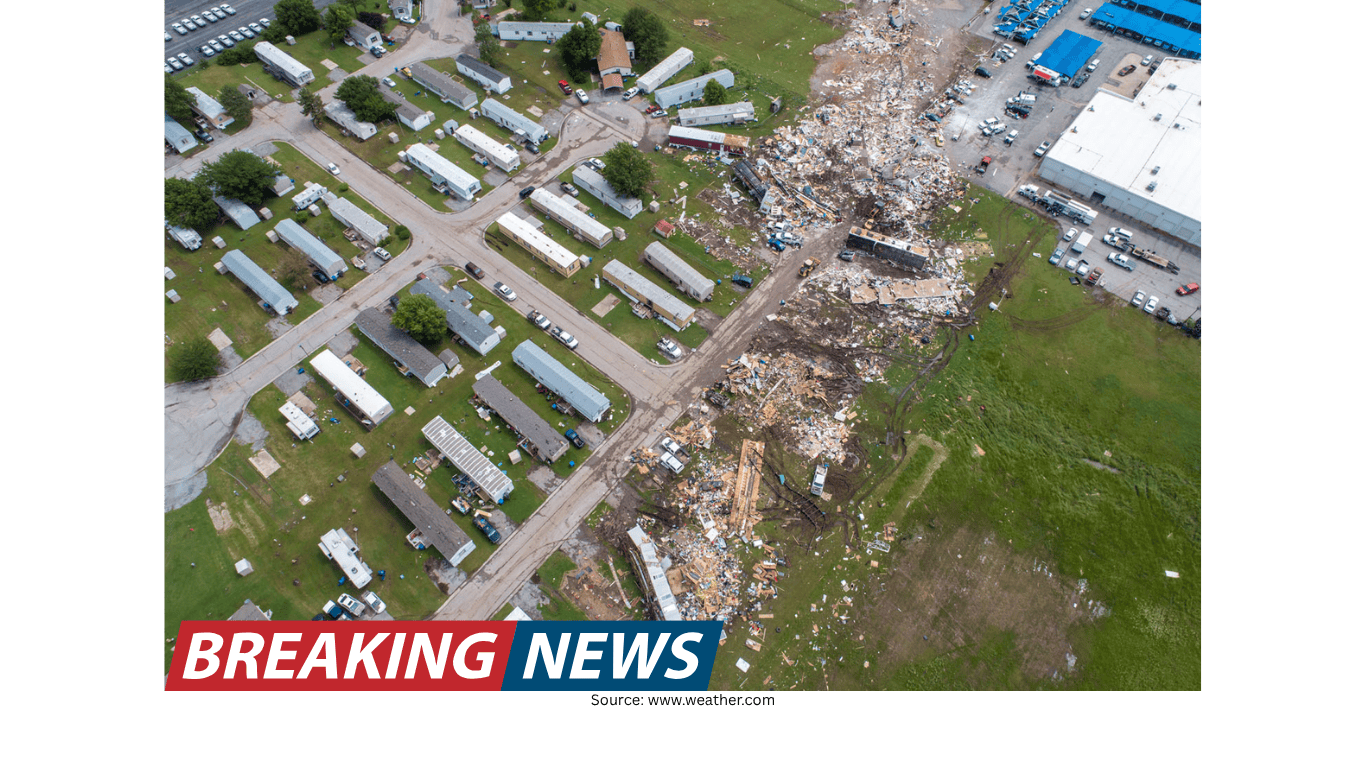
A devastating tornado tore through the hillsides of Rochester, Minnesota, leaving a clear trail of destruction across residential areas. The storm’s impact was captured on video footage recorded at 1:05 PM, documenting scenes that residents in the tornado’s path are now confronting firsthand: homes with major structural damage, trees splintered and toppled, and debris scattered across yards and streets.
In the immediate aftermath, the focus has shifted from the fast-moving danger of the twister itself to the slower, difficult work of assessment and response. Residents are evaluating damage to homes and properties, while emergency crews remain on scene surveying the affected neighborhoods and checking on people who may have been in the tornado’s path.
What the video shows: roofs torn away and upper levels damaged
The footage taken at 1:05 PM shows multiple homes with roofs completely ripped off. In several cases, the damage appears severe enough that parts of the structures are exposed to the elements, with the roofline missing and interior spaces left vulnerable. The video also shows partial second levels destroyed, indicating that the tornado’s winds were strong enough to compromise upper portions of some buildings.
Such scenes underscore how quickly a tornado can transform a familiar neighborhood. A roof that is torn away is not just cosmetic damage; it can leave a home structurally weakened, expose it to rain and wind, and create immediate safety hazards for anyone nearby. The visible loss of portions of second levels suggests a high degree of force, with wind-driven impacts capable of tearing apart key components of a building.
Trees “snapped like toothpicks” across residential blocks
Beyond the damage to homes, the tornado’s path is marked by widespread harm to trees. Countless trees were snapped “like toothpicks” across residential neighborhoods, a vivid description that matches what is often seen when intense winds twist, bend, and break trunks and large branches.
Downed and broken trees can create a chain of problems in a neighborhood even after the tornado has passed. They can block streets, complicate access for emergency crews, and leave debris strewn across lawns and sidewalks. They can also pose continuing risks if damaged limbs remain hanging or if partially uprooted trees are unstable.
A destructive path through Rochester’s communities
The tornado carved a destructive path through Rochester’s communities as it moved through the area. The damage described in the aftermath—roofs ripped off, partial second levels destroyed, and trees snapped—suggests the storm did not merely brush the city but cut through sections of it with enough intensity to leave a consistent corridor of destruction.
As the twister progressed, it scattered debris across yards and streets. Debris fields are a common feature after tornadoes, as strong winds lift and carry materials from homes, trees, and outdoor items. Even relatively small objects can become hazardous when tossed by tornado winds, and larger pieces of debris can land far from where they started, complicating cleanup and assessment.
Debris across yards and streets: the immediate aftermath
In the wake of the tornado, debris has been scattered across yards and streets throughout the affected hillside neighborhoods. For residents, this can mean everything from damaged personal property to building materials and broken tree limbs littering the area. For emergency responders and local officials, debris can impede movement through neighborhoods and slow the process of reaching those who may need help.
Debris also makes the first steps of recovery more difficult. Before repairs can begin, hazards must be identified and removed. Streets and driveways may need to be cleared to allow vehicles to pass. Yards may need to be checked for sharp materials and unstable objects. In many cases, the visible debris is only part of the problem, with hidden damage potentially present in structures that appear intact from a distance.
Residents begin assessing damage to homes and property
With the tornado’s immediate threat gone, residents are now assessing the extensive damage to homes and properties throughout the impacted hillside neighborhoods. That process often begins with a careful look at what is visible—missing roofing, broken windows, damaged siding, and fallen trees—followed by a more detailed evaluation of what may not be obvious at first glance.
The video’s depiction of roofs ripped off and partial second levels destroyed points to the kinds of damage that can render a home unsafe to occupy until professionals can evaluate it. Even when a building remains standing, structural integrity can be compromised by the loss of key components. For homeowners, the first hours and days after a tornado can be filled with difficult decisions about safety, temporary shelter, and the steps needed to protect what remains from further exposure.
Emergency crews on scene: surveying destruction and checking on residents
Emergency crews are on scene surveying the destruction and checking on residents in the tornado’s path. Their presence is a critical part of the immediate response, particularly in neighborhoods where structural damage and downed trees may create hazards.
Surveying destruction involves more than simply documenting what happened. It can include identifying dangerous areas, determining where access is blocked, and locating residents who may need assistance. Checking on residents is especially important in areas where homes have suffered major structural damage, where occupants may be displaced, or where debris and fallen trees could have created dangerous conditions.
How a tornado changes a neighborhood in minutes
The scenes described in Rochester reflect a reality that many communities know too well: a tornado can alter a neighborhood in minutes. One moment, hillside streets are ordinary residential blocks; the next, they can be filled with snapped trees, scattered debris, and homes missing roofs or portions of upper floors.
In this case, the storm left behind a pattern of damage that is both widespread and deeply personal. Residential neighborhoods are not just collections of buildings; they are places where people live, where families gather, and where routines unfold. When roofs are ripped away and trees are broken across yards, the disruption is immediate and visible.
Key impacts observed in the Rochester tornado damage
Multiple homes with roofs completely ripped off, exposing interiors and increasing safety risks.
Partial second levels destroyed on some homes, indicating severe structural impacts.
Countless trees snapped across residential neighborhoods, adding hazards and blocking routes.
Debris scattered across yards and streets as the tornado moved through the area.
Residents assessing extensive damage while emergency crews survey destruction and check on people in the affected path.
The hillside setting and the visible path of destruction
The tornado struck Rochester’s hillside neighborhoods, and the damage described suggests the storm moved through communities in a way that left a discernible path. Hillside areas can contain closely spaced homes, mature trees, and winding streets—features that can amplify the sense of disruption when a tornado passes through.
In the footage, the combination of structural damage and tree loss helps define where the tornado traveled. The snapped trees and torn roofs serve as markers of the storm’s route, showing how the twister carved through the area and left behind a corridor of damage that residents and responders are now navigating.
What happens next: assessment, safety, and the first steps toward recovery
In the hours after a tornado, the immediate priorities typically revolve around safety and assessment. In Rochester, residents are already in the process of evaluating damage, while emergency crews remain on scene. The work ahead can be extensive in neighborhoods where homes have lost roofs or suffered damage to upper levels, and where trees have been snapped and strewn across properties.
For many households, the first steps are practical and urgent: determining whether a home is safe to enter, identifying hazards in and around the property, and documenting damage. For the broader community, the early phase of recovery often includes clearing debris from streets, ensuring residents are accounted for, and continuing to survey the full scope of destruction across the affected hillside neighborhoods.
A community response in the wake of a destructive storm
As Rochester begins to absorb what happened, the images from the 1:05 PM video offer a stark snapshot of the tornado’s force. Homes with roofs torn away, partial second levels destroyed, and trees broken across neighborhoods are not abstract weather statistics—they are tangible impacts that residents must now address.
Emergency crews remain at work, surveying the destruction and checking on residents. Meanwhile, homeowners and neighbors face the immediate task of understanding what was lost, what can be repaired, and what must be made safe. The tornado’s path through Rochester’s hillside communities has left a lasting mark, and the coming days will likely be defined by careful assessment and the first steps of recovery in the damaged neighborhoods.