
Colorado Hit by Heavy, Wet Snow in Early May as Late-Season Storm Disrupts Travel
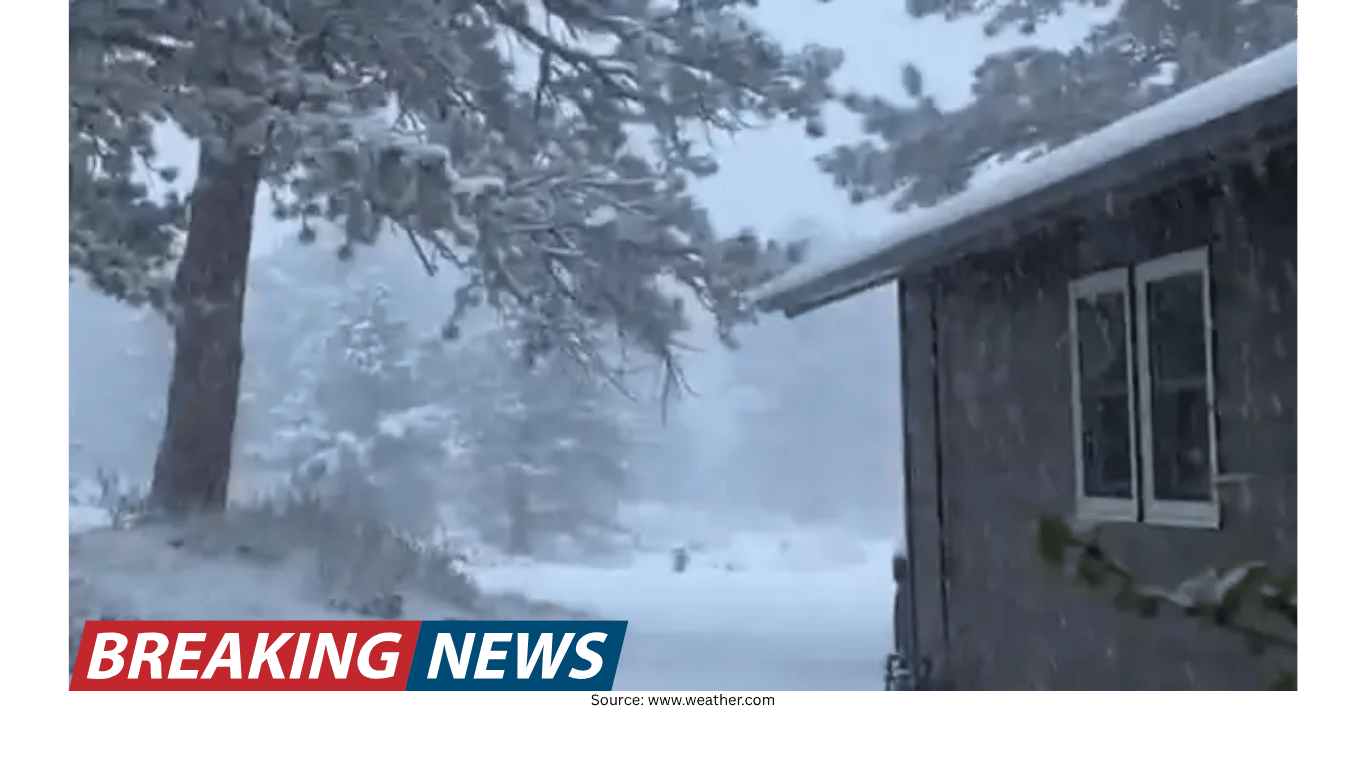
A winter-like storm in the first week of May
Parts of Colorado saw an unusual return to midwinter conditions during the first week of May, when a late-season winter storm delivered heavy, wet snow and transformed familiar landscapes into scenes more typical of January. The timing—arriving as many residents and travelers are thinking about spring activities—made the event stand out, even in a state known for rapid weather changes.
The storm was widely described as a “Cinco Snow Mayo” episode, a play on the early-May calendar and the sudden reappearance of wintry weather. While snow in Colorado can occur outside the traditional winter months, the combination of timing and the storm’s impacts made it notable for communities dealing with travel disruptions and the potential for damage after the snow stopped falling.
Heavy, wet snow: why it matters
The snow that fell was characterized as heavy and wet, a type of snowfall that can create a different set of concerns than lighter, powdery snow. Wet snow tends to cling to surfaces, accumulating quickly on branches, power lines, and other infrastructure. That weight can stress trees and increase the risk of limbs breaking, particularly when leaves have already begun to emerge in spring.
In practical terms, heavy, wet snow can turn a picturesque scene into a complicated one for residents, utilities, and road crews. Even when total snow amounts are not the only metric, the density of the snow can make it harder to clear, more likely to cause tree damage, and more disruptive to daily routines.
Travel disruptions during the storm
The late-season storm snarled travel across affected parts of Colorado. Snowfall in early May can catch drivers off guard, especially those who have already shifted into spring driving habits. Road conditions can change quickly as wet snow accumulates, and the added weight and moisture can contribute to slushy, slick surfaces that complicate braking and visibility.
Travel problems during such events tend to ripple outward. When roads become difficult, delays and detours can affect commuters, freight movement, and visitors trying to reach destinations across the state. The timing in early May can also coincide with seasonal travel, which can amplify the practical consequences when winter conditions suddenly return.
Concerns beyond the snowfall: trees and power lines
Along with travel impacts, the storm raised concerns about tree damage and power outages. Heavy, wet snow can load tree branches unevenly, increasing the chance of breakage. When branches fall, they can block roads, damage property, and interfere with power lines.
Power outages are a particular worry during wet-snow events because the snow’s weight can stress lines directly, while falling limbs can bring lines down. Even isolated outages can create challenges for households and businesses, and restoration efforts can be slowed if crews must navigate hazardous road conditions or widespread debris.
After the storm: flooding risks in the aftermath
The storm also prompted concern about flooding after the snowfall. When a late-season system drops heavy, wet snow, the melt can be substantial—particularly if temperatures rise soon afterward. Meltwater can run off quickly, and if the ground is not able to absorb it efficiently, localized flooding can become a problem.
Flooding concerns in this context are not limited to the moment the storm ends. The aftermath can bring a new phase of impacts, shifting attention from snow removal and travel safety to drainage, runoff, and the potential for water-related damage. This is one reason why late-season snowstorms can be disruptive even after skies clear: the hazards can evolve rather than disappear.
Why an early-May snowstorm can feel especially disruptive
Colorado’s climate and elevation differences make it a place where weather can vary dramatically from one area to another, and snow outside the core winter season is not unheard of. Still, an event that turns parts of the state into a January-like scene during the first week of May can feel jarring. Many people have already moved on to spring routines, with different expectations for commuting, outdoor plans, and home preparedness.
That mismatch between expectations and reality is part of what makes a “Cinco Snow Mayo” event memorable. It is not only the snow itself, but the abrupt return of winter-style hazards—slippery roads, heavy accumulation, and the possibility of infrastructure impacts—that can catch communities at a transitional time of year.
Key impacts observed during the event
Midwinter-like conditions: Heavy, wet snow created a scene reminiscent of January in parts of Colorado during the first week of May.
Travel disruptions: The storm snarled travel, complicating road conditions and movement across affected areas.
Tree damage concerns: Wet snow increased the risk of broken limbs and downed branches due to its weight.
Potential power outages: Accumulation on lines and falling branches raised the risk of electricity disruptions.
Flooding worries after snowfall: Meltwater and runoff in the aftermath created concern about flooding.
What makes “heavy, wet snow” different for cleanup and safety
Wet snow can be more difficult to manage during and after a storm. It can pack down into dense slush on roads and sidewalks, making surfaces slick and harder to clear. For property owners, it can mean heavier shoveling and a greater need to pay attention to snow loads on trees and other vulnerable areas.
From a broader community perspective, wet snow can mean more downed branches and more scattered debris, which can slow travel even after the storm’s main period of snowfall. When combined with the possibility of power outages, the practical challenges can extend beyond the immediate storm window and into the days that follow.
A quick shift from snow to water
One of the defining features of late-season snowstorms is how quickly the focus can shift from snow accumulation to water management. Heavy, wet snow contains a significant amount of moisture. As it melts, that moisture becomes runoff—sometimes gradually, sometimes quickly.
When flooding is a concern in the aftermath, it underscores that the storm’s impact is not limited to the hours when snow is falling. Communities may need to monitor drainage and low-lying areas, and residents may need to remain alert to changing conditions even as the weather transitions back toward spring.
Spring expectations meet winter reality
Early May often signals a seasonal turning point. People may be planning for warmer weather, shifting wardrobes, and preparing for outdoor activities that are less compatible with winter conditions. A storm that delivers heavy, wet snow at this time can force quick adjustments—whether that means changing travel plans, delaying activities, or addressing property concerns such as tree limbs weighed down by snow.
This is part of why the “Cinco Snow Mayo” framing resonates: it captures the surprise of winter weather arriving when many are ready to move on. The storm’s effects—travel disruptions, potential damage, and flooding concerns—highlight how a late-season system can create a chain of practical issues even if it arrives after the traditional winter months.
Looking at the event through a preparedness lens
Although the storm itself was a weather event, its impacts illustrate a broader lesson about transitional seasons: conditions can change quickly, and the hazards can be varied. In this case, the immediate concerns centered on snowy travel and heavy accumulation, while longer-term concerns included possible power disruptions and flooding after the snow began to melt.
For those in affected areas, the story of this early-May storm is not just about an unusual snowy scene—it is about how quickly a late-season system can create a multi-stage set of challenges. First comes the snow and the travel issues. Then come the risks to trees and power lines. After that, attention can turn to meltwater and flooding concerns.
A notable early-May storm for Colorado
By turning parts of Colorado into a winter-like landscape during the first week of May, this late-season storm stood out for both its timing and its impacts. Heavy, wet snow snarled travel and raised concerns about tree damage and power outages, while the post-storm period brought added attention to flooding risks in the aftermath.
Even in a region accustomed to weather variability, the event served as a reminder that winter conditions can reappear late in the season—and that the consequences can extend beyond the snowfall itself.