
Early Outlook Suggests 2026 Atlantic Hurricane Season Could Be Below Average
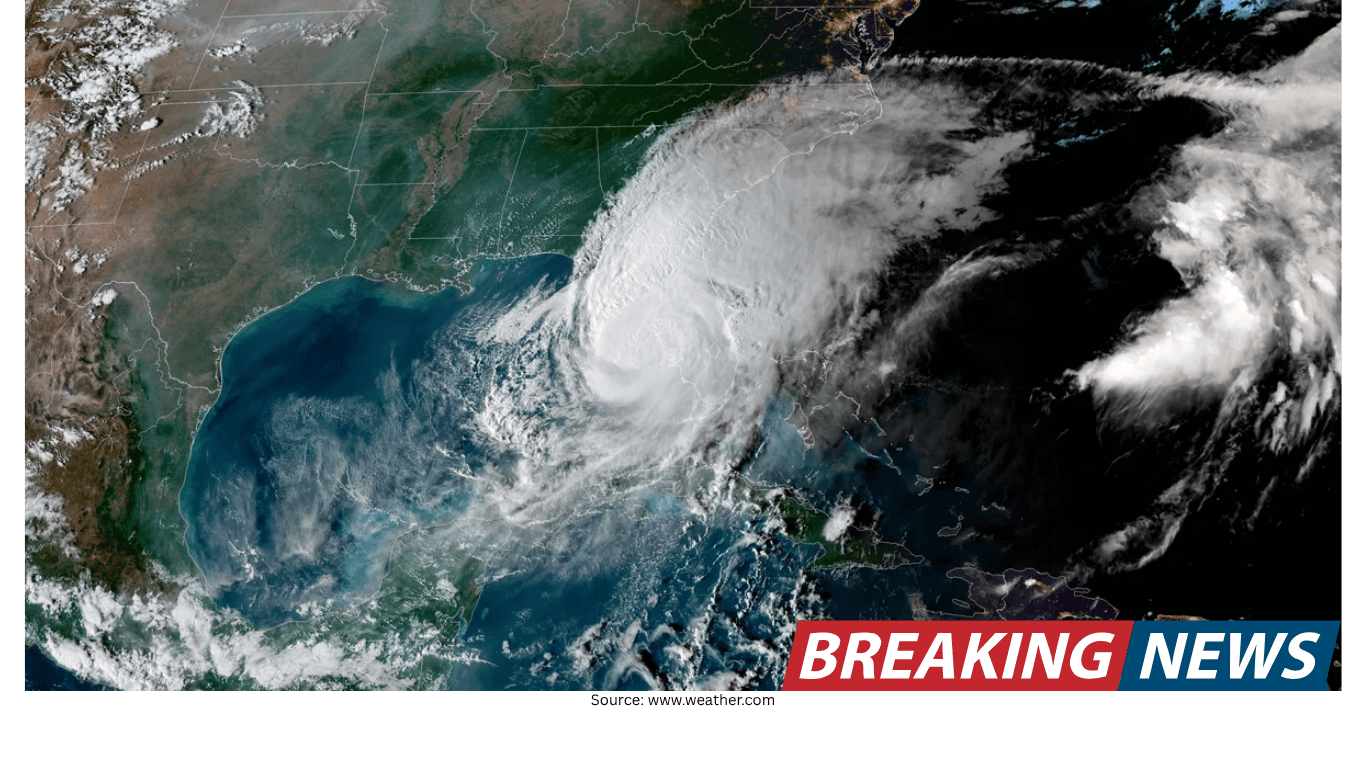
An early signal for 2026: below-average activity
A seasonal outlook from The Weather Company and Atmospheric G2 is calling for a below-average Atlantic hurricane season in 2026. The forecast highlights two primary drivers behind that expectation: El Niño conditions and relatively lukewarm Atlantic waters. Together, those factors are presented as important influences that can tilt the odds toward fewer storms overall compared with a typical year.
Seasonal hurricane forecasts are not day-to-day predictions. They are broad assessments that attempt to estimate how active an entire season may be, based on large-scale climate patterns and ocean temperatures that can shape the environment in which storms form and strengthen. The 2026 outlook described here is framed as an “early” forecast, meaning it is issued well ahead of the season and is therefore intended to provide a general sense of risk rather than a precise count of storms or a location-specific landfall prediction.
What the forecast is based on
The forecast team points to El Niño conditions as one of the key reasons the 2026 season may lean below average. El Niño is a recurring climate pattern that can influence atmospheric conditions over the Atlantic basin. In seasonal outlooks, it is often treated as a major ingredient because it can affect the broader wind and weather patterns that storms encounter as they try to organize.
The second factor cited is the state of Atlantic waters, described in this outlook as “lukewarm.” Ocean temperatures matter because tropical systems draw energy from warm water. When the Atlantic is not especially warm, it can be one of several signals that the basin may be less supportive of frequent or intense storm development.
It is important to note what this kind of forecast does—and does not—say. It does not mean storms cannot form, nor does it rule out the possibility of impactful hurricanes. A “below-average” season can still produce serious events. The outlook is best understood as a statement about the overall environment and the likelihood of total activity being lower than what is typical.
Why seasonal outlooks focus on patterns, not individual storms
Hurricanes are influenced by many variables, including atmospheric moisture, wind patterns, and sea-surface temperatures. Some of these factors are predictable months in advance at a broad scale, while others fluctuate quickly and are only understood closer to when storms develop. That is why seasonal outlooks tend to emphasize large-scale drivers such as El Niño and ocean warmth, rather than attempting to forecast specific storms.
In practice, seasonal forecasts are used as planning tools. Emergency managers, businesses, and households may look to them for a general sense of whether the season could be more or less active than average. But the forecasts are not designed to answer the most common personal question—“Will a hurricane hit my area?”—because that depends on the track of individual storms, which cannot be reliably predicted months ahead.
El Niño: a central piece of the 2026 outlook
The 2026 forecast explicitly cites El Niño conditions as a key driver. While the outlook does not provide a detailed breakdown of the mechanisms, the inclusion of El Niño signals that the forecast team expects this climate pattern to play a meaningful role in shaping the Atlantic hurricane environment during the season.
Because El Niño is a basin-wide influence rather than a local one, it is often used in seasonal forecasting as a way to describe the “background state” of the atmosphere. When a forecast highlights El Niño, it is essentially saying that the broader atmospheric setup may be less favorable for widespread storm development across the Atlantic compared with years when El Niño is absent.
Lukewarm Atlantic waters: what that implies in a seasonal forecast
The second driver mentioned—lukewarm Atlantic waters—speaks to the ocean’s role in hurricane activity. Tropical systems typically require warm ocean water to develop and intensify. When waters are not as warm as they could be, that can be interpreted as a factor that may limit the overall number of storms or their ability to strengthen, depending on how those temperatures evolve as the season approaches.
In seasonal forecasting, the ocean is often treated as both a fuel source and a boundary condition. A forecast that calls attention to less-than-ideal warmth is emphasizing that, at least at the time of the outlook, one of the ingredients that often supports higher activity is not strongly in place.
How this outlook compares with others
The forecast also raises a natural follow-up question: how does this projection compare to other outlooks that have been released? That comparison is an important part of how seasonal forecasting is interpreted in the public sphere. Different forecasting groups may weigh signals differently, may use different models, or may issue outlooks at different times, when the climate indicators have shifted.
At the same time, the only specific outlook described here is the one from The Weather Company and Atmospheric G2, which calls for below-average activity and cites El Niño and lukewarm Atlantic waters. Without additional numerical details or the content of other forecasts, the comparison can be framed in a general way: seasonal outlooks can vary, and the differences often come down to how forecasters interpret the same large-scale drivers and how those drivers are expected to evolve.
For readers trying to reconcile multiple outlooks, the most practical approach is to focus on the common themes rather than the precise labels. If multiple forecasts highlight similar drivers—such as El Niño or ocean temperatures—then the overall message may be more consistent even if the conclusions differ slightly. When outlooks diverge, it can be a sign that the climate signals are mixed or that there is higher uncertainty than usual.
What “below average” should and should not change for preparedness
A below-average seasonal forecast can be misunderstood as a reason to relax. However, the presence of any hurricane risk in a given year is not eliminated by a quieter season overall. The forecast described here is about the expected level of basin-wide activity, not about the absence of dangerous storms.
From a preparedness standpoint, the most responsible takeaway is that hurricane planning should remain routine regardless of whether the season is projected to be above average, near average, or below average. Seasonal forecasts can inform broad expectations, but they do not replace the need for monitoring official updates as storms form and move.
How to read an early-season forecast responsibly
Because this is presented as the “latest forecast” from the team and is tied to large-scale drivers, it is best read as a snapshot of current thinking rather than a final verdict on the season. Climate patterns can evolve, and ocean temperatures can change. As a result, seasonal outlooks are often updated over time.
When evaluating an early outlook, readers may find it helpful to keep three ideas in mind:
Seasonal outlooks describe probabilities, not certainties. A below-average expectation does not guarantee a quiet season, and it does not prevent significant storms.
Key drivers can shift. The outlook is based on El Niño conditions and Atlantic water temperatures as understood at the time of the forecast.
Local impacts depend on individual storms. Landfall and local damage are determined by storm tracks and intensity near the time of impact, not by the seasonal average alone.
The role of expert communication in hurricane season outlooks
The forecast is presented with an explanation from meteorologist Caitlin Kaiser, who breaks down the details of the outlook. In seasonal forecasting, communication is a key part of the product: the public not only wants to know what the forecast says, but also why it says it and what it means in practical terms.
By pointing to El Niño and Atlantic water temperatures, the explanation ties the forecast to identifiable climate factors. This kind of framing can help audiences understand that seasonal outlooks are grounded in environmental signals rather than guesswork, while also reminding viewers that the forecast is an assessment of the overall season, not a prediction of specific events.
What to watch as the season approaches
Even when an early outlook leans below average, the most relevant question for many people is whether the supporting factors remain in place. The forecast described here is anchored to two drivers, so the evolution of those drivers becomes the logical focus for future updates.
In broad terms, that means paying attention to:
Whether El Niño conditions persist in a way that continues to influence the Atlantic hurricane environment.
Whether Atlantic waters remain lukewarm or trend warmer as the season nears, potentially changing how supportive the ocean is for storm development.
These are not the only factors that matter, but they are the ones explicitly cited as the foundation of this particular outlook. As updated forecasts are issued, they may reinforce the same message or adjust it based on how these and other signals develop.
Bottom line
The 2026 Atlantic hurricane season is projected by The Weather Company and Atmospheric G2 to lean below average, with El Niño conditions and lukewarm Atlantic waters cited as two key drivers. While the forecast invites comparison with other outlooks, the central message is that large-scale climate and ocean conditions currently point toward reduced overall activity compared with a typical season. Even so, seasonal outlooks are best used as broad guidance, and they do not eliminate the possibility of impactful storms.
As with any early hurricane outlook, the most practical approach is to treat it as a starting point: understand the drivers behind the forecast, watch for updates as conditions evolve, and keep preparedness habits consistent regardless of whether a season is expected to be quieter or busier than average.