
Light Rain Expected Today as Authorities Warn of Reduced Visibility
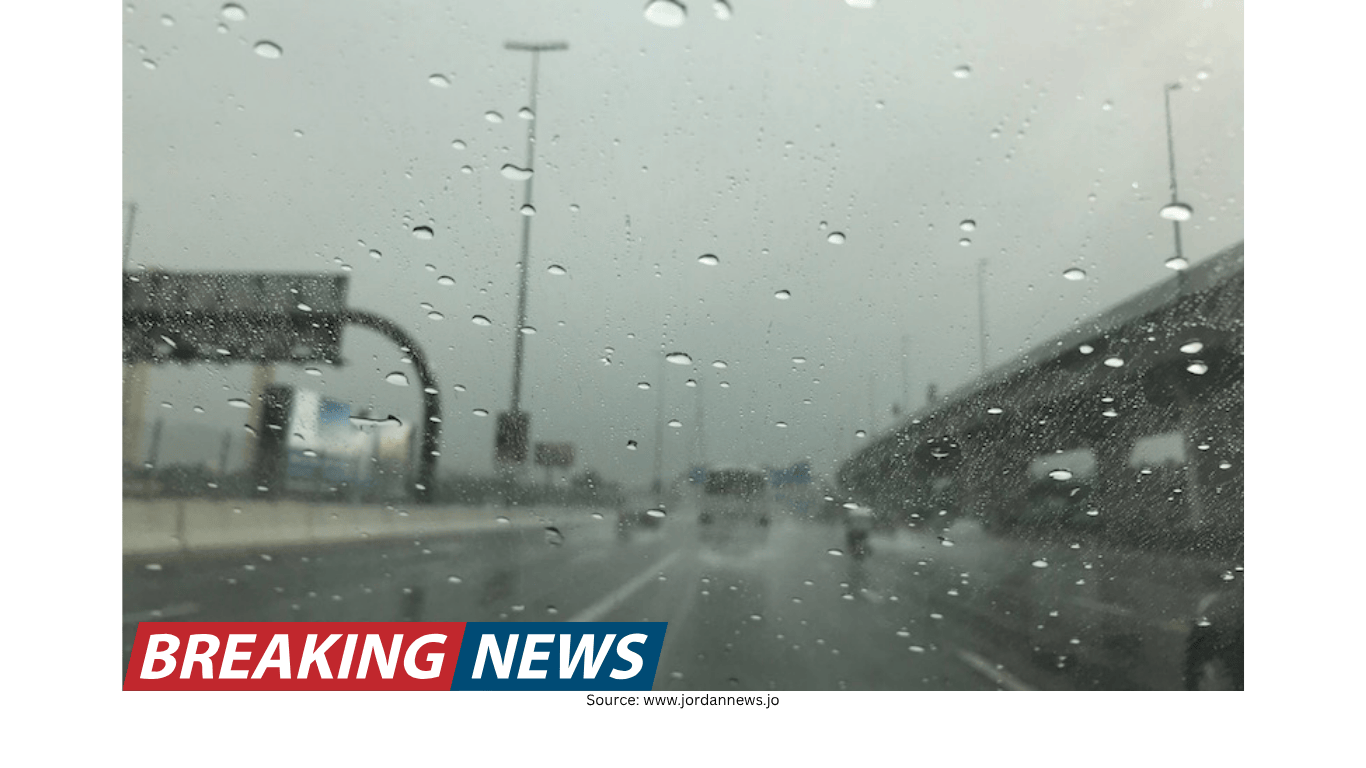
Today’s weather at a glance
Light rain showers are expected across parts of the country today. While the rainfall is described as light, the accompanying conditions may still affect daily routines, particularly for people traveling by road or moving between cities and towns.
Alongside the forecast for rain, warnings have been issued about reduced horizontal visibility. This is a key concern during unsettled weather, because even modest precipitation can combine with other atmospheric factors to make it harder to see clearly at a distance.
In practical terms, the day’s weather outlook can be summarized in two points: some areas should anticipate light showers, and people should be prepared for visibility to drop in certain locations or at certain times.
Where light rain is expected
The forecast indicates that light rain showers may occur in parts of the country. The emphasis on “parts” suggests that conditions may vary from one area to another, with some places seeing showers while others remain dry.
Because the expected rainfall is not described as widespread or heavy, residents may experience intermittent showers rather than continuous rain. Even so, brief periods of rain can still create slick surfaces, damp conditions, and a general change in how comfortable it feels to be outdoors.
For people planning errands, commuting, or outdoor activities, the most useful approach is to assume that showers could develop at some point during the day, especially if you are moving between different areas. A light rain forecast often means the weather may shift quickly, with short-lived showers passing through.
Understanding the warning: reduced horizontal visibility
The primary caution attached to today’s forecast is the warning of reduced horizontal visibility. Horizontal visibility refers to how far a person can see along the ground—such as down a road, across open terrain, or toward nearby buildings and landmarks.
When visibility is reduced, objects at a distance may appear less distinct or may be difficult to detect in time. This matters most for drivers, pedestrians crossing roads, and anyone operating equipment or traveling in areas where clear sightlines are important.
In many cases, reduced visibility is not uniform. It can fluctuate from one neighborhood to another, or even within the same route, depending on local conditions. That variability is one reason warnings are issued: people may begin a trip in normal visibility and then encounter a sudden drop without much notice.
Why light rain can still disrupt travel
It can be tempting to treat “light rain” as a minor inconvenience. However, light showers can still influence travel conditions, particularly when paired with reduced visibility. Even a small amount of rain can change the appearance of the road surface, create reflective glare, and make lane markings harder to see.
Reduced visibility compounds these issues. When drivers cannot see as far ahead, they have less time to react to changes in traffic flow, road conditions, or unexpected obstacles. For pedestrians, visibility issues can affect how easily drivers notice people crossing or walking near the roadside.
These are not reasons to avoid travel altogether, but they are reasons to adjust habits—especially during periods when the rain is falling or when visibility is visibly diminished.
Practical safety steps for drivers
With warnings focused on visibility, road safety becomes a central consideration. If you are driving today, a cautious and deliberate approach can help reduce risk during periods of rain or low visibility.
Slow down when visibility drops. Lower speeds give you more time to respond to vehicles ahead and to changes in the road.
Increase following distance. Extra space between vehicles can be crucial when you cannot see far ahead.
Stay attentive to changing conditions. Visibility can vary quickly, especially when showers pass through.
Avoid sudden maneuvers. Gentle steering and braking are generally safer when roads are damp.
Plan for extra travel time. Even light rain can slow traffic, particularly if visibility is reduced.
These steps are general precautions that align with the nature of the warning. The aim is to reduce the likelihood of sudden braking, abrupt lane changes, or surprise encounters with hazards that might be harder to see.
Advice for pedestrians and outdoor plans
People walking outdoors may also feel the effects of today’s conditions. Light rain can make sidewalks and steps slippery, and reduced visibility can affect how easily drivers see pedestrians—especially near crossings or along busy streets.
If you are heading out on foot, it may help to take extra care at intersections, allow more time to cross, and remain alert to vehicles that may be approaching more slowly or may have difficulty seeing clearly at a distance.
For outdoor plans, the forecast suggests flexibility is useful. Light showers may come and go, so short outdoor activities may still be possible, but it is sensible to be prepared for damp conditions and occasional interruptions.
What “parts of the country” can mean for day-to-day decisions
Forecast language that points to “parts of the country” often reflects the reality that weather systems do not affect every location equally. Some areas may see rain while nearby areas see only clouds, and the timing can be uneven.
For households and businesses, this can complicate planning. A person leaving one area may not realize that another area is experiencing showers or reduced visibility. That is why broad warnings are issued: they encourage caution even if conditions appear calm at the moment.
In practical terms, it can be helpful to think in terms of likelihood rather than certainty. If your schedule involves travel or time outdoors, assume that you may encounter light rain at some point and that visibility may not remain consistent throughout the day.
How reduced visibility can appear and why it matters
Reduced horizontal visibility is not always dramatic. Sometimes it shows up as a gradual loss of clarity, where distant objects look muted or less defined. In other situations, it can be more noticeable, with the view ahead becoming hazy or obscured.
Regardless of how it appears, the impact is similar: people have less visual information to work with. Drivers may find it harder to judge distances, spot hazards early, or read the road environment as far ahead as they normally would.
This is especially relevant on faster roads and open stretches, where people typically rely on long sightlines. When those sightlines shorten, the margin for error narrows.
Planning the day around the forecast
Because today’s outlook combines light rain with a visibility warning, planning is mostly about preparedness rather than major disruption. Many daily activities can continue as normal, but a few small adjustments can make the day smoother.
Build in flexibility. If you have outdoor tasks, consider doing them during any drier window that appears.
Account for travel delays. Reduced visibility can slow traffic and increase caution on the roads.
Be ready for local variation. Conditions can differ across areas, so what you see outside your window may not reflect what you encounter elsewhere.
The forecast does not suggest extreme weather, but it does emphasize a common risk factor: visibility. That is often the difference between a routine rainy day and a day that requires extra care.
What to watch for as conditions change
Even when rain is expected to be light, the combination of showers and reduced visibility means it is worth paying attention to how conditions evolve. If you notice visibility worsening—such as difficulty seeing vehicles ahead, road signs, or distant landmarks—it may be a sign to slow down and proceed more cautiously.
Similarly, if showers become more frequent in your area, surfaces may become more consistently damp. That can affect braking distance and traction, even if the rain itself is not heavy.
Because the forecast highlights both rain and visibility, the key indicator for many people will be what they can see ahead. In other words, visibility may be the most immediate and practical measure of how cautious you need to be at any given moment.
Bottom line
Light rain showers are expected today in parts of the country, and warnings have been issued about reduced horizontal visibility. While the rainfall itself is forecast to be light, the visibility risk can have real effects on travel and outdoor movement.
For most people, the best response is simple: anticipate intermittent showers, stay alert to changing visibility, and take extra care on the roads. Small adjustments—slower driving when needed, more following distance, and a flexible plan for outdoor activities—can help the day proceed safely and smoothly.
As conditions vary by location, caution is advisable even if the weather looks calm at a particular moment. The day’s forecast is less about heavy rain and more about the potential for visibility to drop, which can happen quickly and unevenly across different areas.