
Thousands Mark the Winter Solstice at Stonehenge and Glastonbury Tor
A midwinter milestone in the sky
The winter solstice is a calendar moment rooted in astronomy: it marks the beginning of astronomical winter. While the date arrives quietly on many calendars, it carries a sense of significance for people who track the changing seasons, the shortening and lengthening of days, and the annual rhythm of sunlight. In England, that significance was visible in the size of the crowds that turned out to welcome the solstice in person.
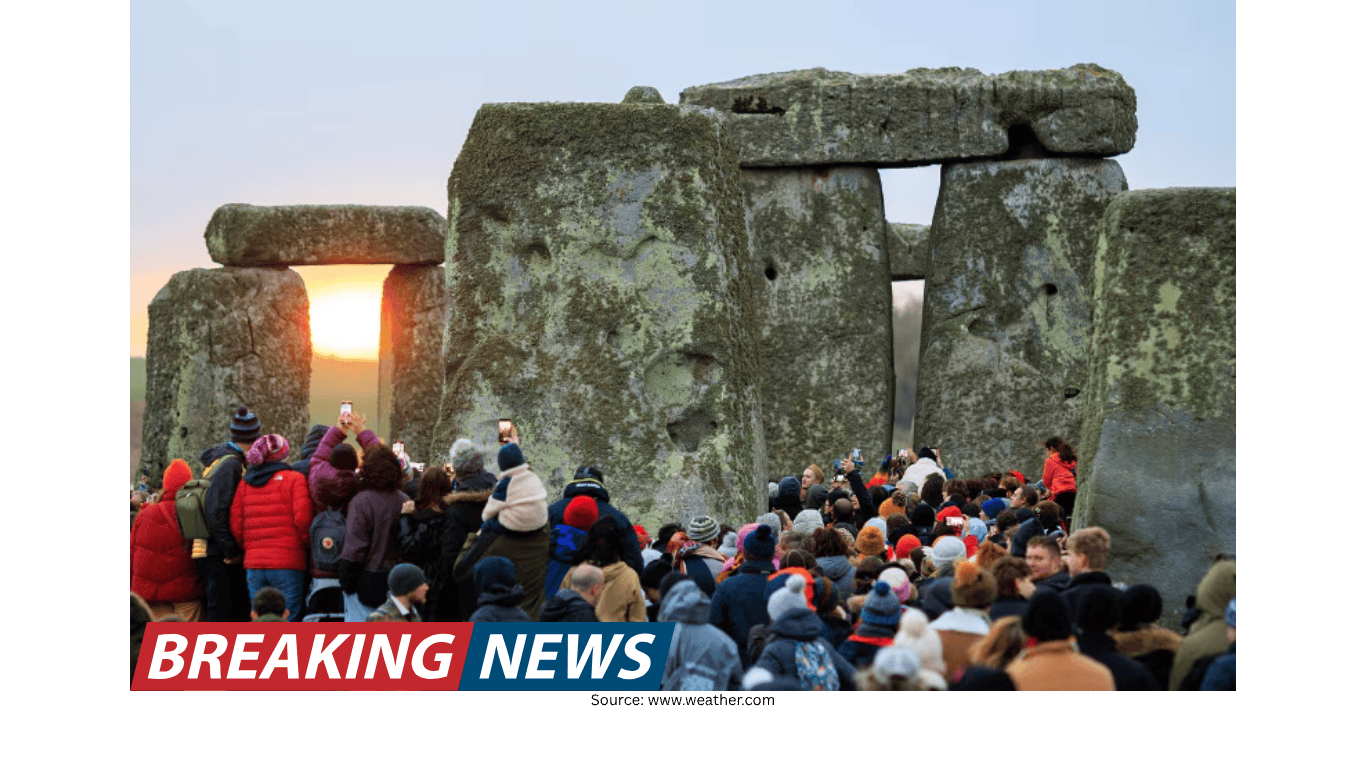
As the solstice arrived, thousands gathered at two well-known locations—Stonehenge and Glastonbury Tor—to celebrate the day. The gatherings reflected how a single astronomical event can be experienced in many ways at once: as a seasonal marker, a cultural tradition, and a shared public occasion.
Large crowds at Stonehenge
Stonehenge has long been associated with seasonal observation and public interest, and the winter solstice once again drew substantial numbers. Thousands of people came to the site to welcome the start of astronomical winter. For many attendees, being present is part of the meaning: it turns an abstract point on the calendar into a lived experience, shaped by place, atmosphere, and the presence of others who have come for similar reasons.
The scale of the gathering suggests that, even in an age when astronomical events can be tracked precisely on screens and apps, there remains a strong desire to witness seasonal transitions in person. Stonehenge, in particular, offers a setting where the solstice can feel tangible—an occasion tied to the landscape and to a monument that has become a focal point for midwinter observance.
Glastonbury Tor welcomes solstice visitors
Stonehenge was not the only destination for solstice observers. Thousands also gathered at Glastonbury Tor in England. Like Stonehenge, the Tor is a place where people often seek perspective—both literal and symbolic—when marking changes in the year. The winter solstice, with its association with the beginning of astronomical winter, provides a clear reason for people to come together outdoors and acknowledge the seasonal shift.
In gatherings like these, the solstice can be less about a single moment and more about the act of showing up: standing with others, pausing to recognize the day, and taking part in a collective welcome to winter’s astronomical start.
Traditions that frame the solstice as renewal
For some attendees, the winter solstice carries spiritual or symbolic meaning beyond its astronomical definition. Some pagan traditions believed that the sun was reborn on the winter solstice. This belief frames the day not only as the start of astronomical winter but also as a turning point—an idea that the sun’s cycle begins anew, and that the season’s darkness is paired with the promise of return.
That interpretation helps explain why the solstice can feel celebratory even as it marks winter’s arrival. The day can be understood as a threshold: a moment to acknowledge the season while also looking ahead to the changes that follow. In this way, the solstice becomes more than a date; it becomes a narrative of renewal that people can choose to honor through gathering, reflection, and ritual.
A public event shaped by place and purpose
What unites Stonehenge and Glastonbury Tor on the winter solstice is not only geography but also the way these locations function as meeting points for shared meaning. Thousands gathering at each site underscores the solstice’s continuing pull as a public event. People may arrive with different motivations—curiosity, tradition, spirituality, or a simple desire to mark the season—but the experience becomes communal once the crowd forms.
Because the winter solstice marks the beginning of astronomical winter, it offers a clear, widely recognized reason to pause and take stock. The gatherings show how an astronomical definition can intersect with cultural practice. The science provides the timing; the human response provides the atmosphere.
Why the winter solstice still draws crowds
In many parts of everyday life, seasonal change is felt gradually: mornings grow colder, daylight shifts, and routines adjust. The winter solstice, however, creates a specific point in time that people can name and observe. That clarity can be appealing. It turns the slow evolution of the season into a moment that can be welcomed, commemorated, or simply noticed.
The crowds at Stonehenge and Glastonbury Tor suggest that this desire for a distinct seasonal marker remains strong. The solstice is not only a scientific event but also a cultural one—an opportunity to gather in a meaningful place and recognize the start of astronomical winter in a way that feels deliberate.
Different ways of celebrating the same day
Even when people gather for the same occasion, they do not necessarily celebrate it in the same way. The winter solstice can be approached as an astronomical milestone, a personal tradition, or a spiritual observance. For those influenced by pagan traditions that describe the sun as being reborn on the winter solstice, the day may carry themes of renewal and return. For others, the emphasis may be on the seasonal transition itself: acknowledging that astronomical winter has begun.
These interpretations can coexist in the same crowd. A large gathering does not require a single shared belief; it requires only a shared moment. The solstice provides that moment, and places like Stonehenge and Glastonbury Tor provide a setting where it can be experienced collectively.
What visitors often seek in solstice gatherings
While the reasons for attending can vary, solstice gatherings often share a few common elements: a sense of timing, a sense of place, and a sense of participation. Timing matters because the winter solstice is a defined point that marks the beginning of astronomical winter. Place matters because locations such as Stonehenge and Glastonbury Tor offer a backdrop that feels connected to the occasion. Participation matters because a gathering transforms an individual observation into a communal event.
In England, the winter solstice brought these elements together. Thousands chose to be present at Stonehenge and thousands chose to be present at Glastonbury Tor, turning the day into a visible, shared welcome of the season.
A seasonal marker with lasting resonance
The winter solstice arrives every year, but it does not always pass in the same way. In some years and in some places, it is a quiet note on the calendar. In others, it becomes a focal point for public attention. The gatherings in England show that the solstice continues to resonate as an event people want to experience directly, particularly when it is linked to recognizable landmarks and long-standing traditions.
For those who see the day through the lens of pagan traditions, the belief that the sun is reborn on the winter solstice can add a layer of meaning that encourages celebration. For those focused on astronomy, the fact that the solstice marks the beginning of astronomical winter provides a clear reason to acknowledge the day. Either way, the solstice offers a structured moment to recognize the season and the cycle of light.
Key points from the day’s observances
The winter solstice marks the beginning of astronomical winter.
Thousands gathered at Stonehenge in England to celebrate the solstice.
Thousands also gathered at Glastonbury Tor in England to mark the day.
Some pagan traditions believed the sun was reborn on the winter solstice.
Looking at the solstice as both event and experience
At its core, the winter solstice is an astronomical definition: the start of astronomical winter. Yet the crowds at Stonehenge and Glastonbury Tor show how quickly that definition becomes an experience when people attach meaning to it and choose to observe it together. The solstice can be a moment of celebration, reflection, or curiosity, and the same day can hold different significance for different people.
What remains consistent is the impulse to mark the turning of the year. Whether approached through tradition, belief, or simple seasonal awareness, the winter solstice continues to serve as a widely recognized point of transition—one that, in England, thousands chose to welcome in person.