
UN Agencies Warn of Rising Extreme Rainfall as Cyclones and Monsoon Flooding Disrupt Lives Across Southeast Asia
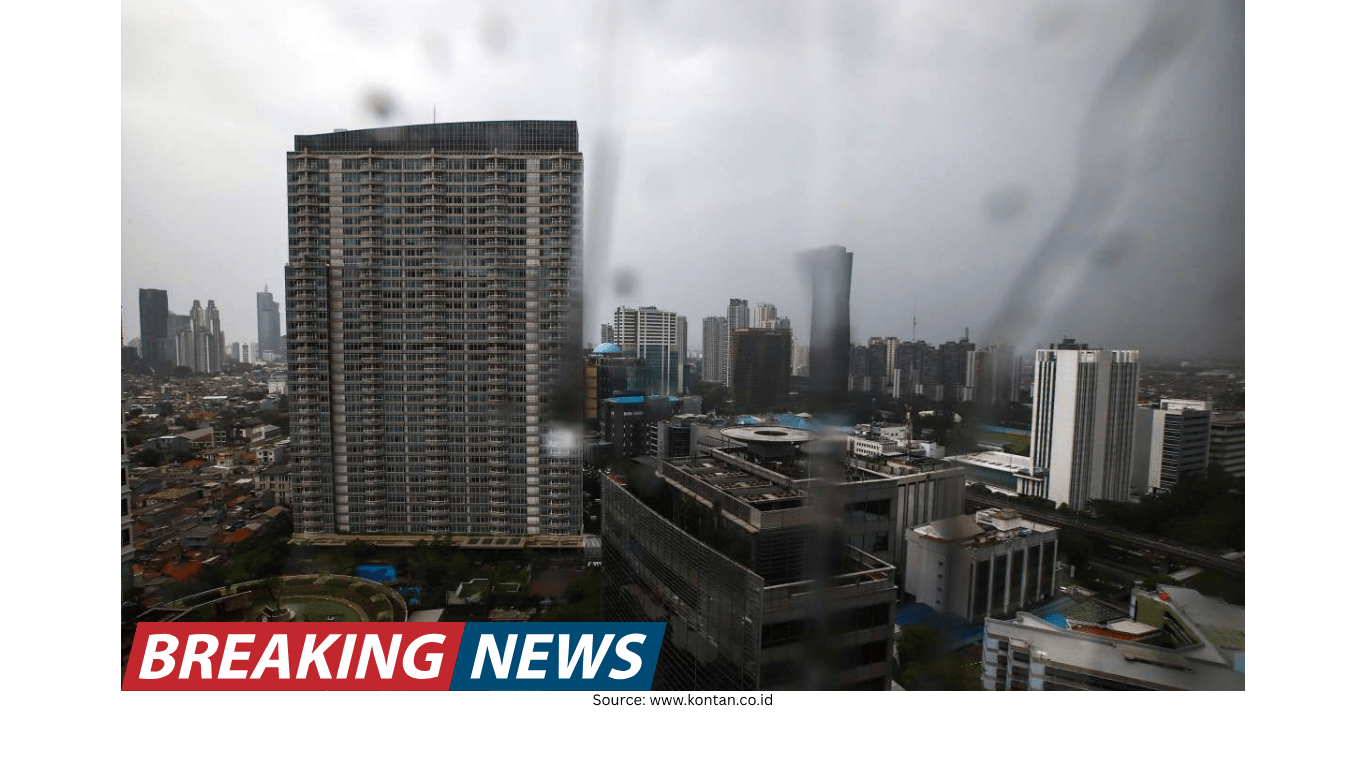
Back-to-back storms and monsoon rains push communities into crisis
Across Southeast Asia, a succession of tropical storms combined with monsoon-related rainfall has produced record-breaking downpours and widespread flooding, upending lives and leaving communities facing devastation and displacement. UN agencies, speaking on Tuesday, described a region grappling with severe impacts that range from loss of life to the disruption of critical services such as water supplies, healthcare and schooling.
Countries highlighted as among the most affected include Indonesia, the Philippines, Sri Lanka, Thailand and Viet Nam. The pattern, according to the World Meteorological Organization (WMO), reflects a “combination of monsoon-related rainfall and tropical cyclone activity” that has intensified flooding risks and contributed to a humanitarian emergency in several locations.
The UN Secretary-General, António Guterres, expressed deep sadness at the loss of life across the region. In a statement issued through his Spokesperson, he conveyed condolences to families of those who died and expressed solidarity with everyone affected. The statement also said the United Nations is in close contact with authorities and stands ready to support relief and response efforts, with UN Country Teams available to provide necessary assistance.
Floods: a persistent hazard in a highly exposed region
Flooding is not a new threat in Asia, but the scale and intensity described by UN agencies underscores how vulnerable the region remains. WMO spokesperson Clare Nullis told reporters that “Asia is very, very vulnerable to floods,” noting that flooding consistently tops the list of climate hazards in the region according to WMO’s annual State of the Climate reports.
This vulnerability is shaped by geography, climate patterns and exposure of populations and infrastructure. When heavy rainfall arrives—whether through monsoon systems, tropical storms, or a combination of both—rivers can swell rapidly and low-lying areas can become inundated. The consequences can cascade quickly: homes damaged or destroyed, transport routes cut off, communications disrupted and essential services strained.
UN agencies emphasized that the current situation is not confined to one country, but is unfolding across multiple national contexts at once. That regional spread matters because it can stretch response capacity and complicate logistics, especially when roads are blocked and communities become isolated.
Rare cyclone activity near the Equator magnifies impacts
Among the storms discussed, WMO pointed to tropical cyclones such as Senyar, which brought “torrential rainfall and widespread flooding and landslides” across northern Sumatra in Indonesia, peninsular Malaysia and southern Thailand. Ms. Nullis noted that cyclones so close to the Equator are rare.
That rarity has practical consequences for preparedness. “It's not something that we see very often and it means the impacts are magnified because local communities… have got no experience in this,” she said. In other words, when a hazard is unusual for a location, the systems designed to anticipate and respond—public awareness, community planning, infrastructure standards and emergency procedures—may not be calibrated for it.
In such circumstances, intense rainfall can translate rapidly into landslides and flash flooding, especially where terrain is steep or where drainage systems are overwhelmed. The result can be a sudden escalation from severe weather to a complex emergency.
Indonesia: large-scale fatalities and displacement reported
In Indonesia, the scale of casualties and displacement described by UN agencies is stark. WMO cited figures from the Indonesian National Disaster Office indicating 604 fatalities, 464 people missing and 2,600 injured. The same update said around 1.5 million people have been affected, with more than 570,000 displaced.
These numbers reflect not only the immediate danger posed by floods and landslides, but also the broader disruption that follows. Displacement on this scale typically means families are forced to leave their homes, often with limited belongings, and seek shelter elsewhere. It can also mean prolonged uncertainty as communities assess damage, restore services and determine when it is safe to return.
The Indonesian case also illustrates how multiple hazards can coincide during a major storm event. Torrential rain can trigger both river flooding and landslides, compounding the risk to people living in vulnerable areas and complicating rescue and recovery operations.
Viet Nam: weeks of battering and exceptional rainfall records
Viet Nam has been “battered now for weeks” and is “bracing for yet more heavy rainfall,” according to Ms. Nullis. She said that exceptional rains in recent weeks have flooded historic sites and popular tourist resorts, while also causing massive damage. The mention of historic and tourism locations underscores how extreme weather can affect not only homes and essential infrastructure, but also culturally significant places and local economies that depend on visitors.
One of the most striking data points cited was a 24-hour rainfall total recorded in late October at a meteorological station in central Viet Nam: 1,739 millimetres. Ms. Nullis described this as “really enormous,” adding that it is the second-highest known total anywhere in the world for 24-hour rainfall.
WMO said the exceptionally high value is subject to a formal evaluation by its extremes committee. The agency also noted that a value above 1,700 mm would constitute a record for the Northern Hemisphere and Asia. Such verification processes matter because they ensure that records used to understand climate hazards are based on consistent standards, reliable instruments and robust assessment.
Regardless of the final determination, the reported figure highlights the kind of intense downpours that can overwhelm drainage systems, inundate large areas and create dangerous conditions over a short period of time.
Sri Lanka: a fast-moving humanitarian emergency affecting children
In Sri Lanka, Cyclone Ditwah made landfall on the country’s east coast last week, affecting about 1.4 million people, including 275,000 children, according to Ricardo Pires, spokesperson for the UN Children’s Fund (UNICEF). He described the situation as a “fast-moving humanitarian emergency.”
UNICEF warned that the true number of children impacted may be higher because communications are down and roads are blocked. These disruptions can prevent families from accessing help and can delay assessments that would otherwise clarify the scale of needs on the ground.
Mr. Pires said homes have been swept away, entire communities isolated, and essential services that children rely on—water, healthcare and schooling—have been severely disrupted. For children, the consequences of such disruption can be immediate and compounding: unsafe living conditions, missed schooling and reduced access to medical care and clean water.
UNICEF also stressed that displacement has forced families into unsafe and overcrowded shelters. In such environments, basic needs can be difficult to meet, privacy is limited and protection concerns can increase. At the same time, flooding and damaged water systems are increasing the risk of disease outbreaks, the agency warned.
“The needs far outweigh the available resources right now,” Mr. Pires said, appealing for additional humanitarian funding and support for the most vulnerable.
Why extreme rainfall is becoming a bigger concern
UN agencies tied the intensity of these events to a broader physical mechanism: rising temperatures. Ms. Nullis explained that higher temperatures “increase the potential risk of more extreme rainfall because a warmer atmosphere holds more moisture.”
She described this as “the law of physics” and concluded: “we are seeing more extreme rainfall and we will continue to do so in the future.” The implication is that as the atmosphere’s moisture-holding capacity increases, heavy rainfall events can become more intense, raising the likelihood of flooding when storms occur.
This does not mean every storm will produce catastrophic impacts, but it does underscore why emergency planning, early warning systems and resilient infrastructure are increasingly important in regions where floods already rank among the most significant hazards.
What the UN says it is doing
The UN Secretary-General’s statement emphasized coordination with national authorities and readiness to support relief and response efforts. It said the United Nations is in close contact with authorities in the affected countries and that UN Country Teams remain available to provide necessary assistance.
In parallel, UNICEF’s comments highlighted immediate humanitarian priorities, particularly for children and families displaced by flooding. The agency’s appeal for additional funding and support reflects the gap it sees between needs on the ground and available resources.
Key points at a glance
- UN agencies report record-breaking rains and flooding across parts of Southeast Asia linked to monsoon rainfall and tropical cyclone activity.
- Countries cited as among the most affected include Indonesia, the Philippines, Sri Lanka, Thailand and Viet Nam.
- In Indonesia, WMO cited national disaster figures reporting 604 fatalities, 464 missing, 2,600 injured, around 1.5 million affected and more than 570,000 displaced.
- In Viet Nam, WMO said weeks of exceptional rain have caused major damage and flooded historic sites and tourist resorts; a 24-hour total of 1,739 mm was reported at one station and is under formal evaluation.
- In Sri Lanka, UNICEF described a fast-moving humanitarian emergency after Cyclone Ditwah, affecting around 1.4 million people including 275,000 children, with services disrupted and disease risks rising.
- WMO links the risk of more extreme rainfall to rising temperatures, noting that a warmer atmosphere holds more moisture.
A region facing repeated tests
The picture presented by UN agencies is of a region confronting repeated and overlapping weather hazards—monsoon downpours, tropical storms, flooding and landslides—often with little time to recover between events. The impacts described include high casualty figures, large-scale displacement, damage to homes and infrastructure, and severe disruption to services that communities depend on daily.
At the same time, the statements highlight a growing concern about rainfall extremes. If intense downpours become more likely as temperatures rise, the challenge for governments, humanitarian agencies and communities will be to reduce risk where possible, respond quickly when disasters strike, and ensure that vulnerable groups—especially children—are protected in the aftermath.
For now, UN agencies say they remain engaged with national authorities and are calling for support where needs exceed available resources, while warning that extreme rainfall is a trend that is expected to continue.